


More news on this day
Travelers across the United States are rediscovering a strict airport security rule as new social media reminders highlight that peanut butter, creamy spreads and many sauces are treated as liquids at Transportation Security Administration (TSA) checkpoints, forcing oversized jars and tubs into checked bags or the bin.
Get the latest news straight to your inbox!
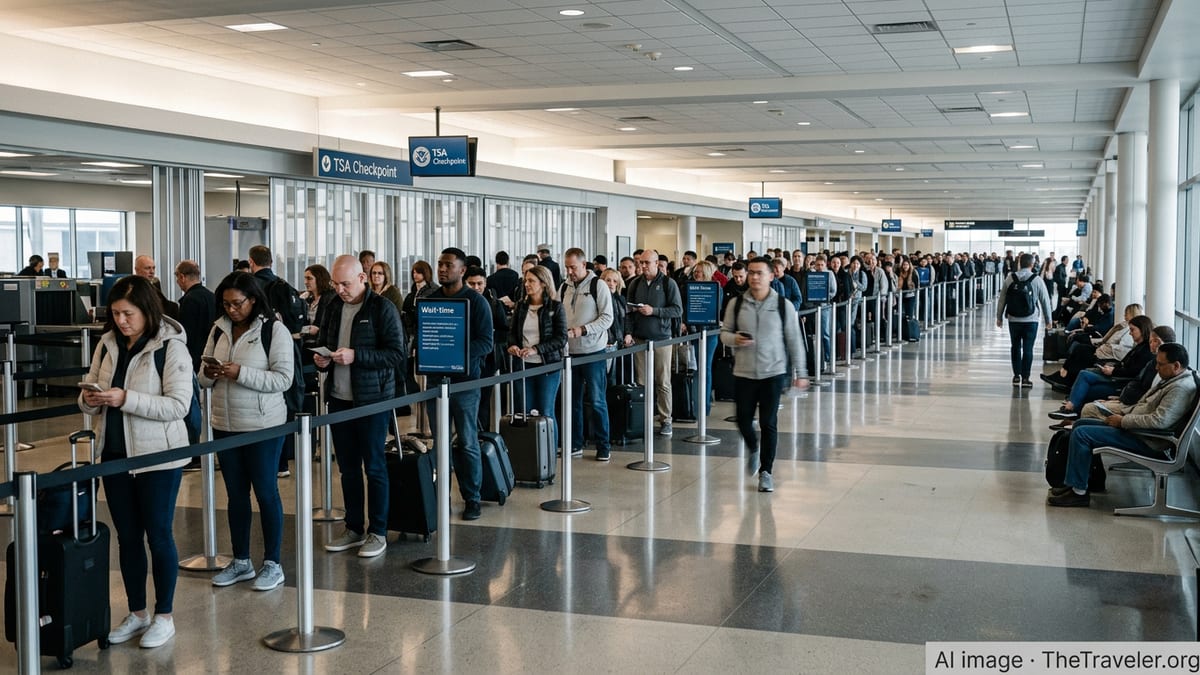
Viral Reminder Puts Peanut Butter Back in the Spotlight
The classification of peanut butter as a liquid for airport screening has existed for years, but it surged back into public view after a 2023 exchange on social media in which a traveler described having a jar confiscated at security. The incident prompted the TSA’s official account to respond with a graphic explaining that a liquid has no fixed shape and takes the shape of its container, explicitly placing peanut butter in the same category as liquids, gels and creams under the 3.4 ounce rule.
Coverage of the exchange and its aftermath shows that the policy is not limited to peanut butter alone. Reports from outlets such as CBS News, WTOP and The Independent highlight that the TSA applies the same logic to other spreadable foods, including nut butters, cheese dips and certain dessert toppings, all of which must meet standard liquid restrictions in carry on bags or be checked instead.
Although the enforcement is not new, the renewed attention has surprised occasional travelers who assumed that thicker foods in jars counted as solids. Online discussions and travel forums continue to reference the peanut butter example as a shorthand for the broader class of items that can be spread, pumped or poured and therefore fall under liquid rules.
How TSA Rules Treat Spreads, Sauces and Creamy Foods
Publicly available TSA guidance describes the liquids rule for carry on bags using the familiar 3-1-1 framework: containers must hold 3.4 ounces or 100 milliliters or less, all containers must fit inside a single quart sized clear bag, and each passenger may bring only one such bag. Travel and aviation safety resources summarizing the rule note that it applies to liquids, aerosols, gels, creams and pastes in equal measure, regardless of whether they are toiletries or food products.
Travel advisories and consumer coverage make clear that the agency defines liquids functionally rather than by marketing label. Peanut butter, yogurt, hummus, soft cheese spreads, ranch dressing, chocolate and hazelnut spreads and many dips are grouped together because they can be easily spread or poured and do not hold their shape outside a container. Guides from travel publications point out that these items may be brought in carry on bags only in small containers within the liquid allowance, while larger jars must go in checked luggage or be discarded at the checkpoint.
Importantly, reports indicate that the rule focuses on the container rather than how much product remains inside at screening. Even a mostly empty jar that is labeled for more than 3.4 ounces is often treated as oversize, since officers do not measure remaining volume during the security process. This approach is intended to create a clear and rapid standard, even if it catches some travelers by surprise.
Why a Sandwich Is Fine but a Jar Is Not
The renewed debate has also drawn attention to a difference that many travelers find counterintuitive: the same spread that is prohibited in a large jar is typically allowed when it is part of a prepared food item. Travel guidance based on TSA policy explains that solid food, such as sandwiches containing peanut butter or other spreads, normally passes through security without needing to follow liquid limits, provided no separate container of spread or sauce exceeds the size threshold.
According to travel safety explainers, the distinction lies in how the item appears and behaves during screening. A sealed jar of a spread or sauce is treated as a free flowing substance and screened under the liquids, gels and aerosols rules, while a finished sandwich is treated as a solid food, even if the same ingredients are inside. As a result, travelers who want a peanut butter snack on board are often advised to make sandwiches or portion spreadable foods into compliant travel size containers before heading to the airport.
This nuance has become a frequent topic on travel forums, where passengers trade stories about losing jars of nut butter at security while sailing through with snacks that contain the same ingredients. The examples illustrate how the liquids rule is applied in practice and why planning ahead can prevent costly or frustrating last minute disposals at the conveyor belt.
Implications for US Travelers as Holiday Traffic Builds
While the underlying regulations have been in place since mid 2000s, recent reminders about spreads and sauces come as US air travel volumes remain high and holiday periods approach. Travel industry analysis notes that increased passenger numbers tend to magnify small points of confusion, particularly around items like food that many travelers pack at the last minute without checking formal rules.
Consumer travel guides published in 2024 and 2025 continue to highlight peanut butter and similar products as common problem items at checkpoints, urging passengers to separate solid snacks from any food that can be scooped or poured. Suggestions include using single serve packets of nut butter or condiments that are clearly labeled under 3.4 ounces, or placing larger jars in checked baggage where liquid limits do not apply.
For travelers who rely on specific foods for medical, dietary or childcare reasons, publicly available TSA information indicates that special procedures exist for items such as baby formula, breast milk and medically necessary liquids in quantities greater than 3.4 ounces. These categories require declaration at screening and may involve additional checks, but standard snack spreads and sauces fall outside those exceptions and must comply with the regular 3-1-1 rule.
Key Takeaways for Packing Peanut Butter and Similar Items
The peanut butter debate ultimately underscores a broader lesson about packing for US flights. Whether an item is labeled a spread, dip, sauce or cream, what matters at the checkpoint is whether it behaves like a liquid or paste. If it can be spilled, sprayed, spread, pumped or poured, reports summarizing TSA practice indicate that it will be treated as part of the liquids category and must be packed accordingly.
Travel experts advise that passengers review TSA’s liquids guidance before each trip and pay special attention to food items that come in tubs, jars and squeeze bottles. Separating clearly solid snacks from any spreadable or creamy products, and keeping those products in small, labeled containers in a quart sized bag, can reduce delays and the risk of having items discarded.
For anyone attached to a particular brand of peanut butter or specialty sauce, the safest approach remains straightforward: place full size containers in checked baggage and carry only travel size portions through security. That strategy aligns with the current interpretation of US airport security rules and helps ensure that cherished comfort foods arrive at the destination along with their owners.
https://www.tsa.gov/travel/security-screening/liquids-rule
https://www.cbsnews.com/news/tsa-peanut-butter-liquid-carry-on-bag-sparking-debate-airplane/
https://www.cntraveler.com/story/can-you-bring-food-through-airport-security
https://wtop.com/travel/2023/03/tsa-says-peanut-butter-is-a-liquid-sparking-debate/