


More news on this day
Recent boat fires in and around Turkey have renewed attention on maritime safety for holidaymakers, particularly along the busy Aegean and Mediterranean coasts where excursion cruises are a staple of the tourist experience.
Get the latest news straight to your inbox!
What Recent Incidents Reveal About Onboard Fire Risks
Turkey’s coastal regions host thousands of daily passenger and excursion sailings in peak season, from wooden gulets and day-trip vessels to high-speed craft. While serious fires remain relatively rare compared with the volume of traffic, a series of regional incidents involving tourist and small commercial boats has underlined how quickly an onboard fire can escalate and how dependent passengers are on crew preparedness.
Regional reporting over the past two years has highlighted several patterns: fires frequently begin in engine compartments, fuel systems, or electrical installations; they can spread rapidly through older or heavily modified vessels; and in busy marinas, flames can jump from one boat to another if moorings are tight and response is delayed. These cases have reinforced international guidance that early detection, clear evacuation procedures, and well-maintained fire suppression equipment are critical in preventing casualties.
Safety bulletins from maritime insurers and accident investigators also point to human factors. Poorly supervised engine repairs, ad hoc fuel handling on deck, smoking near flammable materials, and overloading can all turn a manageable technical issue into a major fire. For visitors, this means that seemingly small warning signs such as strong fuel smells, exposed wiring, or crew working on engines at the dock just before departure should not be ignored.
Although many incidents end without loss of life thanks to fast intervention by nearby boats and coastal rescue services, they can still result in severe burns, smoke inhalation, and the loss of personal belongings. Travelers who understand the basic risk profile of tourist boats are better able to recognize unsafe conditions before stepping aboard.
How Turkish Rules and Port Controls Aim to Protect Passengers
Turkey’s tourism-dependent ports are subject to national maritime regulations that cover vessel registration, safety equipment, crew qualifications, and passenger capacity. Tourist and excursion operators are expected to comply with international standards for life-saving appliances, firefighting gear, and emergency procedures, particularly in busy hubs such as Istanbul, Bodrum, Marmaris, Antalya, and Izmir.
Publicly available information from coastal safety and harbor authorities indicates that local patrol boats, rescue units, and port state control inspectors regularly respond to fires on small commercial craft and intervene in mechanical incidents before they escalate. These reports often describe coordinated responses involving firefighting from the sea, towing burning vessels away from crowded marinas, and evacuating passengers to nearby piers or other boats.
However, enforcement can be uneven, especially in smaller harbors and informal departure points used for short sightseeing trips, private charters, or mixed-use fishing and passenger boats. Some vessels may be older, heavily modified, or operating seasonally with thin margins, all of which can put pressure on maintenance budgets and crew training. This variation in standards means tourists cannot assume that every boat on offer meets the same safety level, even within a single resort town.
Travelers are therefore encouraged by many travel safety advisories and maritime experts to treat boat outings with the same caution they would apply to road transport: checking the condition of the vehicle, the professionalism of the operator, and the presence of visible safety equipment before deciding to board.
Practical Checks Tourists Can Make Before Boarding
While travelers cannot conduct a full technical inspection, several simple observations can help gauge whether a boat is likely operating to basic safety standards. One widely recommended step is to look for lifejackets that are accessible, sufficient in number, and sized for both adults and children. Equipment should not appear moldy, sun-bleached to the point of disintegration, or piled in a way that would be difficult to reach in an emergency.
The visible condition of the vessel also matters. A well-maintained deck, clearly marked exits, non-obstructed passageways, and tidy storage of fuel containers and cleaning chemicals suggest that the operator takes safety seriously. Strong diesel or gasoline odors, open containers of fuel near passengers, or clutter around the engine hatch can signal higher fire risk. Travelers may wish to reconsider boarding if they observe crew improvising repairs or running portable generators close to passenger areas.
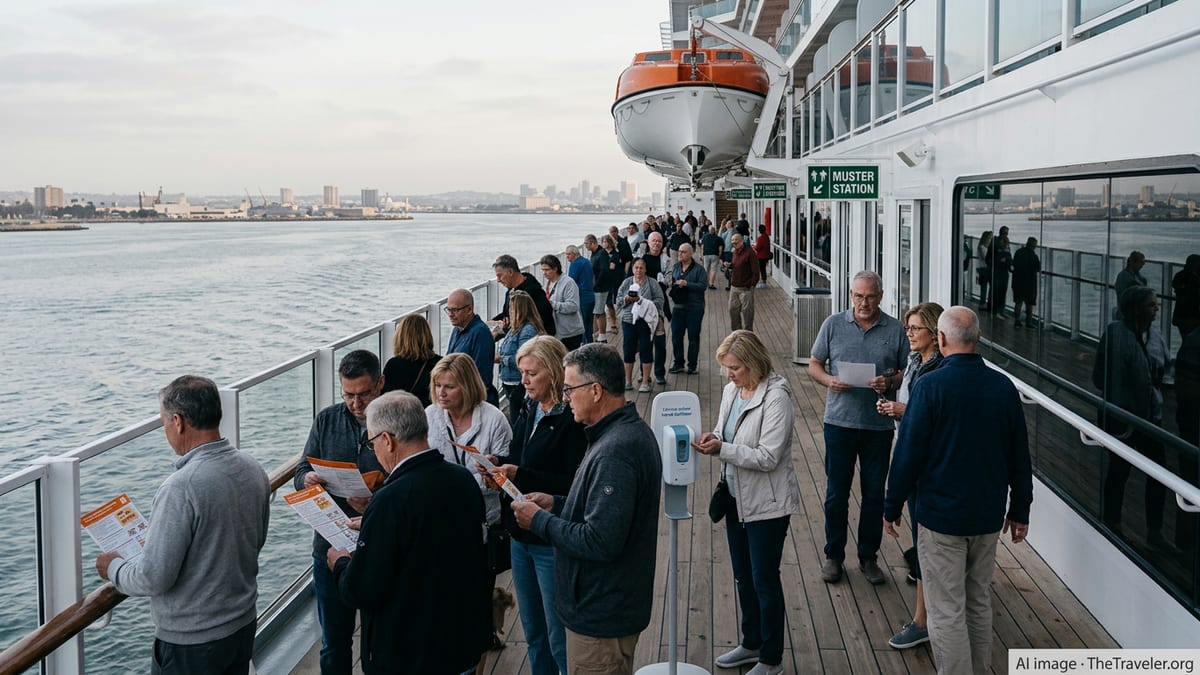
Another useful indicator is the pre-departure briefing. Even on short coastal trips, some operators outline basic procedures, point out lifejackets and life rafts, and explain what to do if there is smoke or fire. If crew appear disorganized, avoid questions about safety, or do not seem to have a shared plan, that can be a warning sign. Tourists are within their rights to ask simple questions about lifejacket locations, maximum passenger numbers, and whether there are fire extinguishers on board.
Reputation and licensing also play a role. Boats operating from official piers within major marinas are more likely to be subject to regular checks. Travelers can look for visible registration numbers, company branding, and posted capacity limits rather than boarding unmarked vessels soliciting customers away from main docks. Travel forums and recent online reviews may also provide clues about whether an operator has a history of safety problems or last-minute mechanical issues.
What To Do If Fire Breaks Out at Sea
In the unlikely event that a fire does ignite while a tourist boat is underway, time is a critical factor. Fire at sea can produce intense heat and thick, toxic smoke, especially from burning fuel, plastics, and fiberglass. Maritime safety materials emphasize remaining calm but acting quickly, following crew instructions, and moving away from the source of smoke or flames toward open deck space.
Passengers are generally advised to put on a lifejacket as soon as there are signs of serious trouble, even if the boat has not been ordered to abandon ship. A properly fitted lifejacket keeps a person afloat if they need to enter the water and can reduce panic. Travelers should avoid returning to cabins or enclosed spaces to retrieve belongings, as many fatalities in historical ship fires have been linked to delayed evacuation and disorientation in smoke-filled interiors.
If the crew begins firefighting efforts, passengers should stay clear of hoses, extinguishers, and fuel tanks unless specifically instructed to assist. Fire can cause sudden explosions in engine or fuel areas, so crowding near the source of the blaze is dangerous. Moving to a muster point or the bow or stern as directed can keep pathways clear for trained crew to act.
In coastal waters such as those off Turkey’s Aegean and Mediterranean resorts, nearby boats and rescue services often arrive quickly once an alarm is raised. Still, there may be a period during which passengers must remain on a partially burning or smoke-affected vessel, or in the water, until rescue craft can approach safely. Keeping the lifejacket secured, staying as a group when possible, and following signals from rescuers are all key to improving survival odds.
Planning Safer Sea Excursions Along Turkey’s Coasts
For many visitors, a day on the water in Turkey is a highlight of their trip, and the majority of outings end without incident. The recent attention on boat fires and other maritime emergencies provides an opportunity for travelers to make more informed choices rather than a reason to avoid the sea altogether.
Before arriving in a resort area, travelers can research typical excursion options, from party boats and sunset cruises to smaller sailing trips and private gulet charters. Some operators emphasize safety-oriented marketing, provide details of their registration and insurance, and mention crew qualifications. Travel insurance policies that explicitly cover maritime excursions and medical evacuation can also offer an additional layer of security.
Once on the ground, it can be useful to book through reputable agencies, hotel concierge desks, or established marina kiosks rather than informal street vendors. Asking how many passengers will be on board, how long the trip lasts, and what safety measures are in place can help filter out less responsible providers. Families with children, non-swimmers, or older travelers may want to favor daytime sailings on larger, more stable vessels that have shaded areas and clear railings.
Ultimately, the combination of regulatory oversight, operator professionalism, and traveler awareness determines how safe a tourist boat trip will be. By paying attention to vessel condition, crew behavior, and basic fire safety cues, visitors to Turkey’s coasts can continue to enjoy the country’s celebrated bays and islands while significantly reducing their exposure to maritime risk.