


More news on this day
Typhoon Dolphin has disrupted air, sea, and land travel across parts of East Asia, forcing mass flight cancellations in major Chinese and Japanese gateways and stranding thousands of travelers at the height of the summer holiday season.
Get the latest news straight to your inbox!
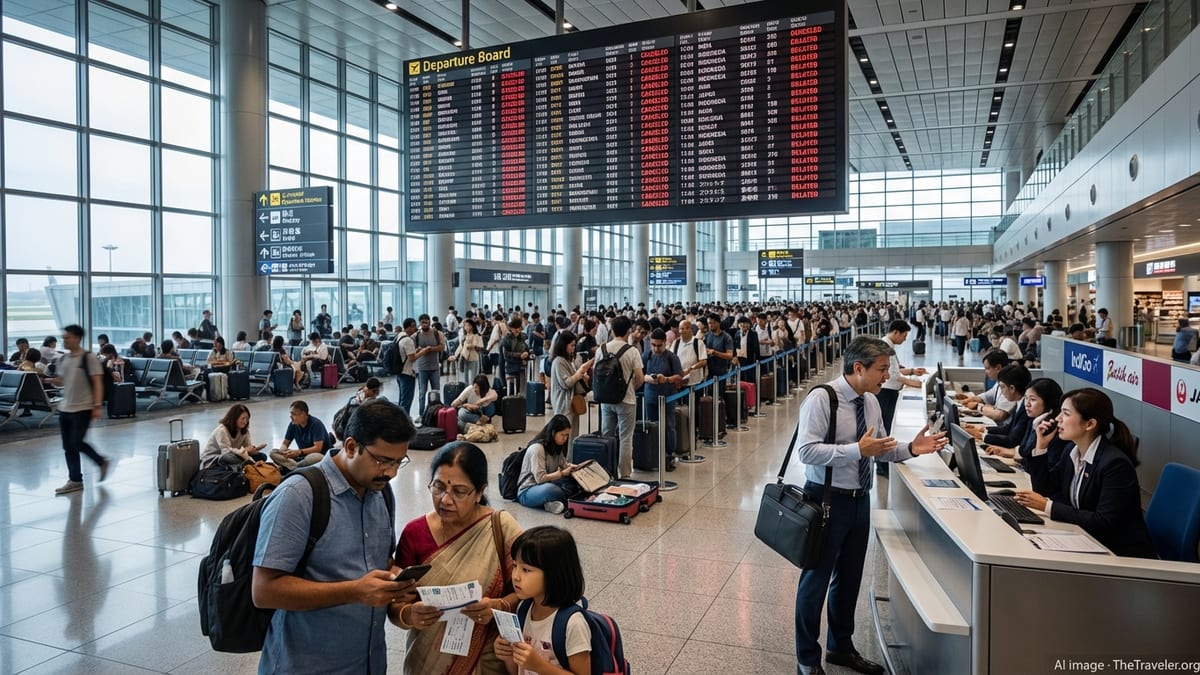
Flights Canceled Across Major Asian Hubs
Published coverage indicates that Typhoon Dolphin has driven extensive disruption across key aviation hubs in China and Japan, with Shanghai and Okinawa among the hardest hit. Reports from China highlight that the storm’s landfall along the eastern coast on Sunday led to the cancellation of more than a thousand flights at Shanghai’s two international airports, affecting both domestic and international routes.
In Japan, publicly available information shows that Naha Airport in Okinawa suspended operations as Dolphin swept through the southern islands late in the week, grounding all regular commercial flights in and out of the island prefecture. The shutdown of this key gateway rippled through airline schedules, with knock-on delays and missed connections for travelers heading to and from mainland Japan and onward to other parts of Asia.
Travel waiver notices and airline statements collected online show that several carriers serving the Western Pacific have activated flexible rebooking policies for passengers holding tickets on affected dates. These measures generally allow one-time changes without additional fees within a defined travel window, but availability depends on remaining seat capacity on alternative services once operations resume.
While some airports farther from the core of the storm have remained open, operational adjustments such as reduced schedules, reroutings, and weather-related holding patterns have added to delays. Aviation analysts note that the combination of precautionary cancellations and airspace congestion typically prolongs disruption even after weather conditions start to improve.
Ferries, Cruises, and Island Links Temporarily Suspended
The reach of Typhoon Dolphin has extended well beyond aviation. Regional authorities and operators in coastal China, the Ryukyu Islands, and other exposed archipelagos have ordered the suspension of most passenger ferries and coastal cruise services in recent days. According to regional travel and tourism updates, Zhejiang province in eastern China halted ferries and water-based sightseeing operations over the weekend as the storm approached land.
In Japan’s island chains, local advisories and traveler reports indicate that inter-island ferry routes were shut down or significantly curtailed as seas became too rough for safe crossings. On popular resort islands in Okinawa Prefecture, the combination of grounded flights and halted ferries has temporarily isolated some communities, leaving visitors reliant on local accommodations until transport links can be safely restored.
These maritime suspensions are a routine safety measure during strong typhoons, but they can be especially disruptive during peak holiday periods when ferries and small commuter vessels are often running at or near full capacity. Once conditions ease, port authorities customarily conduct inspections of harbor facilities and navigation channels before clearing operators to restart services, which can delay the full restoration of normal schedules.
Industry observers note that cruise itineraries in the East China Sea and Philippine Sea have also been reshaped around Dolphin’s track. Ships that had been scheduled to call at ports in affected regions have been rerouted, shortened, or delayed to avoid the worst of the wind and waves, adding another layer of complexity for travelers on multi-country voyages.
Tourism Destinations Close Attractions and Advise Trip Changes
The storm has arrived during one of the busiest periods for domestic tourism in both China and Japan. Regional media and destination bulletins show that coastal tourist attractions in Zhejiang and neighboring provinces closed over the weekend, including beach areas, scenic islands, and waterfront parks. Organized outdoor excursions and water sports have been suspended, and some inland attractions have reduced hours due to heavy rain and high winds.
Local travel advisories from Okinawa recommend that visitors review their flight and hotel arrangements, with suggestions to extend stays if departure dates fall within the core of the storm’s impact window. Public messaging emphasizes that even as skies clear, lingering power outages, transport bottlenecks, and supply delays may affect hotel operations, restaurants, and tour providers for several days.
Travel forums and social media posts from affected areas describe visitors sheltering in hotels or guesthouses, with many planning last-minute itinerary changes to avoid additional island hops or coastal destinations later in their trips. Some travelers are opting to reroute via less affected hubs on the Japanese mainland or to postpone onward journeys to regions expected to see deteriorating conditions as Dolphin’s remnants move inland.
Tourism bodies in both countries are urging travelers to prioritize safety and to follow instructions published by local governments and transport operators. While many popular destinations expect to reopen quickly once conditions stabilize, beach-focused and marine activities are likely to remain restricted until seas subside.
Knock-On Effects for International Itineraries
Because Shanghai and Okinawa serve as key connection points for wider Asia-Pacific travel, Typhoon Dolphin’s impact is being felt far beyond its immediate landfall zone. International itineraries linking North America, Europe, and Southeast Asia through Chinese hubs are experiencing missed connections and forced overnight stays as aircraft and crew are repositioned.
Airline travel waivers shared through public channels indicate that some long-haul carriers are allowing passengers booked through affected gateways to rebook via alternative hubs where capacity permits. However, the concentration of demand on a limited number of replacement flights has left some travelers waiting days to secure new seats, especially on popular transpacific routes.
Corporate travel managers and tour operators tracking the disruption report that group itineraries are particularly vulnerable, as re-accommodating large parties on new flights or ferries is difficult amidst constrained availability. Business travelers with time-sensitive meetings are having to adjust schedules or switch to virtual formats, while package tourists may see shortened stays at downstream destinations.
Analysts who study the effects of extreme weather on air transport note that disruptions often persist after a storm exits the region. Aircraft that were unable to reach their scheduled locations must be repositioned, maintenance checks can be delayed, and crew duty limits may require additional cancellations, all of which can compound delays well into the following week.
What Travelers in the Region Should Expect Next
As of Sunday, Typhoon Dolphin is weakening as it continues inland after landfall along China’s eastern seaboard, but forecasters and weather monitoring services still highlight the risk of heavy rainfall, flooding, and landslides in its path. Even if wind speeds diminish, travel conditions can remain challenging due to saturated ground, damaged infrastructure, and lingering localized storms.
Industry guidance and prior experience with major typhoons in the Western Pacific suggest that airlines will restore operations gradually, prioritizing trunk routes between major cities before fully reinstating secondary links and leisure-oriented services. Some low-cost and regional carriers may take longer to return to normal schedules, particularly on thinner routes where aircraft rotations have been heavily disrupted.
Travelers currently in affected regions are being encouraged through airline notices and tourism advisories to monitor flight status frequently, keep contact details updated with carriers, and maintain flexible plans in case of further short-notice changes. Those yet to depart for trips that include coastal China, Okinawa, or nearby islands over the coming days may wish to consider alternative routings or dates if their itineraries allow.
While Typhoon Dolphin is expected to lose strength as it moves farther inland, its broad footprint across busy air and sea corridors underlines how vulnerable Asia’s peak-season travel networks remain to powerful tropical systems. For many travelers, the storm is serving as a reminder to factor seasonal typhoon risks into future summer travel planning throughout the Western Pacific.