


More news on this day
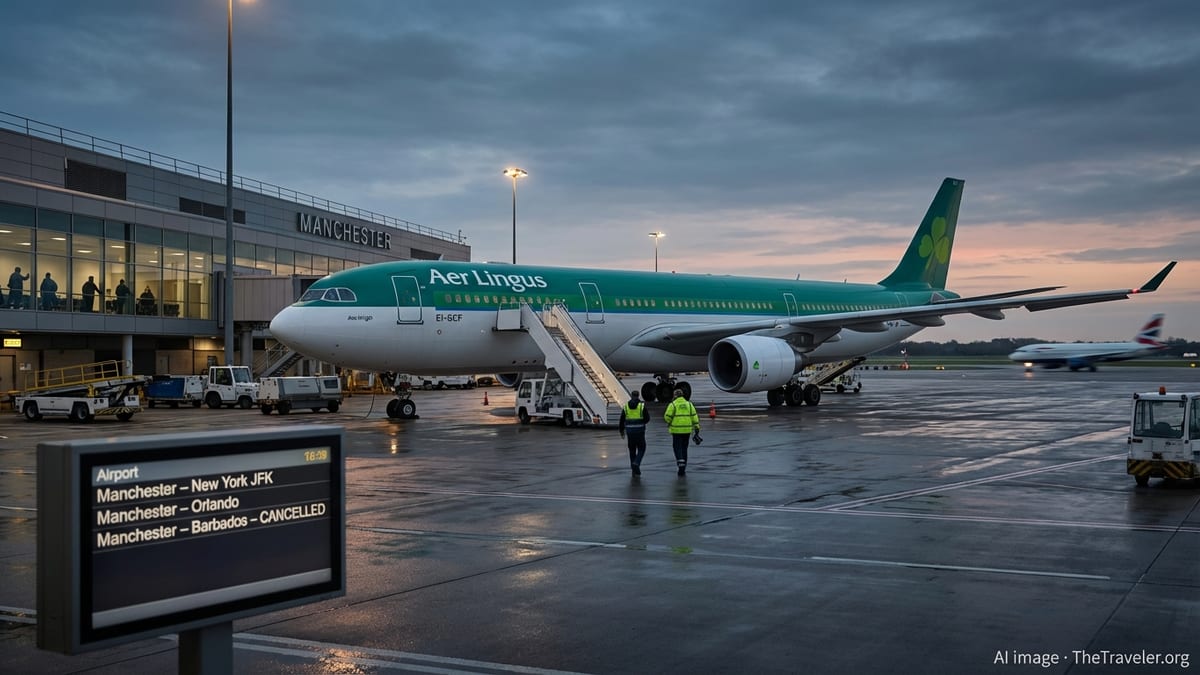
Passengers flying from Manchester Airport on June 11 and 12 have faced a new wave of delays affecting easyJet, Jet2, Ryanair and several other airlines, as pressure on the airport’s main terminals coincides with the start of the busy summer getaway period.
Get the latest news straight to your inbox!
Short‑haul departures see mounting delays
Short‑haul routes from Manchester to popular European destinations have been among the hardest hit, with publicly available flight‑tracking data showing a series of late departures across Thursday 11 June and into Friday 12 June. Services operated by easyJet out of Terminal 2, including flights to Alicante and Berlin, departed significantly behind schedule, contributing to long waits at departure gates and late‑night arrivals at Mediterranean resorts.
Jet2 operations from Terminal 2 have also encountered disruption, with performance statistics indicating average delays on key leisure routes and individual flights running well beyond their planned departure times. For many passengers, this has meant extended time on board aircraft awaiting take‑off slots or crowded gate areas as boarding was repeatedly pushed back.
Ryanair flights from the airport’s dedicated low‑cost Terminal 3 have not been immune, with data for services to destinations such as Marrakech and other sun routes showing departure times slipping from their programmed schedules. While many of these flights have eventually operated, the combination of late boardings and missed connections has led to trip‑planning headaches for travelers trying to make onward journeys.
Although the majority of services have still operated on the day, the pattern of moderate to severe delays across multiple short‑haul carriers has underlined how quickly congestion can build at one of the United Kingdom’s busiest regional hubs once punctuality starts to deteriorate.
Operational strain at a busy regional hub
Manchester Airport handles tens of millions of passengers each year and serves as a key base for easyJet, Jet2 and Ryanair, alongside major network airlines and long‑haul operators. Recent terminal changes, with most airlines now concentrated in the expanded Terminal 2 and Ryanair operating from the rebranded Terminal 3, have focused traffic flows through fewer, larger facilities that are heavily used at peak times.
Operational performance reports released by Manchester Airports Group highlight the scale of pressure on the schedule, with thousands of delay incidents recorded across airlines operating from the airport in recent months. These reports show that delays at Manchester are typically a mix of air traffic control restrictions, airline‑related issues, ground handling constraints and reactionary knock‑on effects when earlier flights run late.
Industry data suggests that when a morning wave of departures is disrupted, the impact can quickly cascade into the afternoon and evening, particularly on high‑frequency leisure routes served by easyJet, Jet2 and Ryanair. Aircraft that arrive late from one destination can depart late to the next, gradually eroding timetable resilience as the day progresses.
Manchester’s role as a major holiday gateway for northern England and surrounding regions means any sustained dip in punctuality affects a wide catchment of travelers. Families heading for school‑holiday breaks and weekend trips are especially exposed when timetables slip by several hours, as the scope to rebook or reroute at short notice is limited on popular services.
Fuel, airspace and staffing pressures feed disruption
The latest disruption at Manchester comes against a backdrop of wider operational challenges affecting European aviation this summer. Travel industry analysis has pointed to intermittent jet fuel supply issues at some UK airports and ongoing staffing constraints across ground handling, security and air traffic control, all of which can contribute to rolling delays when conditions tighten.
Reports focusing on low‑cost carriers including easyJet and Ryanair have highlighted how even modest shifts in factors such as fuel availability or airspace restrictions can force aircraft to take longer routings, add refuelling stops or operate with reduced turnaround margins. In a densely scheduled network, those extra minutes often translate into late departures down the line.
At Manchester, which already manages a concentrated peak of early‑morning and late‑afternoon leisure flights, these external pressures can interact with local bottlenecks at check‑in, security or stands. Publicly available performance data indicates that airport‑related causes consistently account for a significant proportion of recorded delays alongside airline and air traffic issues.
Observers note that the low‑cost business model used by airlines such as easyJet, Jet2 and Ryanair, built around rapid turnarounds and high aircraft utilisation, leaves relatively little slack in the system. When multiple services are disrupted simultaneously, this can quickly manifest as queues stretching through security, packed departure lounges and last‑minute gate changes as operators attempt to recover their schedules.
What passengers on easyJet, Jet2 and Ryanair are experiencing
For travelers, the most immediate consequence of Manchester’s current delays has been a rising level of uncertainty on departure day. Passengers report receiving late‑night or early‑morning notifications of revised schedules, followed by further changes once they arrive at the terminal. Some flights have boarded on time only to remain on the ground awaiting take‑off clearance, extending total journey times well beyond what is advertised at booking.
Holidaymakers flying with easyJet and Jet2 from Terminal 2 have described crowded check‑in and bag‑drop areas during the morning peak, with staff working to move passengers through as quickly as possible against a backdrop of sliding departure boards. Families with young children have been particularly affected where flights have faced multi‑hour delays, pushing departures toward late evening or overnight slots.
Ryanair customers using Terminal 3 have reported a mix of relatively punctual services and others departing much later than planned, reflecting the uneven nature of disruption when air traffic and operational factors shift throughout the day. For some, the experience has included tight connections at arrival airports or the loss of the first night of accommodation when flights have touched down after midnight.
Despite the frustrations, most flights have ultimately operated, and there is no indication of a broad pattern of mass cancellations similar to those seen during severe weather or major technical incidents in past years. However, the sense of unpredictability at Manchester has encouraged many travelers to revise their plans and arrive earlier at the airport or build extra slack into same‑day connections.
Advice for travelers flying through Manchester in the coming days
With the peak summer season only just beginning, travel experts expect Manchester Airport to remain under pressure, particularly during early‑morning and weekend periods when leisure departures with easyJet, Jet2 and Ryanair are most heavily loaded. Passengers booked to travel over the next few days are being urged by airlines and airport advisories to check their flight status frequently before setting off.
Consumer guidance suggests that travelers should allow extra time for check‑in and security, especially if travelling with hold luggage or young children. Arriving well ahead of the airline’s recommended minimum can provide a buffer if queues build unexpectedly or if there are last‑minute changes to departure gates or boarding times.
Those facing significant delays are encouraged to keep records of departure and arrival times, as well as receipts for any essential expenses incurred while waiting, in case they decide to pursue claims under applicable compensation or assistance rules at a later stage. Travel insurance policies may also provide additional support where disruption leads to missed connections, lost hotel nights or other knock‑on costs.
While there is no clear sign that the most recent delays will evolve into a prolonged operational crisis, the pattern of disruption at Manchester this week illustrates how quickly conditions can deteriorate when multiple pressure points align. For now, passengers on easyJet, Jet2, Ryanair and other carriers using the airport may find that flexibility, extra time and close attention to live updates are the best tools for navigating an unsettled start to the summer travel season.