


More news on this day
The U.S. Department of State has revised its travel advisory for Italy for the first time in more than a year, keeping the country at Level 2 but refreshing language on terrorism risks and petty crime as American travel demand to the destination remains strong.
Get the latest news straight to your inbox!
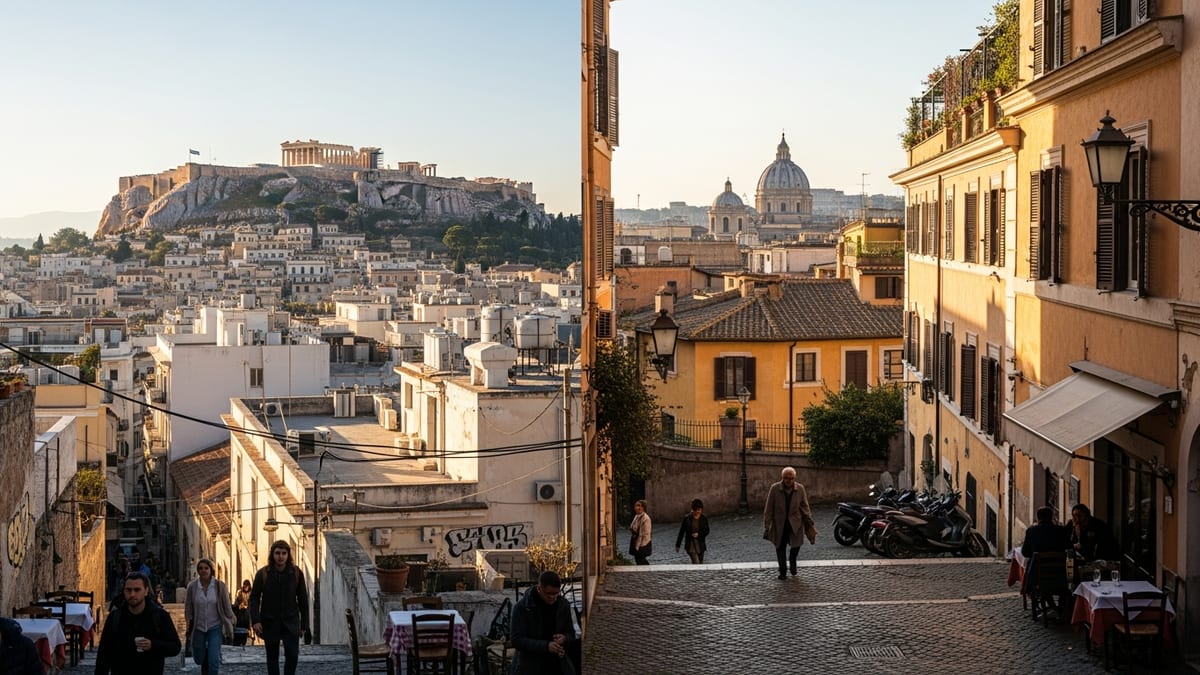
Latest Advisory Keeps Italy at Level 2: Exercise Increased Caution
According to publicly available information on the State Department’s travel advisory portal, Italy remains classified at Level 2, which instructs U.S. travelers to “exercise increased caution.” The updated advisory, dated September 10, 2026, cites terrorism as the principal risk indicator for the country and maintains nationwide guidance rather than targeting specific regions.
The advisory summary notes an ongoing risk of terrorist violence, including the potential for attacks and other hostile activity in urban areas and locations that attract visitors. Government resources explain that a Level 2 advisory signals heightened risk compared with routine conditions, but does not amount to a recommendation against travel. Instead, it encourages travelers to stay alert, review destination-specific security information, and be prepared for changes in the local environment.
Italy’s listing appears alongside a cluster of other popular destinations now flagged at Level 2 on the State Department’s global advisory list, where security conditions are reassessed regularly. Third party tracking services that monitor official advisories report that the Italy notice was last substantively revised in 2025, meaning the September 2026 update is the first in more than a year for this high-traffic European destination.
Insurance and risk monitoring platforms that aggregate government advisories continue to classify Italy at 2 out of 4 on a typical risk scale, mirroring the official U.S. level. Those services describe Levels 1 and 2 as precautionary categories that focus on risk awareness rather than travel restrictions, a framing that aligns with current U.S. guidance for Italy.
Why Italy Remains Under Heightened Caution
Background documents associated with the Italy advisory stress that terrorism remains the central security concern. Publicly available summaries highlight the possibility of attacks with little or no warning, particularly in crowded places such as tourist sites, transportation hubs, shopping districts, entertainment venues, and major public events. The advisory encourages travelers to remain aware of their surroundings, follow local security instructions, and review reporting on terrorism trends before and during a trip.
Compiled analyses of the update distributed through relief and security monitoring feeds reflect the same emphasis. These summaries point to the continued risk of terrorist violence as the reason Italy stays at Level 2, even in the absence of specific, time-limited incidents. The guidance is broadly consistent with advisories for several other Western European destinations where the overall threat environment is considered elevated but manageable for most visitors who take basic precautions.
The Italy advisory also underscores the prevalence of opportunistic crime, particularly in areas frequented by tourists and on public transportation networks. The text notes that crimes such as pickpocketing, purse snatching, and car break-ins are common in busy urban zones and at major transit points. Visitors are urged to safeguard valuables, avoid displaying expensive items, and remain attentive in crowded spaces such as train stations and popular landmarks.
Independent safety indexes that compile crime statistics and advisory data generally rate Italy as comparatively safe for international travel, while still calling out petty theft as the most common issue affecting visitors. Recent assessments place Italy in a relatively favorable position within Europe, with violent crime against tourists described as less frequent than nonviolent property crime.
How the New Notice Compares With Previous Guidance
Before the September 2026 update, the Italy advisory had not seen a significant revision in over a year, even as many other destinations underwent more frequent changes. Archived entries and secondary trackers show that Italy’s status has remained at Level 2 for an extended period, with terrorism cited consistently as the main risk factor. The latest notice maintains that tier, but updates language and supporting detail to reflect current assessments.
Travel advisory reference materials from the State Department, as well as explanatory pages hosted by U.S. government portals, describe Level 2 as a mid-range category that signals elevated risk compared with Level 1. The system is structured across four tiers, ranging from Level 1, which advises normal precautions, up to Level 4, which indicates a significantly higher likelihood of life-threatening risks and urges travelers not to go or to depart when it is safe to do so. Italy’s continued placement at Level 2 situates it within the more common global range for popular tourist destinations.
Security monitoring services that cross-check U.S. advisories against guidance from other governments note that Italy’s risk profile remains broadly aligned across several countries. In many cases, foreign ministries and consular agencies in partner nations signal similar concerns about terrorism and opportunistic crime, while still considering Italy suitable for leisure and business travel.
The timing of the new advisory brings Italy into line with a wave of updates issued for multiple destinations in late August and early September 2026. Aggregated feeds that track U.S. travel advisories show adjustments for countries across Europe, the Middle East, and the Caribbean during this period, suggesting a wider seasonal or security-driven review rather than a single, isolated change targeting Italy alone.
What U.S. Travelers Should Know Before Visiting Italy
Public guidance accompanying the advisory encourages travelers to Italy to take several practical steps ahead of departure. U.S. government travel pages recommend reviewing the full text of the advisory, enrolling in the Smart Traveler Enrollment Program so that security updates can be delivered by email, and confirming that travel insurance and medical coverage are valid overseas. Visitors are also advised to keep copies of important documents, know how to contact local emergency services, and identify the nearest U.S. embassy or consulate.
General advisory handouts explain that conditions can shift quickly in any destination at Level 2, even when day-to-day life appears routine. Travelers are therefore encouraged to monitor local news, be conscious of their surroundings in crowded spaces, and maintain flexible itineraries when possible. Practical suggestions include arriving early at transport hubs, allowing extra time for security screenings, and following local instructions at events or large gatherings.
Risk-focused travel insurance sites that mirror official U.S. ratings reiterate that a Level 2 classification still permits normal tourism and business activity, but they emphasize the value of trip protection and evacuation coverage in case of unforeseen incidents. These resources point out that advisory levels are checked daily against primary government sources, which means travelers planning trips months in advance should re-confirm conditions closer to their departure date.
Online safety dashboards that consolidate government advisories from the United States, Canada, the United Kingdom, and other partners likewise stress that Italy remains open and accessible to international visitors. At the same time, they highlight the updated U.S. advisory date and urge travelers to consider it alongside other factors such as crowding in peak season, localized demonstrations, and the evolving security climate in Europe more broadly.
Impact on Demand and Planning for 2026 and Beyond
The refresh of the Italy advisory arrives at a moment when American travel to Europe remains strong. Industry monitoring sites note that Italy continues to rank among the top long haul destinations for U.S. travelers, buoyed by cultural tourism, culinary travel, and cruise itineraries. The continuation of a Level 2 rating rather than a higher tier suggests that, while risks are present, officials still regard travel as feasible with appropriate caution.
Travel analysts who track advisory changes generally observe that Level 2 updates tend to influence traveler behavior less dramatically than shifts to Level 3 or Level 4. Instead of prompting broad cancellations, Level 2 notices often lead to adjustments in planning, such as spending more time researching neighborhoods, selecting accommodations with stronger security features, or choosing guided activities in unfamiliar areas.
Platforms that specialize in explaining government advisories to consumers emphasize that a Level 2 rating for Italy should be viewed as a call to plan carefully rather than an instruction to stay away. Suggested steps include verifying cancellation policies, documenting valuables for insurance purposes, and saving access to official advisory pages in case further updates are issued during a trip.
With the Italy notice now brought up to date after more than a year, travelers have a refreshed baseline for evaluating 2026 and early 2027 trips. Experts in travel risk management expect advisory systems to remain dynamic, meaning that those heading to Italy will benefit from revisiting the official site and related advisory aggregators shortly before departure to verify that conditions and guidance have not changed.
U.S. Department of State – Travel Advisories
U.S. Department of State – Italy Travel Advisory