


More news on this day
Cruise passengers booking shore excursions face a high-stakes timing risk: miscalculating the return to port, particularly on independently arranged tours, can leave travelers unexpectedly stranded in a foreign country with significant bills to get home or rejoin the ship.
Get the latest news straight to your inbox!
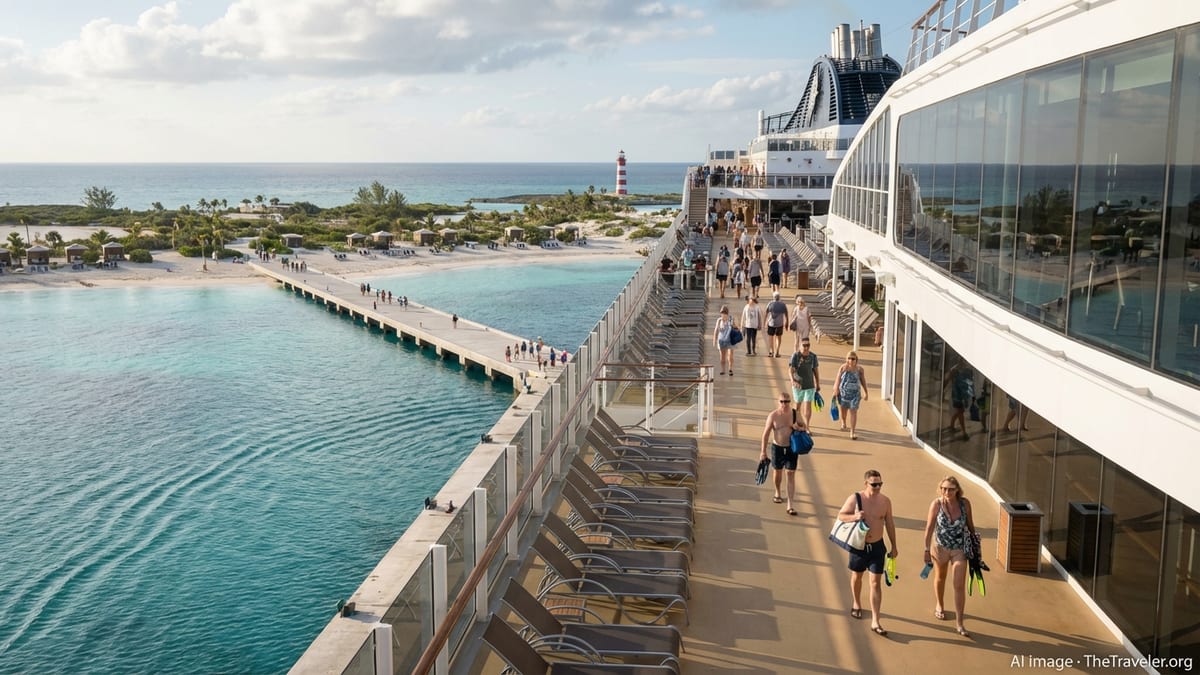
Ship-Sponsored Tours vs Independent Excursions
Shore excursions are a highlight of many cruises, giving travelers a chance to explore ports through organized tours or on their own. Industry guidance notes that guests typically choose between three options: excursions sold by the cruise line, activities arranged through third-party vendors, or fully independent sightseeing without a guide. Each choice carries different protections if something goes wrong with timing or logistics.
Publicly available information from major cruise brands indicates that tours sold by the cruise line generally come with a key assurance. If a ship-sponsored excursion runs late because of traffic, weather, or operational delays, the ship will either wait for the group or the cruise company will arrange transport at its expense to reunite passengers with the vessel at the next port. Policy language from Royal Caribbean, for example, describes a guarantee that the ship will wait for its own tours when delays occur, with contingency arrangements if waiting is impossible.
That protection does not extend to passengers who explore independently or book through outside operators without a formal agreement linked to the cruise line. Travel information sites and cruise contracts emphasize that when guests leave the cruise bubble and make their own arrangements ashore, the responsibility to be back before all-aboard time sits firmly with the traveler, not the ship.
When Independent Shore Plans Go Wrong
Recent advice from cruise specialists and travel insurance resources underscores a recurring theme: the ship is not required to wait for passengers delayed on independent tours, even when the delay is caused by traffic jams, breakdowns, or other unforeseen events. Guidance from consumer-focused cruise sites describes cases where ships departed on schedule while independently touring passengers were still en route back to the pier.
Legal and consumer advocacy documents reviewed for this report describe how cruise lines treat most shore operators as independent contractors. Ticket contracts and shore excursion terms clarify that when travelers choose a vendor that is not sold or endorsed through the cruise line, any missed departure, added expenses, or logistical challenges are usually the passenger’s problem to solve. One Senate hearing transcript on cruise safety notes that ships hold departure for their own excursions but typically do not for independent tours.
Third-party excursion providers have responded by marketing “back to ship” guarantees or similar assurances. Companies promoted in cruise forums and travel agency materials promise to cover transportation, accommodation, and sometimes additional compensation if their customers miss a ship departure due to a delay on their tour. These guarantees, however, vary in scope and conditions, and are contractual promises from the tour company, not from the cruise line operating the vessel.
What Actually Happens If the Ship Leaves Without You
Travel advisories and cruise guidance outline a clear chain of events when passengers fail to return to the ship in time. If travelers are not back by all-aboard, the ship will typically sail on its published schedule. Port agents, working on behalf of the cruise company, then become a critical point of contact for those left behind.
Coverage from cruise travel sites explains that port agents help stranded guests understand their options, including how to meet the ship at its next port of call or arrange flights back home. Reports indicate that ship staff may, in some cases, transfer passports or vital documents to the port agent if it is clear that a passenger has not returned, though experts caution that travelers should never rely on this and should always carry their own identification ashore.
Once left behind, passengers face practical and financial hurdles. Fodor’s and other travel outlets note that guests are responsible for finding last-minute transportation, securing accommodation if required, and navigating immigration and border controls in a foreign jurisdiction. Cruise contracts and consumer advice consistently state that unless the delay stems from a cruise line-sold excursion or specific protected arrangements, those costs are borne by the traveler.
The Role of Timing, Documentation, and Insurance
One complicating factor for shore days is the difference between ship time and local time. Port guides and cruise education materials stress that ships may maintain their own time zone distinct from the port, and that departure decisions are based on ship time, not the local clock. Cruise planning resources therefore advise passengers to set watches and phones to ship time and to plan to be back at least one to two hours before all-aboard, especially when touring independently.
Government travel resources from the U.S. Department of State emphasize the importance of carrying valid identification and understanding local entry rules, including visa and immigration requirements, for every port visited. Safety advisories remind cruise travelers that once they step off the gangway, they are subject to local laws and procedures, and may need to deal with local authorities directly if they encounter problems or miss their ship.
Independent analysts and financial guidance sites highlight the role of comprehensive travel insurance in these scenarios. Some policies, according to consumer finance information, may cover additional transport and lodging if a traveler misses a flight, train, or ship for specific covered reasons, such as documented mechanical breakdowns or severe delays. However, coverage is policy-specific, and experts recommend reading the fine print to see whether missed cruise departures from shore excursions are included.
How Cruise Lines Define Passenger Responsibility
Passenger ticket contracts and excursion terms issued by major cruise brands set out clear boundaries for liability. In Carnival’s Passenger Bill of Rights and related legal notices, for instance, guests are informed that they are financially responsible if they fail to board the ship before the scheduled departure time and that the company assumes no obligation for costs arising from missed departures tied to guest negligence.
Royal Caribbean’s excursion terms similarly explain that many third-party activities, including shore tours, are operated by independent contractors. The company’s policies state that it is not liable for injuries, losses, or delays linked to those operators and reiterate that passengers assume responsibility when they choose to participate in activities that are not directly managed by the cruise line. Comparable language appears across other major brands, framing most non-ship-sponsored activity ashore as “at your own risk.”
Cruise advice guides recommend that passengers planning independent excursions pay close attention to all-aboard times printed in daily newsletters and displayed at the gangway. Travelers are also urged to confirm return-to-ship plans in writing with any outside tour provider, including pickup location, buffer time before departure, and what assistance the operator offers if unexpected delays put the group behind schedule.
For travelers, the key takeaway from these documents and advisories is that one timing mistake during a shore excursion can quickly escalate into a complex and costly problem. Booking ship-sponsored tours, choosing reputable third-party operators with clear guarantees, and allowing generous time margins to return to port are presented in current guidance as the most reliable ways to avoid watching a cruise ship sail away without you.
Royal Caribbean shore excursion guarantee
Carnival Cruise Passenger Bill of Rights
Cruise Critic: Cruise shore excursions guide