


More news on this day
Passengers flying to and from the UAE are facing another spell of schedule disruption, with Emirates, Etihad Airways, Air Arabia and flydubai reporting delays and cancellations across key routes as Air France extends its suspension of Dubai flights amid continued regional tensions.
Get the latest news straight to your inbox!
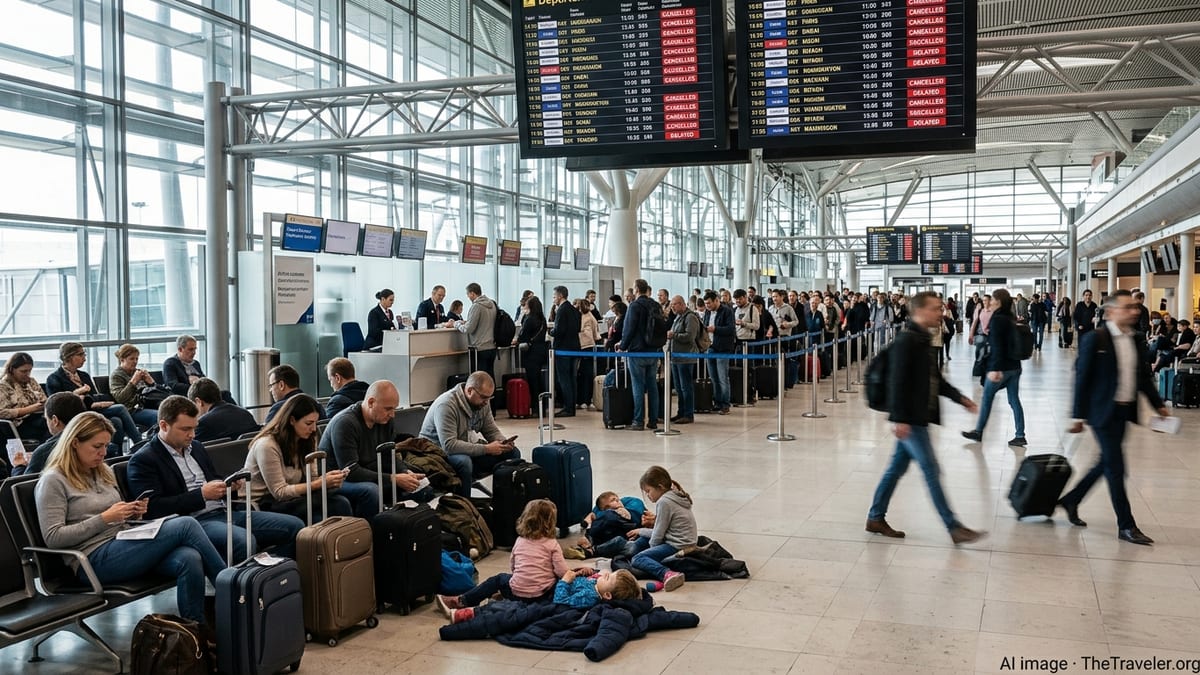
Regional tensions keep pressure on UAE flight schedules
Publicly available flight and travel advisories indicate that operations at Dubai International Airport and Abu Dhabi’s Zayed International Airport remain largely open, but airlines are running mixed schedules that combine normal operations with last minute delays and cancellations. Coverage from UAE-based outlets links the latest disruptions to renewed security concerns tied to the ongoing US Iran stand off and associated airspace restrictions affecting parts of the Gulf region.
Tracking of departures and arrivals on 3 and 4 September shows clusters of delayed and cancelled services involving Emirates, Etihad, flydubai and Air Arabia, particularly on routes that cross or skirt sensitive airspace. Reports also highlight longer flight times on some westbound services as carriers adjust routings to avoid certain flight information regions, adding to knock on congestion and turnaround challenges.
Despite the disruption, local carriers are maintaining most of their core networks from Dubai and Abu Dhabi. However, regional points such as Kuwait, Bahrain and selected cities in Saudi Arabia continue to see schedule changes, reflecting a pattern of rolling adjustments that has been in place since July.
Air France extends Dubai suspension as other foreign airlines reassess
International carriers remain more cautious about Gulf operations than UAE based airlines. According to recent travel advisories and media coverage, Air France has extended its suspension of Dubai services through at least 4 September, following earlier pauses introduced in July as security concerns intensified. Previous statements from the airline had set shorter suspension windows, indicating that the latest extension reflects a reassessment of near term risk.
Air France’s decision follows a broader trend among European and North American airlines, several of which have either temporarily halted or reduced services to Dubai, Tel Aviv and other regional hubs since the summer. Earlier reporting shows that Air France also suspended Riyadh and Beirut flights for varying periods, while other carriers such as Air Canada and KLM have pushed back their own Gulf resumptions or maintained partial suspensions.
While Dubai International Airport itself remains fully operational, the ongoing pause by Air France means passengers booked on its Dubai routes are being re accommodated or refunded. Travel industry analysis suggests that, in the short term, some displaced demand is transferring to Emirates and other regional airlines, adding to load pressures on already busy services at the start of the post summer travel period.
Emirates and Etihad maintain core networks amid selective cuts
Emirates and Etihad Airways continue to operate most long haul routes from Dubai and Abu Dhabi, but they are also managing targeted cancellations on select regional sectors. Recent reports detail how Emirates has kept Dubai Kuwait flights suspended for an extended period, even as it partially resumed Dubai Bahrain operations with a reduced schedule of one daily service. The airline has framed earlier Kuwait cancellations as operational decisions, with passengers offered rebooking options.
Etihad’s schedule shows a similar pattern of resilience on trunk routes combined with adjustments on shorter regional links. Coverage from July and August notes that Etihad extended cancellations on specific Kuwait services and has periodically trimmed frequencies to certain Middle Eastern destinations as demand, airspace availability and operational conditions fluctuated. More recent airport advisories from early September list Etihad among the airlines experiencing some of the heaviest delays into and out of Abu Dhabi, particularly on flights to Europe and Asia.
Analysts tracking schedule data say the strategy for the UAE’s two largest carriers is to preserve intercontinental connectivity while absorbing regional volatility with selective cancellations and retimings. Passengers connecting through Dubai and Abu Dhabi may therefore find that long haul sectors remain intact but feeder or onward legs in the Gulf can be more vulnerable to disruption at short notice.
Air Arabia and flydubai adjust regional operations
Budget carriers Air Arabia and flydubai, which rely heavily on short and medium haul routes around the Middle East, Caucasus, Central Asia and parts of Africa, are also adjusting networks in response to the shifting security picture. Reporting on late July and August operations indicates Air Arabia faced cancellations and delays on certain Kuwait services, with some flights initially listed as cancelled later reinstated as conditions allowed.
Flydubai has issued a series of operational and travel advisories through its website, noting that it is running a reduced schedule in parts of its network and warning that journey times may be longer because of temporary rerouting of some flight paths. Detailed airport advisories from early September list multiple flydubai arrivals affected by delays or cancellations, including services from cities such as Almaty, Bishkek, Moscow, Jeddah, Astana, Minsk, Addis Ababa, Damascus, Abha and Baghdad.
For consumers, these shifting patterns can translate into late gate changes, extended ground times and, in some cases, overnight rebooking if connecting flights are missed. Travel agents in the region report that passengers on low cost carriers are increasingly being advised to build in longer connection windows and to check flight status repeatedly in the 24 hours before departure.
What UAE based travelers should expect in the coming weeks
With the European Union Aviation Safety Agency extending its conflict zone information bulletin for parts of the Gulf region until at least 30 September, industry observers expect airlines to retain a cautious stance on scheduling over the next month. Publicly available summaries of the bulletin indicate that it covers the flight information regions of Bahrain, Kuwait, Qatar, the UAE and Oman, and warns of ongoing risks that could affect high altitude civil aviation.
As long as those advisories remain in place, airlines are likely to continue using longer routings and to keep additional buffers in their timetables, leaving less margin to recover from operational hiccups. This environment tends to produce rolling pockets of disruption even on days when headline news from the region is limited, as a single delayed arrival can cascade across multiple departures.
Travel experts recommend that passengers departing Dubai, Sharjah, Abu Dhabi or Ras Al Khaimah in the current period leave extra time for airport formalities and avoid tight self made connections between airlines. Many carriers, including Emirates, Etihad, Air Arabia and flydubai, are also urging customers through their public channels to complete online check in where possible, ensure contact details are up to date and monitor official airline apps or websites for the latest status information right up to the time of travel.
Gulf News flight cancellations and delays roundup
The National UAE travel advisory on airport delays