


More news on this day
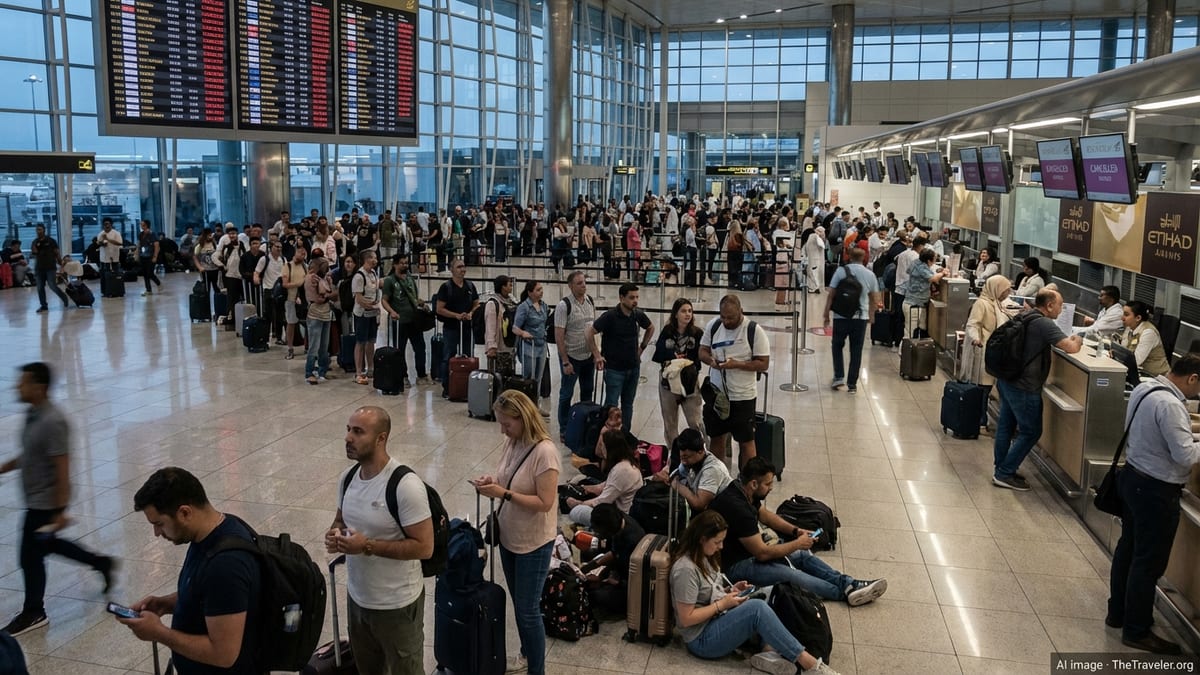
Passengers flying from the UAE on Sunday, September 6, are facing a new wave of disruption as rising geopolitical tensions and volcanic ash in Indonesia trigger delays and cancellations across key routes for Emirates, Etihad Airways, flydubai and Air Arabia.
Get the latest news straight to your inbox!
Mixed operations for UAE carriers amid shifting risk landscape
Published coverage indicates that UAE airlines are keeping most of their global networks running, even as they adjust schedules on select routes affected by regional tensions and weather events. Recent Gulf-based aviation reports describe a “mixed picture” of operating, delayed and cancelled services for Emirates, Etihad, flydubai and Air Arabia, with schedules subject to change at short notice as conditions evolve.
Emirates continues to operate an extensive network, with publicly available information showing services to more than 130 destinations worldwide. The airline’s flight status and disruption pages advise travelers to monitor their bookings closely, as flights may be retimed or re-routed in response to airspace restrictions and operational constraints. Passengers are urged via these channels to use online tools to confirm departure times before going to the airport.
Etihad Airways, flydubai and Air Arabia are following similar patterns, maintaining core schedules while adjusting individual flights where necessary. Regional media coverage notes that these carriers are prioritizing connectivity on key regional and long haul routes, even as some services to nearby hubs experience irregular operations linked to heightened geopolitical risk in the broader Middle East.
Indonesia volcanic ash forces Jakarta airport closure
Separate from the regional security backdrop, a volcanic ash cloud over Indonesia has created a fresh operational challenge for UAE carriers. According to airline advisories and regional news reports, the temporary closure of Jakarta’s Soekarno Hatta International Airport has led to cancellations and significant delays on services linking the UAE with the Indonesian capital.
Emirates’ latest disruption notices list multiple Dubai Jakarta flights affected on September 5 and 6. One Dubai to Jakarta rotation on September 6 has been cancelled, while at least two other services between the cities have been delayed as the airline adjusts to the closure and subsequent reopening of the airport. Guidance on the airline’s website indicates that impacted customers are being rebooked on later flights and are encouraged to keep contact details up to date in their booking profiles.
Coverage from UAE based media adds that Etihad Airways has also delayed flights between Abu Dhabi and Jakarta, with knock on effects for connecting passengers heading to other destinations in Southeast Asia and Australia. The same reports state that the disruption has affected thousands of travelers as carriers temporarily reroute or hold flights until conditions are confirmed safe by local aviation authorities in Indonesia.
Route specific delays and cancellations for Emirates, Etihad, flydubai and Air Arabia
Recent travel advisories compiled by Gulf based outlets outline route specific changes across the main UAE airlines. For Emirates, the most immediate impact on Sunday centers on the Dubai Jakarta corridor, where volcanic activity has forced schedule adjustments. The airline’s help pages highlight select flight numbers that are cancelled or delayed and recommend that passengers traveling in the coming days use the “Manage booking” and “Flight status” functions to confirm details.
Etihad’s network is experiencing similar pressure points. Published updates describe delayed rotations between Abu Dhabi and Jakarta and advise passengers transiting through the UAE hub to allow extra time and to monitor digital channels for rebooking information. While most of Etihad’s long haul network remains in operation, regional aviation coverage suggests that additional tactical adjustments are possible if airspace conditions or airport capacity change.
Low cost carriers flydubai and Air Arabia are also navigating irregular operations. Recent Gulf media reporting notes that both airlines have previously cut or retimed select services to regional destinations such as Kuwait and Bahrain during recent periods of heightened tension, while continuing to operate others. Operational update pages on airline websites reiterate that summer and early autumn schedules remain fluid, and that passengers should rely on real time status tools rather than printed itineraries.
US Iran tensions keep regional schedules under pressure
The latest reports on UAE aviation describe the current situation as an extension of earlier disruption linked to a renewed flare up in US Iran tensions. According to recent coverage, some international carriers continue to limit or suspend flights to the UAE and wider Gulf region, while local airlines maintain operations on selected routes using adjusted flight paths and additional planning margins.
Gulf based news outlets report that Emirates, Etihad, flydubai and Air Arabia are all closely tracking developments while coordinating schedules around any temporary restrictions on key air corridors. Flight durations on certain routes out of Dubai and Abu Dhabi may be slightly longer than usual where aircraft are routed to avoid sensitive airspace, and timetable changes may be implemented with relatively short lead times.
For travelers, this environment translates into a higher likelihood of last minute disruptions, even on flights that appear to be operating normally when first booked. Aviation observers quoted in regional coverage emphasize that the combination of geopolitical risk and weather related events such as volcanic ash can create rapidly changing conditions, prompting airlines to adjust departure times, routings or aircraft types on a day by day basis.
What travelers should do if their UAE flight is affected
Publicly available guidance from UAE airlines stresses the importance of proactive trip management during periods of disruption. Emirates, Etihad, flydubai and Air Arabia all advise customers to check their flight status online before leaving for the airport, as websites and mobile apps are typically updated first when schedule changes occur.
For passengers whose flights are cancelled or heavily delayed, airline disruption pages indicate that most will be rebooked automatically on the next available service on the same carrier. Travelers are generally encouraged to keep email addresses and mobile numbers current within their booking so that rebooking details and gate or timing changes can be communicated quickly.
Regional media coverage also recommends allowing additional time at the airport, particularly at Dubai International and Abu Dhabi’s Zayed International Airport, where security and check in queues can lengthen when multiple departures are rescheduled into similar time windows. Travelers with tight onward connections are advised to monitor itineraries closely and to review the latest transit guidance for their final destination, especially when traveling through Indonesia or other locations affected by volcanic activity.
As of Sunday afternoon in the UAE, airlines and airports continue to publish rolling updates on schedules, suggesting that while disruption remains significant on specific routes such as Jakarta, core Gulf and long haul operations are still largely intact for the main UAE carriers.
Gulf News: UAE flights status and Indonesia disruption