


More news on this day
Flights between the UAE and Jakarta are facing major disruption after volcanic ash from Indonesia’s Anak Krakatau led to the temporary closure of Soekarno-Hatta International Airport, prompting Emirates and Etihad to cancel or delay multiple services.
Get the latest news straight to your inbox!
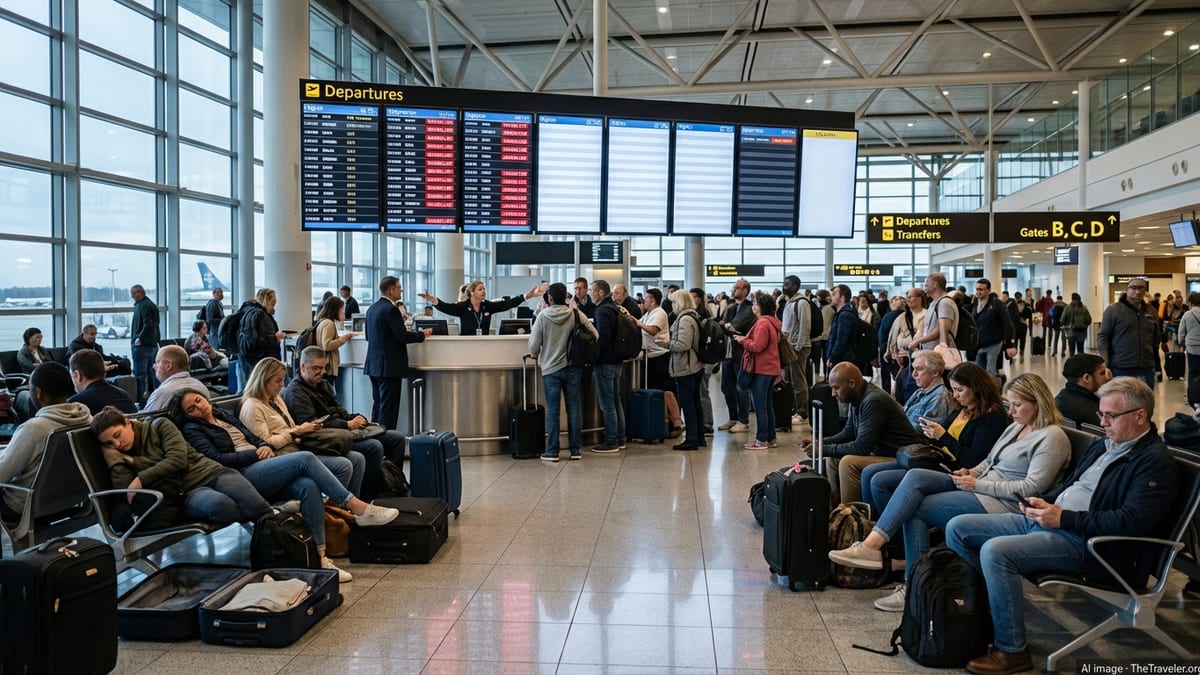
UAE–Jakarta routes curtailed as ash cloud halts operations
Publicly available information shows that Emirates and Etihad have adjusted their UAE–Jakarta schedules after volcanic ash drifted into airspace around Jakarta’s main international gateway. Authorities in Indonesia temporarily suspended operations at Soekarno-Hatta International Airport, triggering a wave of cancellations and delays on international routes.
According to published coverage on September 7, Emirates has cancelled a series of Dubai–Jakarta rotations covering services on September 6 and 7. The airline has applied a stop on accepting passengers connecting through Dubai to Jakarta at their point of origin until further notice, reflecting continued uncertainty over the airport’s reopening window.
Etihad has also been affected on its Abu Dhabi–Jakarta route. Reports indicate that flight EY472 from Abu Dhabi on September 6 and the return EY473 on September 7 experienced significant delays as the carrier adjusted its operations around the temporary closure in Indonesia’s capital.
The disruption on the busy corridor between the Gulf and Southeast Asia adds to a broader period of instability for regional aviation, which has already been dealing with rerouted flights and schedule changes linked to separate geopolitical tensions.
Details of Emirates cancellations and passenger guidance
Operational bulletins published by Emirates list eight Dubai–Jakarta services as cancelled over September 6 and 7. The affected flights include EK356 and EK358 from Dubai to Jakarta and EK357 and EK359 in the opposite direction across both days, effectively suspending regular two-way service for a 48-hour period.
Emirates’ disruption advisory notes that customers connecting through Dubai to Jakarta will not be accepted for travel from their departure airports until normal operations resume. Public information on the airline’s website also urges ticket-holders to monitor flight status pages, review operational updates and check email and SMS notifications before travelling to the airport.
Regional media reports add that the carrier began cancelling and delaying Jakarta services as early as September 5, when the first closures linked to volcanic ash were imposed. These adjustments have left some passengers in transit hubs needing to rebook onward travel or wait for updated timings on alternative flights.
The airline’s general guidance for disrupted travel highlights that rebooking options depend on individual fare conditions and whether a flight is formally cancelled or merely retimed. Travellers are being encouraged to work through their original booking channels, including travel agencies, to secure new itineraries where necessary.
Etihad delays add to wider UAE airport disruption
Etihad’s Jakarta operations have so far been affected primarily through delays rather than full cancellations. According to radio and press updates, the carrier’s EY472 service from Abu Dhabi to Jakarta on September 6 was delayed after ash-related closures, with the return EY473 from Jakarta to Abu Dhabi on September 7 also pushed back.
The disruption to Etihad’s schedule comes on top of several days of uneven operations at Abu Dhabi’s Zayed International Airport. Separate travel advisories over the past week have pointed to delays across a range of Etihad routes to Europe, Asia and the Middle East, linked largely to heightened regional tensions and evolving airspace restrictions.
Analysts note that the combination of geopolitical factors and natural phenomena can quickly narrow the operating windows available to airlines. In such conditions, carriers often build in additional buffer time on long-haul services, which can cascade into further delays when unplanned events, such as volcanic ash, temporarily close key airports.
Passengers flying out of Abu Dhabi are therefore being advised in public notices to arrive early, allow extra time for security and immigration, and continually check the latest status of their individual flights.
Anak Krakatau eruption triggers flight safety precautions
The disruptions originate from increased activity at Anak Krakatau, a volcanic island situated in the Sunda Strait between Java and Sumatra. Recent eruptions have sent ash plumes high into the atmosphere, with Indonesian aviation authorities moving to suspend operations at Soekarno-Hatta International Airport as ash drifted towards Jakarta’s airspace.
Volcanic ash poses a well-documented risk to jet engines and aircraft systems, and international safety protocols call for conservative responses when ash clouds are detected near flight paths. As a result, air navigation and meteorological agencies issue advisories that airlines and airports must factor into their operational decisions.
Coverage from regional outlets indicates that hundreds of flights to and from Jakarta have been affected across multiple carriers, with cancellations, diversions and extended delays. Disruption is not limited to long-haul routes from the Middle East, but the connectivity between the Gulf and Indonesia’s capital has made the impact particularly visible to UAE-based travellers.
While weather and geological events of this kind are not uncommon in Indonesia, the scale of Anak Krakatau’s current activity has required decisive short-term measures to safeguard aircraft and passengers, even at the cost of substantial schedule upheaval.
What UAE travellers should do next
For passengers scheduled to travel between the UAE and Jakarta in the coming days, publicly available guidance from airlines and airports stresses the importance of checking flight status frequently. Timings and operating decisions can change at short notice as Indonesian authorities reassess ash levels and as airlines reposition aircraft and crews.
Travellers are advised to ensure their contact details are correctly entered in their booking records so that carriers can issue email and SMS updates on any changes. Those who booked through travel agencies may need to coordinate directly with their agents to confirm rebooking options, refund eligibility or alternative routings via other Southeast Asian gateways.
Given the wider context of regional airspace constraints, even routes not directly linked to Jakarta may experience knock-on delays as airlines juggle aircraft availability and adjust flight plans. Industry sources note that schedules into and out of both Dubai International and Abu Dhabi’s Zayed International remain subject to late changes.
For now, the restoration of regular UAE–Jakarta services will depend largely on how quickly volcanic ash disperses and on subsequent decisions by Indonesia’s aviation regulators. Until then, passengers are likely to face a patchwork of cancellations, retimings and limited seat availability on any remaining services linking the Gulf with Indonesia’s capital.