


More news on this day
UAE residents planning regional travel are facing a fast-changing picture as US diplomatic missions issue fresh security messaging, Iran signals tougher terms for any pause in fighting, and Saudi Arabia reports a missile interception, all alongside shifting airline schedules across Gulf routes.
Get the latest news straight to your inbox!
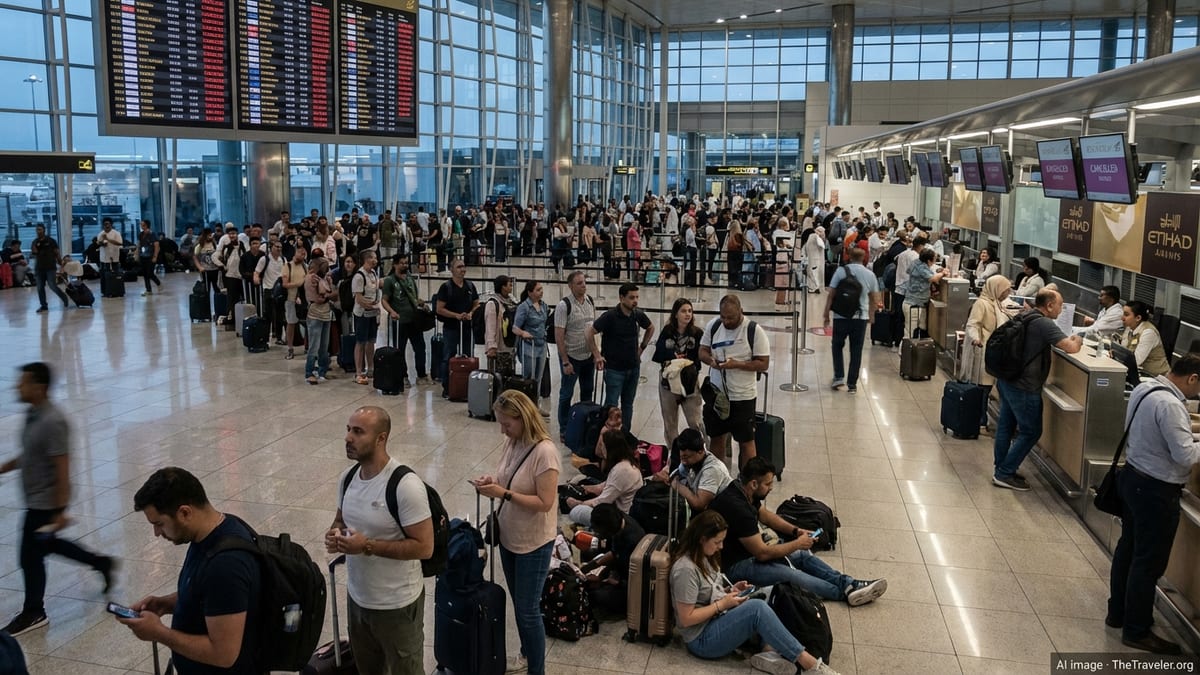
What the latest US travel alert means for travelers transiting the Gulf
Published coverage on September 20, 2026 indicates the US Mission to the UAE circulated a security alert urging Americans outside the Middle East to seriously reconsider travel to and through the region, while advising those already in-country to maintain heightened vigilance. The alert language emphasized that tensions could escalate quickly, with knock-on effects for aviation, including short-notice flight cancellations and airspace closures.
Separate, publicly available updates show similar cautionary messaging appearing across multiple US missions in the region on September 20, naming countries including Iraq, Bahrain, Oman, Saudi Arabia, Iran, Qatar, Lebanon, Kuwait, Jordan and the UAE. For UAE residents, the practical takeaway is less about nationality and more about operations: airports may remain open and functioning while specific corridors or airlines adjust routings, timings, or frequency.
For travelers holding tickets in the coming days, the most reliable indicator is not social media chatter but the live status of a specific flight number. Even when terminals are operating normally in Dubai and Abu Dhabi, aviation disruptions can present as last-minute gate changes, longer routings to avoid certain airspace, or cascading delays on inbound aircraft rotations.
Iran ceasefire terms and the Strait of Hormuz factor
On September 20, 2026, published reporting described Iran setting conditions for returning to talks with Washington and tying any broader de-escalation to steps that include recognition of Iranian demands and fulfillment of commitments. Recent coverage has also linked Iran’s stance to the future of access and operations around the Strait of Hormuz, a key chokepoint whose stability can influence everything from fuel markets to airline planning.
Background summaries from parliamentary research briefings in late August 2026 framed the wider conflict as ongoing since late February 2026, with intermittent ceasefire efforts earlier in the year failing to produce a durable settlement. Those briefings also described continued tension around maritime movement and limited transit through the strait, reinforcing why carriers may keep contingency routing plans active even when airports themselves are functioning.
For UAE-based travelers, the link between diplomacy and day-to-day travel is indirect but real. When the risk environment shifts, airlines may add fuel, fly longer routes, or time arrivals and departures to reduce exposure to specific corridors. That can mean longer journey times, tighter connections, and increased susceptibility to missed onward flights even if the original segment departs.
Saudi missile interception and what it can mean for regional flight patterns
Over the weekend of September 19 to September 20, 2026, international coverage described Saudi Arabia reporting the interception of a ballistic missile aimed toward Riyadh amid intensified conflict involving Yemen’s Houthis. The incident drew attention because it involved a major hub area and came during a period of elevated regional alerting.
In practical travel terms, a single interception does not automatically translate into long-term airport closures. However, it can coincide with temporary airspace restrictions, revised approach and departure procedures, or schedule adjustments by carriers serving the Kingdom, especially if additional incidents are anticipated.
Recent reporting earlier in the week also highlighted strains on regional missile defense inventories, an issue that can keep perceived risk elevated. For passengers, this is one reason why airlines and regulators may act conservatively, including pausing particular frequencies, changing routings, or consolidating flights to maintain operational resilience.
Flight updates for UAE travelers: what is verified, and what to do before leaving home
As of September 20, 2026, published coverage indicated Dubai and Abu Dhabi airports were operating normally, while noting that some regional services had been canceled. A separate report earlier in September detailed examples of cancellations and delays from Dubai International and Abu Dhabi’s Zayed International during a mix of causes, including renewed regional tension, underscoring that disruption can be selective and fast-moving rather than system-wide.
For UAE residents traveling to nearby destinations such as Saudi Arabia, Bahrain, and Kuwait, the most defensible approach is to check the airline’s flight status tool shortly before departure and again while en route to the airport. This is especially important on short-haul Gulf sectors, where aircraft rotations are tight and a single disruption can trigger rolling changes across the day.
Travelers should also build in extra buffer time for connections that rely on a single daily service, and consider booking itineraries with longer layovers when possible. If you are connecting onward from Dubai or Abu Dhabi to Europe, North America, or Asia, disruptions on a short regional leg can be more consequential than a long-haul delay because rebooking options may be limited, particularly during peak travel periods.
Finally, travelers should keep documentation, rebooking eligibility, and insurance policy details accessible offline. When disruptions occur amid elevated regional alerts, resolution timelines can be unpredictable, and being able to quickly confirm fare rules, change options, and alternate routings can make a material difference at the airport.