


More news on this day
Israeli travelers are increasingly seeking consular and emergency assistance in destinations such as the United Arab Emirates, Thailand and Greece, according to recent government reports and travel advisories that highlight growing global concern over security, insurance coverage and antisemitic incidents abroad.
Get the latest news straight to your inbox!
Rising Case Numbers Put Popular Destinations in Focus
Publicly available information from Israel’s Foreign Ministry and National Security Council indicates a steady rise in assistance requests from Israelis overseas in the past two years, including in destinations that were once viewed as straightforward leisure choices. While traditional hotspots in Europe and North America still account for a significant share of consular workload, the United Arab Emirates, Thailand and Greece have moved into sharper focus as Israeli travel has rebounded and diversified.
Foreign Ministry summaries describe thousands of distress calls and consular contacts annually, covering medical emergencies, lost documents, legal issues and security-related events. Recent coverage of internal situation-room data points to several thousand assistance files opened worldwide over a 12‑month period, including dozens of cases tied to antisemitic harassment or politically motivated incidents. These figures, while still small compared with the overall volume of outbound travel, mark what officials have described in public reports as a phenomenon that did not exist on the same scale in previous years.
Travel analysts note that the increase reflects not only heightened risk perceptions but also improved awareness of consular hotlines, travel‑warning platforms and insurance assistance numbers. As a result, more Israeli travelers appear willing to report problems that in the past might have remained unlogged, giving a clearer statistical picture of where and how they encounter difficulties abroad.
United Arab Emirates: From Flagship Corridor to Heightened Alerts
Since the normalization of relations under the Abraham Accords, the UAE has quickly become one of the busiest corridors for Israeli leisure and business travel. Data from the Israel Airports Authority and civil-aviation monitoring, summarized in recent reporting, show more than one million passenger movements annually between Israel and Emirati airports, with Dubai and Abu Dhabi marketed heavily as quick‑getaway destinations.
At the same time, publicly accessible travel‑warning updates have highlighted shifting risk calculations. In late 2024 and again in 2025, Israel’s National Security Council sharpened its alert level for the UAE following intelligence assessments and regional security tensions. Published coverage of these advisories describes recommendations for Israelis to reconsider nonessential trips, remain aware of potential terrorism threats and avoid highly visible Israeli gatherings in public spaces.
Insurance providers have reacted by refining their regional exclusions and notification rules. Some international travel policies require policyholders to check home‑country advisory levels before departure, while others stress that claims linked to terrorism or warlike events may be limited or excluded. Travelers to the UAE are increasingly encouraged to document flight changes, evacuation costs and accommodation disruptions to support any future insurance claims, a trend reflected in consumer discussions and dispute cases reported in recent months.
Thailand’s Tourism Magnetism Meets New Security Realities
Thailand has long ranked among the most popular long‑haul destinations for Israelis, with tourism authorities in Bangkok reporting hundreds of thousands of Israeli visitors annually in the mid‑2020s. Visa‑exemption arrangements and frequent direct and connecting flights have made resorts such as Phuket, Koh Samui and the islands of the Andaman Sea staples of the Israeli holiday calendar.
Against this backdrop, security briefings have become more prominent. In late 2024, Israel’s National Security Council raised the formal travel warning for Thailand and later reiterated the need for heightened vigilance after regional intelligence pointed to possible plots targeting Israelis in parts of Southeast Asia. Media coverage of those advisories described the threat as persistent, even as day‑to‑day life for most tourists continued largely unchanged.
Consular channels in Bangkok and other regional hubs have reported a mix of assistance requests, from medical evacuations after road and diving accidents to emergency travel documents for lost passports. Insurers and travel‑risk consultants operating in Thailand increasingly emphasize 24‑hour hotlines, local medical networks and rapid evacuation options, underlining that many of the most frequent claims stem from mundane incidents rather than terrorism but that elevated alert levels can complicate logistics and raise costs.
Observers say the Thai case illustrates how a destination can remain formally open for tourism while appearing in higher‑risk categories on travel‑warning maps. Israeli travelers are urged in public materials to monitor both Israeli and Thai government advisories, register contact details before departure and check that their insurance policies remain valid if the situation changes during their trip.
Greece: Close Partner, Growing Concerns Over Street-Level Incidents
Greece has developed into a favored Mediterranean destination for Israeli travelers, offering short flight times, visa‑free entry and a rapidly expanding network of direct routes to islands and mainland cities. On a diplomatic level, the relationship between Athens and Jerusalem is often described in policy papers and commentary as among the closest in the region, with cooperation in energy, defense and tourism.
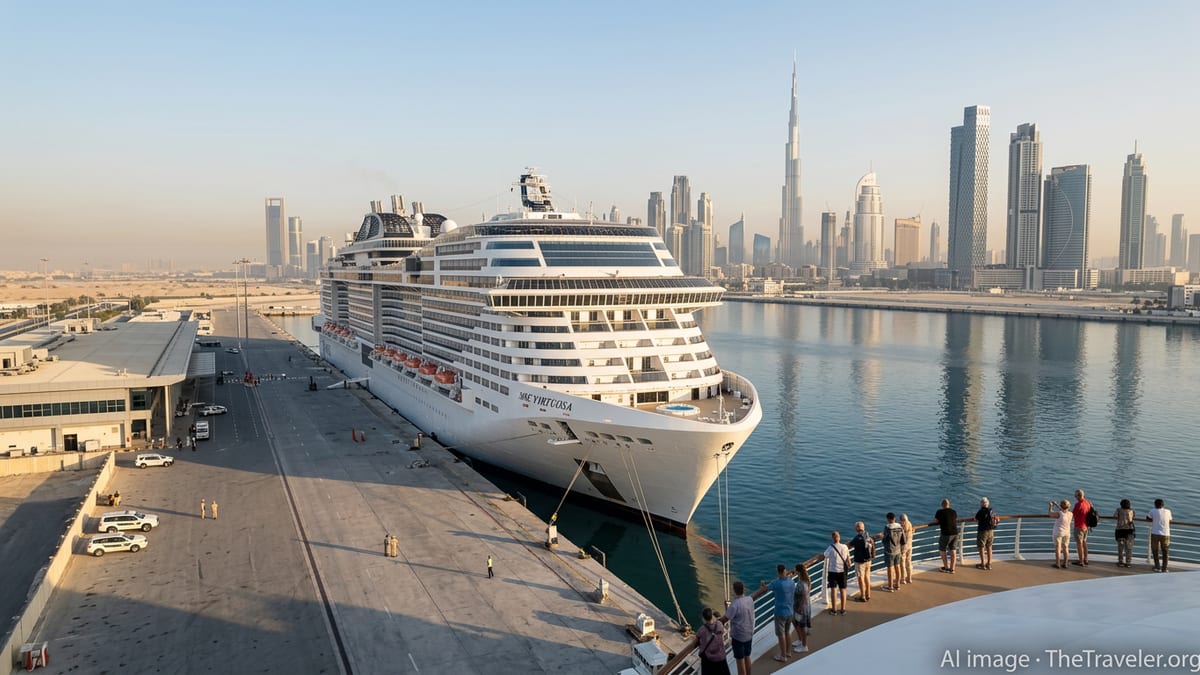
Yet recent years have seen an uptick in reported incidents affecting Israeli and Jewish visitors. A bi‑weekly antisemitism monitoring report published by an Israeli government body in late 2025 cited an episode in which Israeli cruise passengers were confronted by pro‑Palestinian demonstrators in a Greek port. Separate Israeli media coverage in 2024 pointed to unusual travel guidance urging visitors in parts of Greece to reduce visible Jewish symbols in crowded urban areas amid concerns about harassment.
These developments have added a new layer to an otherwise positive tourism narrative. Travel specialists note that while Greece is not generally categorized among the most dangerous countries for Israelis, the combination of mass tourism, high‑profile protests and online mobilization can create flashpoints, particularly in major cities during politically sensitive periods. Assistance cases reported in Greek locations range from thefts and medical emergencies to support following hostile encounters linked to regional tensions.
As with the UAE and Thailand, insurance considerations are becoming more central for Israelis heading to Greece. Policies that include coverage for trip interruption due to civil unrest, along with comprehensive medical and personal‑property protection, are increasingly marketed to travelers who want a buffer against both routine and extraordinary risks.
Global Travel Safety: What Israeli Travelers Should Watch
The rise in assistance cases involving Israelis in the UAE, Thailand and Greece forms part of a broader global pattern in which political polarization, online incitement and regional conflicts spill over into the travel sphere. International insurers, risk‑consulting firms and government advisory platforms are placing greater emphasis on individualized risk assessments, encouraging travelers to consider not only country‑level ratings but also local conditions in specific cities, neighborhoods and event venues.
For Israelis, publicly available guidance highlights several recurring themes: review National Security Council travel alerts before booking; pay attention to changes in threat levels in the weeks leading up to departure; and avoid large demonstrations, high‑profile Israeli events and locations where crowds can quickly become volatile. Many advisories also stress the importance of keeping a low profile in certain environments and being alert to antisemitic narratives circulating both on the ground and on social media.
From an insurance perspective, policy wording has become a critical part of trip planning. Industry brochures and product sheets show that some providers exclude coverage in countries under specific war or terrorism advisories, while others apply higher deductibles or narrower benefits. Travelers are encouraged in publicly available consumer guidance to verify whether travel to a destination with an upgraded warning will affect emergency medical, evacuation or cancellation coverage, and to keep copies of all documents and receipts if they later need to file a claim.
As global travel resumes at scale, the experience of Israelis in places like the UAE, Thailand and Greece illustrates how even traditionally welcoming destinations can generate higher volumes of assistance cases when geopolitical tensions rise. The growing body of data and advisories suggests that careful preparation, real‑time information and robust insurance are becoming as essential to international trips as passports and plane tickets.