


More news on this day
Thailand’s tourism sector is increasingly powered by European travelers, with the United Kingdom now joining Germany, France, Italy, Spain and other key markets as a leading source of long-haul visitors and spending in the kingdom.
Get the latest news straight to your inbox!
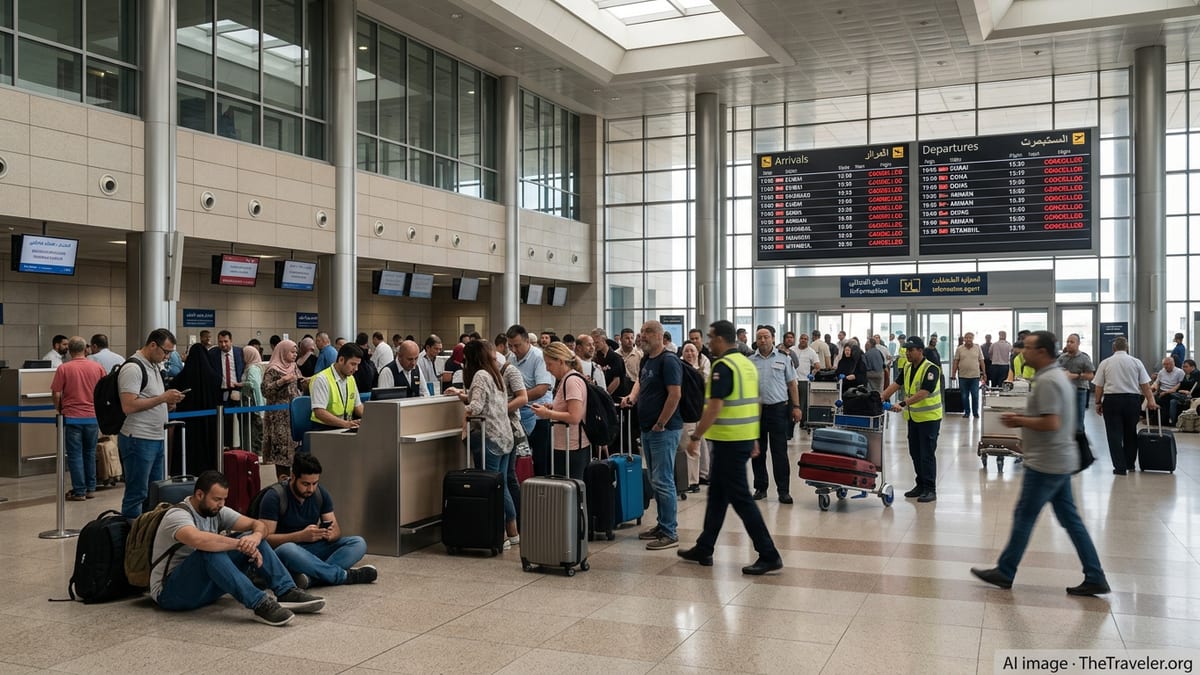
European Arrivals Underpin Thailand’s Post-Pandemic Rebound
Recent figures for 2024 and early 2025 indicate that Thailand has firmly re-established itself among the world’s top tourism destinations, with foreign arrivals exceeding 35 million in 2024 and Europe consolidating its role as one of the most important long-haul source regions. Publicly available statistics show that arrivals from Europe grew faster than from several Asian markets as Thailand worked to rebalance away from its earlier reliance on regional short-haul traffic.
Industry briefings and government data indicate that Western Europe has become the second-largest source region for Thailand, behind only East Asia when all markets are combined. Within that European mix, Germany, the United Kingdom, France, Italy and Spain consistently appear among the top origin countries, both in terms of sheer volume and average spend per visitor.
While overall global arrivals dipped slightly in 2025 due to air-capacity constraints and softer demand in some Asian markets, European inflows have remained comparatively resilient. Travel trade reports describe a shift toward higher-value, longer-stay trips from Europe, helping to sustain tourism receipts even as headline visitor numbers fluctuate.
UK Joins Germany, France, Italy and Spain at the Front of the Pack
According to published coverage focused on Thailand’s long-haul markets, arrivals from the United Kingdom have now surpassed 1 million visitors annually for the first time since before the pandemic, placing the UK firmly alongside Germany, France, Italy and Spain as one of Thailand’s leading European contributors. Travel market analyses describe British visitors as a “premium” segment, staying longer than many regional travelers and tending to book higher-category accommodation or complex itineraries that mix beaches, culture and wellness.
Separate reporting from financial and tourism outlets notes that, in a recent year, arrivals from the UK, France and Italy increased by more than 20 percent, while visitors from Germany and Spain also posted double-digit gains. These growth rates put the principal Western European markets among the fastest-recovering long-haul sources for Thailand, surpassing the pace of some traditional Asian contributors.
Germany remains one of Thailand’s top five long-haul markets by volume and spending, supported by a dense network of scheduled services and charter flights. France continues to be highlighted as a priority European source, with a strong presence in Bangkok, Phuket and emerging secondary destinations. Italy and Spain, though smaller in absolute numbers than Germany or the UK, have been singled out in tourism board assessments for their rapid percentage growth and high repeat-visit rates.
Air Connectivity and New Routes Fuel the Surge
The strengthening role of Europe, and of the UK in particular, is closely tied to improvements in air connectivity between Thailand and major European hubs. Reports indicate that Thailand’s tourism authorities have worked with airlines to restore and expand long-haul capacity after the pandemic, focusing in particular on nonstop links from Germany, the UK, France and Italy into Bangkok and Phuket.
Coverage in aviation and travel industry publications points to the resumption of seasonal and year-round services from German gateways such as Frankfurt to Bangkok and Phuket, helping to unlock pent-up demand from Central Europe. Carriers based in the Middle East have also increased frequencies on connecting itineraries from London, Paris, Rome and Madrid to Thai destinations, widening options for travelers in cities that lack nonstop flights.
Forward booking data compiled by travel analytics firms show solid European demand stretching through late 2025 and into the 2026 high season, despite intermittent pressure on airfares from higher fuel prices. Long-haul capacity additions, particularly widebody aircraft deployments on Europe–Bangkok routes, are expected to support further growth from the UK and its continental neighbors if global economic conditions remain broadly stable.
High-Value, Long-Stay Travel Shapes Spending Patterns
European visitors, including those from the UK, Germany, France, Italy and Spain, are increasingly central to Thailand’s push for higher tourism revenue per capita. Publicly available information from hotel market and tourism revenue reports suggests that European travelers typically stay longer than regional counterparts, often combining multiple Thai destinations in a single itinerary.
Studies of Bangkok and Phuket’s hospitality sectors in 2024 show that Europe accounts for a substantial share of room nights in upscale and luxury properties, with the UK and Germany ranking among the most valuable long-haul origin markets. These guests are associated with robust spending on accommodation, dining, excursions and wellness services, providing a buffer for local operators when short-haul price-sensitive segments weaken.
Market research shared by European tourism bodies indicates that outbound travel from the UK, Germany, France, Italy and Spain has rebounded strongly, with households prioritizing international holidays despite broader cost-of-living pressures. Thailand is positioned to capture a portion of that resilient demand through a combination of comparative affordability, diverse experiences and an established reputation among repeat European visitors.
Strategic Pivot to Europe Amid Shifting Asian Demand
The rising prominence of the UK and other European markets also reflects a deliberate strategic pivot in Thailand’s tourism policy. Commentaries in regional business media describe how the country has reduced its dependence on a narrow set of East Asian markets by diversifying toward long-haul visitors from Europe and North America, who are perceived as less sensitive to short-term regional volatility.
Policy-oriented analyses observe that tourism planners are emphasizing “value over volume,” promoting longer stays, higher daily spending and travel outside traditional peak season. Campaigns tied to major fairs and networking events in European capitals, including Berlin and other key cities, have been used to reinforce Thailand’s profile among tour operators, airlines and travel agents across the continent.
Looking ahead to the 2025 and 2026 winter seasons, industry projections suggest that the UK, Germany, France, Italy and Spain will remain at the forefront of Thailand’s European tourism base. If air capacity continues to expand and macroeconomic conditions in Europe hold steady, analysts expect these markets to play an increasingly important role in sustaining Thailand’s tourism revenues and supporting jobs across the country’s key destinations.