


More news on this day
A renewed wave of UK flight disruption on Monday added fresh pressure on National Air Traffic Services (NATS) after an earlier breakdown this month led to widespread cancellations, with anger spilling over into calls for senior leaders to be removed.
Get the latest news straight to your inbox!
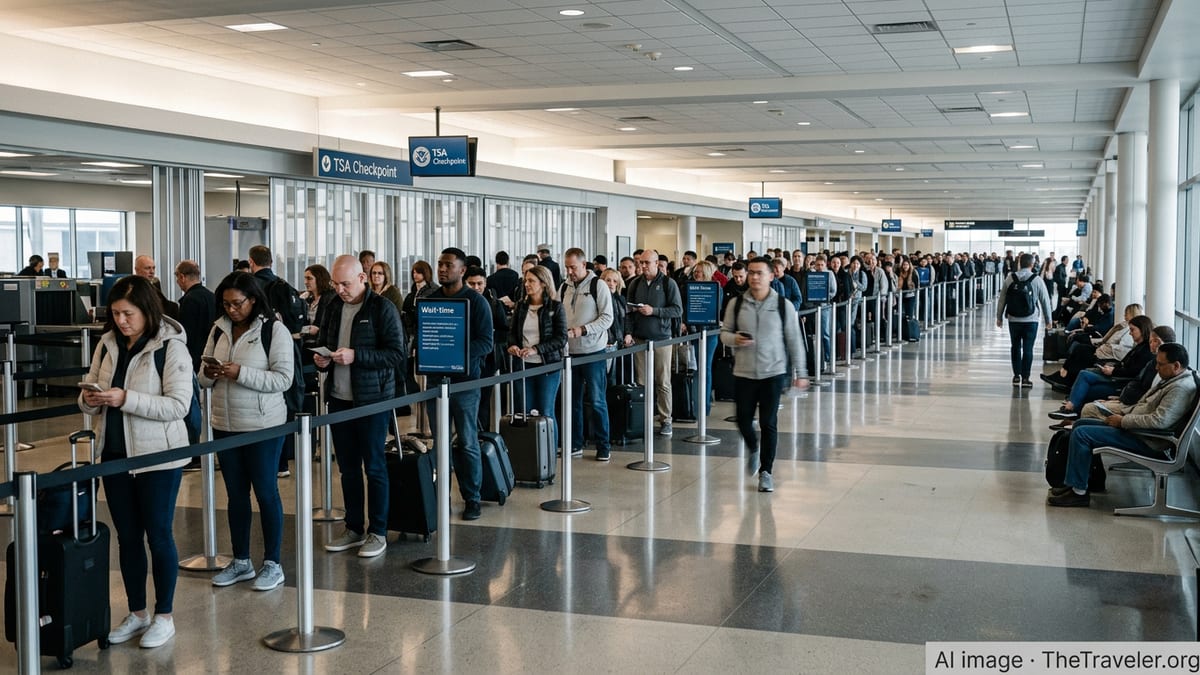
Second disruption in two weeks widens the fallout
Published coverage indicates NATS reported a technical issue at its Prestwick centre in Scotland early Monday, September 21, 2026, prompting air traffic restrictions and knock-on delays and cancellations across parts of the network.
Reports indicate the most significant impacts were felt on services in and out of Scotland, Northern Ireland and the north of England, with the disruption expected to ripple through schedules even after the immediate technical problem was addressed.
Airlines and airports faced a familiar operational squeeze: aircraft and crews ending up out of position, passengers missing connections, and later departures absorbing the backlog as the day progressed.
‘Enough’ and renewed pressure on NATS leadership
The latest incident has reignited a debate that intensified earlier this month, when a separate NATS system problem triggered large-scale disruption. Public reporting from multiple outlets has highlighted renewed calls from airlines for a leadership shake-up, including demands that the NATS chief executive step aside.
Those calls gained traction after the earlier breakdown around September 8, 2026, which published coverage tied to more than 2,000 flight cancellations over the following days. That episode also fueled scrutiny of resilience measures, including how quickly systems can be restored and how effectively traffic can be managed while faults are investigated.
NATS has faced questions not only about the cause of individual faults but also about whether the frequency of major disruptions points to deeper issues in technology, staffing, governance, or contingency planning.
What travelers are experiencing: cancellations, delays, and cascading disruption
For passengers, the practical consequences have been immediate: delayed departures, flights cancelled at short notice, and rebooking queues stretching both online and at airport service desks. Even travelers whose flights operate can face late arrivals if airspace restrictions force longer routings or limit departure slots.
Published data cited by major outlets has pointed to hundreds of cancellations during Monday’s disruption, with some of the worst effects concentrated at airports serving Scotland and Northern Ireland, alongside major hubs that feed traffic into those routes.
The timing has added to frustration because the UK system is still absorbing the consequences of the earlier September breakdown. In aviation operations, a single day of severe disruption can create a multi-day recovery period as airlines reposition aircraft, comply with crew duty-time limits, and rebuild schedules.
Passenger rights: refunds, rerouting, care, and the compensation question
UK passenger-rights rules can offer strong protections during disruption, but the type of incident matters. Publicly available guidance from the UK Civil Aviation Authority (CAA) sets out that when flights are cancelled or significantly delayed, airlines must provide assistance such as meals, refreshments, and communication options, and cover hotel accommodation and transport when an overnight stay is necessary.
Fixed-sum compensation is more complicated. The CAA has stated that disruption caused by the NATS outage on September 8, 2026 is likely to be treated as “extraordinary circumstances” under UK261-style rules, which would generally mean compensation is unlikely, even though the airline still owes a duty of care and must offer a choice of refund or rerouting where applicable.
For travelers affected by Monday’s disruption, the key point is that compensation eligibility can depend on the specific cause, documentation, and an airline’s assessment of whether the disruption was within its control. Travelers who incur out-of-pocket costs are typically advised, in general consumer guidance, to keep receipts and written records of disruption notices and rebooking arrangements.
What to watch next: reliability, investigations, and operational resilience
Beyond the immediate airport impacts, the new disruption has intensified focus on system reliability. Earlier reporting described a preliminary explanation of a software defect behind the September 8 incident, and Monday’s issue at Prestwick is being investigated, according to NATS communications reported in the media.
For travelers planning UK flights in the days ahead, the most practical risk may be residual disruption: aircraft and crew rotations can take time to normalize, and the highest exposure tends to fall on tightly scheduled short-haul routes where there is less slack to absorb delays.
Industry pressure for changes at NATS is likely to remain a major storyline, as airlines and passengers call for clearer accountability and stronger technical resilience. With two significant disruptions within a fortnight, the coming days may bring further detail about causes, mitigations, and how quickly confidence in UK air traffic operations can be restored.