


More news on this day
Passengers flying in and out of the United Kingdom faced widespread disruption as more than 20 flights were cancelled and over 400 services delayed, with low cost and full service airlines including easyJet, British Airways, Virgin Atlantic, Aer Lingus, Air Canada and Vueling all affected on busy routes to and from London and Manchester.
Get the latest news straight to your inbox!
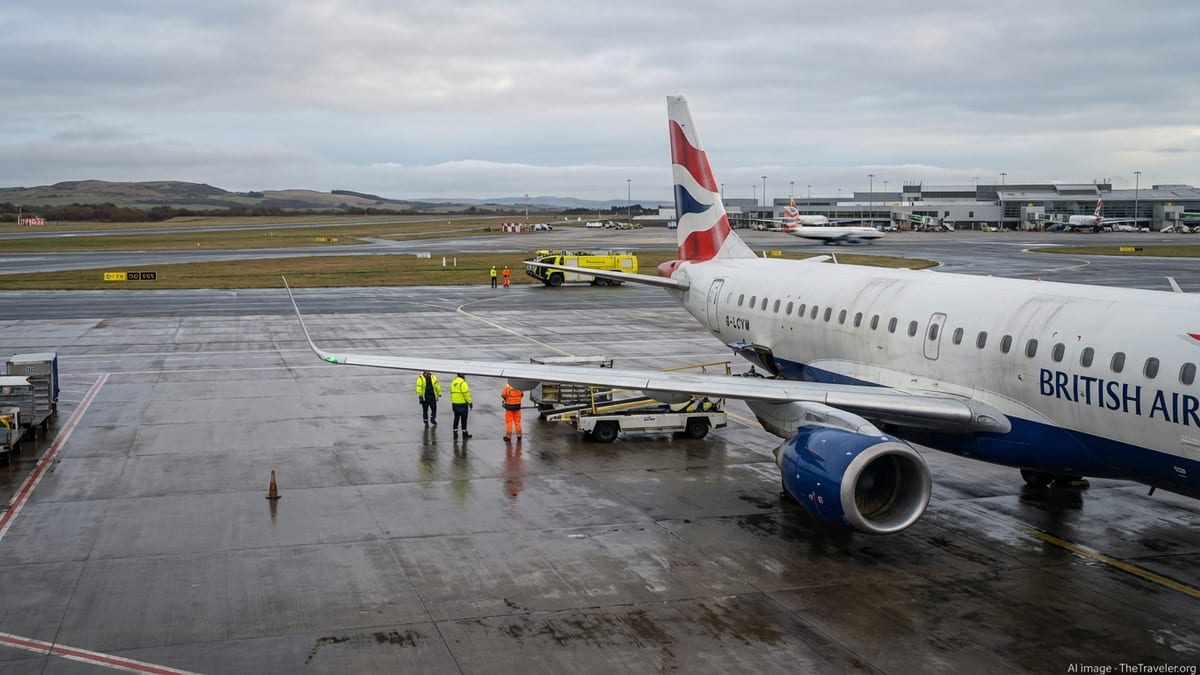
Major UK Hubs See Wave of Cancellations and Delays
Operational data from flight tracking services and airport schedules shows at least 21 flights cancelled and more than 430 delayed across UK airports over the latest 24 hour period, with a significant concentration on services touching London and Manchester. The disruption has hit both domestic and international routes, affecting early morning departures and late evening arrivals alike.
Among the airlines most visibly affected are easyJet and British Airways, which together operate a large share of short haul services from London and regional UK bases. Virgin Atlantic, Aer Lingus, Air Canada and Spanish low cost carrier Vueling have also recorded cancellations and rolling delays on key transatlantic and European routes, adding pressure at already congested terminal gates.
London’s main airports, including Heathrow, Gatwick and Luton, along with Manchester Airport in the northwest of England, appear to account for a substantial share of the disruption. These hubs serve as primary gateways for traffic between the UK, continental Europe and North America, meaning schedule problems in one location have quickly cascaded into knock on delays across wider networks.
Published aviation statistics from the UK Civil Aviation Authority highlight that airlines such as easyJet, British Airways, Virgin Atlantic, Aer Lingus and Vueling have all been managing elevated levels of delays and cancellations since 2024, reflecting tighter capacity, staffing constraints and ongoing operational challenges. The latest wave of disruption continues this pattern, although the specific mix of causes varies by route and airline.
Key Routes Between London and Manchester Disrupted
Routes linking London and Manchester, which rank among the busiest domestic sectors in the country, have been particularly exposed. Flight status boards on services between the two cities show a combination of outright cancellations and substantial delays, with some departures pushed back by several hours and others removed from schedules.
British Airways, which operates frequent services on the London to Manchester corridor, has recorded a series of delayed departures alongside a smaller number of cancellations. Low cost rivals have faced similar challenges, with some Manchester bound flights from London area airports grounded and others subject to repeated schedule revisions.
The disruptions have not been limited to domestic services. Transatlantic flights linking Manchester and London to major North American destinations, including New York and Canadian cities, have also experienced knock on delays. Air Canada’s adjustments on routes into the UK, combined with schedule changes by Virgin Atlantic and Aer Lingus on long haul services, have contributed to congestion in arrival and departure banks at peak times.
For travelers connecting via London or Manchester, missed onward departures have been a recurring issue. Published accounts from passengers describe missed connections when inbound flights landed significantly behind schedule, particularly on itineraries involving multiple carriers or tight transfer windows.
Mixture of Operational and Capacity Pressures
Publicly available information from airlines, airports and regulators points to a familiar mix of underlying causes. Staffing shortages in key operational roles, aircraft rotations already running close to capacity, and periodic technical issues have all played a role in recent disruption patterns. Adverse weather at certain hubs and congestion in European airspace have also periodically contributed to knock on effects.
When schedules are this tightly calibrated, minor delays early in the day can cascade into extensive disruption by evening. A late arriving aircraft may force crews up against working hour limits, triggering last minute crew changes or, in some cases, full cancellations if replacements are not available. This has been particularly visible on short haul rotations between London, Manchester and major European cities served by easyJet, Vueling and others.
Long haul carriers such as Virgin Atlantic, Aer Lingus and Air Canada face additional complexity due to aircraft positioning and turnround times on transatlantic sectors. If an aircraft arrives late from North America, the subsequent departure from the UK is likely to be pushed back, with on time recovery sometimes taking several days depending on fleet availability.
Regulatory data on punctuality trends indicates that, even before the latest disruptions, on time performance for some UK and European airlines had been under sustained pressure. While the majority of flights still arrive close to schedule, spikes in cancellations and delays such as those seen in recent days underline the fragility of current operations.
Passenger Rights Under UK261 and Airline Policies
For travelers caught up in cancellations or lengthy delays, passenger rights are framed primarily by the UK’s retained version of EU261 regulations, often referred to as UK261. Guidance published by consumer organizations and travel industry bodies explains that when a flight departing from the UK is cancelled, airlines must offer passengers a choice between rerouting at the earliest opportunity and a refund of the unused ticket.
In the case of significant delays, entitlement to care and assistance can include food and drink vouchers, access to communication and, where necessary, hotel accommodation. Cash compensation may also be due in some circumstances, although it generally depends on the length of the delay, the distance of the flight and whether the underlying cause is considered to be within the airline’s control.
Industry advice stresses that passengers should keep boarding passes, booking confirmations and any written notices of delay or cancellation, as well as receipts for essential expenses. These documents can support claims under UK261 or through travel insurance providers, particularly when disruptions lead to missed connections, additional transport costs or lost prepaid accommodation.
A number of airlines affected by the latest UK disruptions publish dedicated online portals for disruption management, enabling customers to rebook, request refunds or submit compensation claims. However, consumer advocates note that processing times can vary, and travelers are encouraged to review both regulatory guidance and airline specific policies to understand the options available in their circumstances.
Ongoing Monitoring of UK Flight Performance
With flight disruption data for UK airports now being updated frequently by independent trackers, airport operators and the UK Civil Aviation Authority, the scale and pattern of cancellations and delays at hubs such as London and Manchester are receiving close scrutiny. Regular statistical releases track on time performance by airline and by route, offering a wider context for the latest transport difficulties.
Aviation analysts point to the importance of seasonal demand, staffing levels and fleet planning decisions in determining how resilient airlines will be to future operational shocks. Carriers including easyJet, British Airways, Virgin Atlantic, Aer Lingus, Air Canada and Vueling continue to adjust schedules and capacity from their UK bases, seeking to balance strong demand with the need for more reliable operations.
Travel industry commentary suggests that passengers planning to fly on busy UK routes in the coming weeks may wish to allow additional time for connections, monitor airline apps and airport information screens closely, and consider flexible booking options where available. As airlines work through the latest wave of cancellations and delays, the focus will remain on restoring punctuality across key routes linking London, Manchester and the wider global network.