


More news on this day
Thick fog has prompted a yellow weather warning across wide areas of England, with transport operators and safety agencies urging travelers to expect slower journeys and potential disruption to rail and air services from Sunday evening into Monday morning.
Get the latest news straight to your inbox!
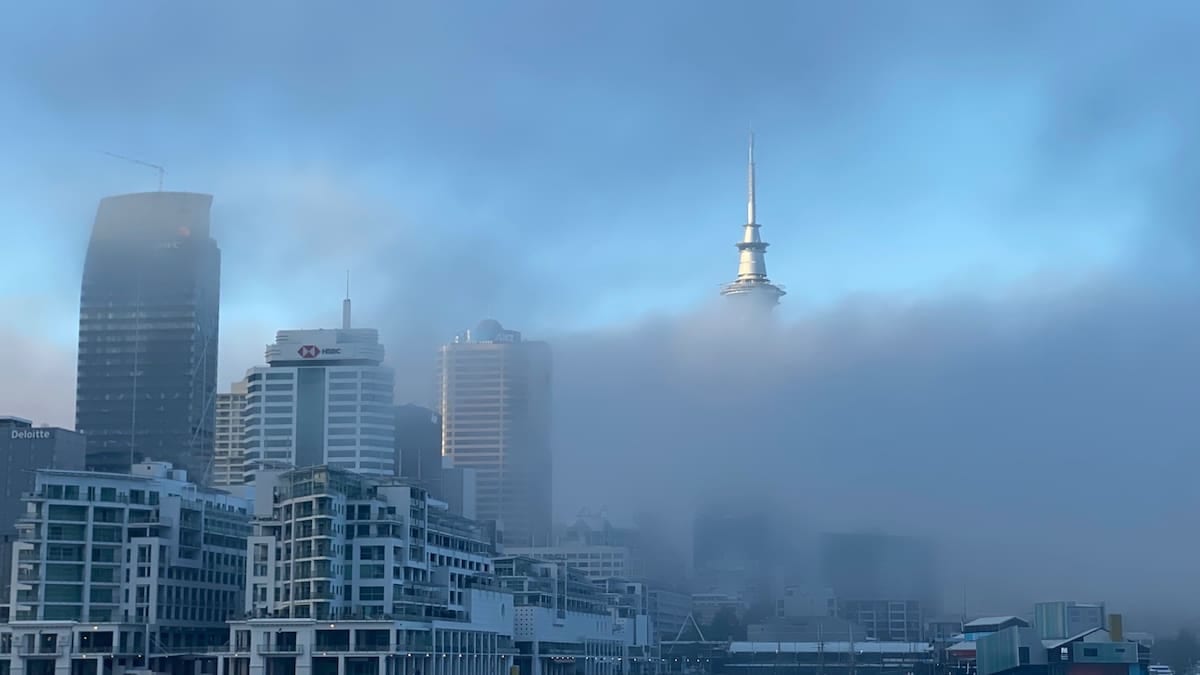
Yellow Fog Alert Covers Key English Transport Corridors
The Met Office has issued a yellow warning for fog from 6 p.m. on Sunday 8 November to 11 a.m. on Monday 9 November, covering large parts of England and Wales. The alert highlights a heightened chance of difficult travel conditions, particularly along some of the country’s busiest road and rail corridors.
According to publicly available Met Office warning data, the affected area stretches from sections of northern England down through the Midlands into the South East, taking in parts of regions such as East Midlands, East of England, West Midlands, Yorkshire and Humber, North West England, South West England, Wales and London and the South East. Within this zone, visibility is expected to fall below 200 metres in many places and below 50 metres in the densest patches.
Separate mapping of the active warning shows that major urban areas and commuter belts including Greater London, the Thames Valley, the Home Counties and parts of the M1, M4 and M40 corridors fall within the zone of concern. Regional updates checked on 8 November indicate that the warning remains in force for the full overnight period into the mid-morning peak on Monday.
While national forecasters indicate that not all locations within the warning area will see dense fog at the same time, the combination of low cloud, mist and locally thick fog is expected to create rapidly changing visibility, especially before and shortly after dawn.
Expected Impact on Roads, Rail and Flights
Met Office guidance for the current yellow fog warning notes that journey times are likely to be slower, with delays to bus and train services possible where visibility deteriorates. On the roads, dense fog can significantly extend braking distances and make it harder for drivers to detect hazards, particularly at higher speeds on motorways and dual carriageways.
National Highways safety advice for fog conditions highlights the risk of sudden changes in visibility, urging drivers to reduce speed, increase the gap to the vehicle ahead and avoid overtaking where sight lines are reduced. The agency’s published guidance stresses that fog can be highly localised, meaning that drivers may move quickly from clear conditions into dense patches without much warning.
On the rail network, publicly available travel advisories for previous fog events show that operators sometimes reduce train speeds in areas of low visibility, which can result in knock-on delays during the morning peak. For the current warning period, rail passengers are being advised via company channels to check journey planners close to departure time in case of timetable changes or congestion.
Airports in the affected regions are also preparing for potential disruption. The Met Office warning explicitly flags the chance of flight delays or cancellations when visibility falls below the thresholds required for safe landing and take-off. Past episodes of widespread fog have led to aircraft being held on the ground or diverted to airports where conditions are clearer, sometimes triggering delays that persist beyond the lifting of the fog itself.
Official Safety Guidance for Drivers and Other Road Users
Travel safety advice compiled by the Met Office and National Highways for fog conditions urges road users to consider postponing non-essential journeys when dense fog is forecast, particularly during the late evening and early morning hours when visibility is typically at its worst. Where travel cannot be avoided, drivers are advised to plan routes in advance and allow significantly more time.
Current National Highways guidance recommends using dipped headlights and, when visibility drops below about 100 metres, appropriate front and rear fog lights in line with the UK Highway Code. Full-beam headlights are discouraged in fog, as the light can reflect back and create a white wall effect that further reduces visibility. Drivers are encouraged to familiarise themselves with their vehicle’s lighting controls before setting out.
The Highway Code rules on adverse weather specify that fog lights should only be used when visibility is seriously reduced and must be switched off once conditions improve, to avoid dazzling other road users. Road safety organisations also emphasise the importance of maintaining a greater distance from the vehicle in front, avoiding sudden braking, and not relying solely on the rear lights of another vehicle as a guide, as this can create a false sense of security.
Publicly available safety handbooks from organisations such as National Highways and road safety charities advise drivers encountering extremely limited visibility to consider leaving the motorway or major road at the next safe opportunity and stopping at a service area until conditions improve. For those who must continue, the guidance highlights the need to keep windscreens and mirrors clear of condensation, use demisters and air conditioning, and stay alert for pedestrians, cyclists and stranded vehicles that may be difficult to see in dense fog.
What UK Travelers Should Do Over the Warning Period
With the fog warning spanning both a Sunday evening and a Monday morning commute, travel planners are highlighting the benefit of adjusting plans where possible. For long-distance road journeys that can be rescheduled, the safest option may be to travel outside the forecast window for the worst conditions, particularly in areas flagged for dense fog and sub-100-metre visibility.
Passengers intending to travel by rail early on Monday are being encouraged, via operator websites and apps, to recheck departure times before leaving home, as low-visibility speed restrictions in certain sections can cause short-notice timetable changes. Where flexible tickets are available, some operators may allow travel on alternative services if specific trains are delayed.
Air travelers flying into or out of airports within the warning zone, including London and surrounding regions, are advised in airline and airport communications to monitor flight status updates closely on Sunday evening and Monday morning. Even when their departure airport remains open, aircraft positioning and restrictions at destination airports within fog-affected areas can result in last-minute schedule adjustments.
For those already committed to travelling during the warning period, transport agencies recommend building in additional time for transfers, using real-time traffic and journey-planning tools, and preparing for the possibility of diversions or missed connections. Travelers connecting between modes, such as rail-to-air, may wish to allow a wider buffer than usual in case early-morning fog lifts more slowly than forecast in some locations.
Outlook Once Fog Lifts and Key Takeaways
Short-range Met Office forecasts indicate that, in most areas, fog should gradually thin into low cloud and mist by late Monday morning, with visibility improving as temperatures rise and traffic flow increases. However, the warning notes that some sheltered or low-lying locations could see poor visibility persist for longer, particularly where fog forms again locally after initial thinning.
Even after conditions improve, residual impacts on transport can continue into the day. Flight schedules may take time to return to normal if earlier services were cancelled or diverted, while delayed early-morning trains can create crowding and timetable knock-on effects during the mid-morning period. On the roads, wet or cold surfaces left by overnight fog can still reduce grip, especially on untreated routes away from major highways.
For travelers, the current episode underlines the importance of monitoring weather warnings throughout the colder months, when fog becomes more frequent alongside frost, ice and the risk of storms. Public information from the Met Office, National Highways, rail operators and airports provides an early indication of which regions and routes are likely to be most affected.
While the present alert is graded at the yellow level, indicating lower overall impact than the higher amber or red categories, the combination of reduced visibility, dense localised fog patches and coinciding commuter traffic still presents a significant challenge. Transport and safety agencies continue to stress that adjusting speed, allowing more time and being prepared to change plans at short notice remain the most effective steps for staying safe while the fog warning is in force.