

More news on this day
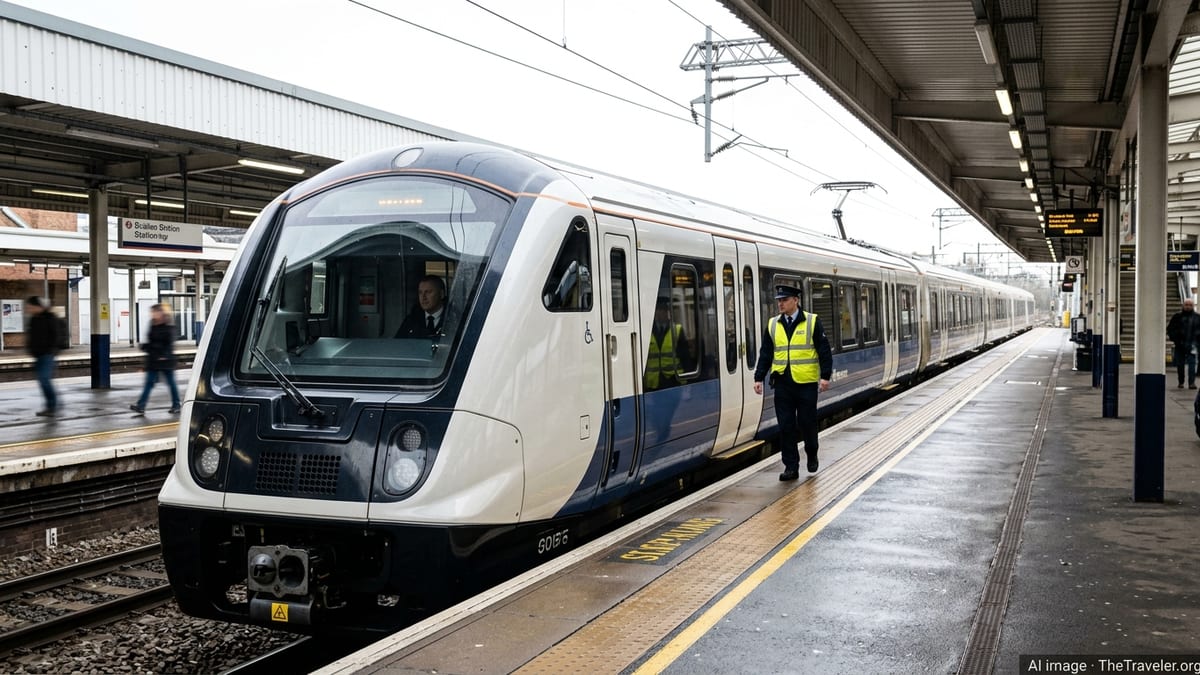
The United Kingdom has been swept into a record-breaking European heatwave, with temperatures forecast to challenge national records and Network Rail issuing a rare appeal for passengers to travel only if their journeys are essential as tracks and power systems strain under the extreme conditions.
Get the latest news straight to your inbox!
UK Heatwave Intensifies as Red Warnings Spread Across Europe
The current heatwave gripping Europe has pushed the United Kingdom into conditions more typical of southern Spain than late June in northern Europe. Publicly available forecasts indicate temperatures in parts of southern and central England could approach or exceed 38 to 40 degrees Celsius through Thursday, placing this spell among the hottest ever recorded in the country.
The UK Met Office has issued a red extreme heat warning for portions of southern England, south Wales and the Midlands, only the second time such an alert has been used for heat. The alert highlights a high risk to health, disruption to transport and pressure on energy infrastructure, underscoring how unusual such prolonged heat is for the British climate.
Across the Channel, France, Spain, Italy, Germany, Belgium and several other European destinations are already enduring similar conditions. National meteorological agencies in these countries have activated their highest heat alerts as temperatures widely approach or exceed 40 degrees, and in some inland areas in France and Spain climb towards 44 degrees.
Travel industry bulletins note that this combination of broad geographic extent and multi-day persistence sets the current event apart from typical summer hot spells, with the heat building rather than easing and overnight temperatures staying uncomfortably high in many cities.
Network Rail Issues Essential Travel Warning Amid Disruptions
In response to the rising temperatures, Network Rail has moved from standard hot-weather precautions to an unusually strong message urging passengers to travel only if their journeys are essential on the hottest days. According to publicly available service updates, the infrastructure manager expects significant speed restrictions, delays and cancellations on key intercity and commuter routes as rail temperatures climb well above the air temperature.
Steel rails can become more than 20 degrees hotter than the surrounding air, and engineers monitor critical thresholds at which tracks may expand and buckle. To reduce the risk of such damage and potential derailments, operators and infrastructure managers typically slow trains, limit the number of services and in some cases close vulnerable sections of line. Network Rail’s latest advisories state that these measures are likely to impact much of the network in southern Britain during the peak of the heatwave.
Train companies including Southeastern and other major operators are echoing the essential travel message and warning of widespread timetable alterations. Public statements describe additional staff on platforms, water distribution at busier stations and contingency plans for stranded passengers, but also stress that even with mitigation efforts, journeys may be significantly extended or disrupted at short notice.
Tourists relying on the rail network to reach coastal resorts, heritage cities and airports are being advised through operator channels to check services repeatedly on the day of travel, allow extra time and, where possible, rebook for earlier morning or later evening departures when track temperatures are lower.
France, Spain, Italy, Germany and Belgium Record Dangerous Highs
The United Kingdom’s heatwave is part of a wider pattern that has seen much of western and southern Europe move onto the highest alert levels for extreme heat. In France, large swathes of the country, including regions popular with summer visitors such as the Atlantic coast, Occitanie and the Paris area, are under red or orange heat alerts, with afternoon temperatures widely around 39 to 43 degrees.
In Spain, national forecasters have issued red warnings for interior regions and parts of Andalusia as highs are expected to touch 44 degrees in some valleys. Tourist cities such as Seville, Cordoba and Madrid are experiencing extended periods of intense heat, prompting local authorities to open cooling centers and restrict some outdoor activities during the mid-afternoon peak.
Italy is reporting widespread heat stress from the northern plains to central regions, with major cultural destinations such as Rome, Florence and Bologna seeing temperatures in the upper 30s and low 40s. In Germany, the heatwave is affecting both western and southern states, including the Rhine corridor and Bavaria, prompting health advisories and adjustments to outdoor events.
Belgium, where rail services and urban transport are heavily used by commuters and cross-border travelers, is also experiencing unusually high temperatures. Local media coverage describes timetable changes and slower-running trains as infrastructure managers seek to protect older track and power systems that were not designed for sustained heat of this intensity.
Tourism Destinations Grapple With Heat, Closures and Safety Advice
For travelers planning or already undertaking European summer trips, the heatwave is reshaping daily routines and in some cases forcing last-minute changes. Reports from across the continent indicate that popular attractions are adjusting opening hours, with some closing in the early afternoon and reopening in the evening to avoid the worst of the heat.
In several regions of France and Spain, local authorities have temporarily closed forested hiking areas and high-risk outdoor spaces due to heightened wildfire danger. Beach destinations on the Mediterranean and Atlantic coasts remain open but are dealing with crowding in the early morning and late evening as visitors try to avoid peak afternoon temperatures in unshaded areas.
City tourism boards in Italy, Germany and Belgium are amplifying guidance on heat safety, encouraging visitors to carry water, use sunscreen, stay in the shade during early afternoon hours and make use of museums, galleries and other indoor venues with cooling. Travel industry outlets also highlight the importance of checking hotel or rental accommodation for effective air conditioning or fans, particularly in older properties that may not have been retrofitted for extreme heat.
Short-notice changes to rail and domestic flight schedules are adding another layer of complexity. Airlines and train operators are advising passengers to register contact details, monitor apps and service alerts, and be prepared for rebooking options if infrastructure constraints or thunderstorms linked to the heat trigger sudden suspensions.
What Travelers Should Expect in the Days Ahead
Forecasts suggest that the heatwave will persist across much of western and southern Europe for several more days, with the most intense conditions in the United Kingdom expected between Wednesday and Thursday before a gradual easing. However, night-time temperatures are likely to remain higher than normal even after daytime highs begin to decline, especially in larger cities where the urban heat island effect traps warmth.
Travelers heading to or through the UK in the coming days should anticipate continued disruption on key rail corridors, particularly in southern England, and should factor in longer journey times and the possibility of last-minute cancellations. Those with flexible itineraries may wish to consider rebooking travel outside the hottest midday hours, or delaying non-essential journeys until the red heat warnings are lifted.
Across France, Spain, Italy, Germany, Belgium and neighboring countries, the combination of extreme heat, pressure on health services and stress on transport networks is likely to persist while temperatures remain near or above 40 degrees. Travelers are being encouraged through public advisories and tourism channels to stay informed via national meteorological services, transport operators and local government announcements.
For the wider tourism industry, the episode is reinforcing concerns about how rising summer temperatures are reshaping traditional travel seasons and putting additional strain on infrastructure built for a cooler climate. As Europe confronts another year of extreme conditions, visitors planning trips in the peak months may increasingly need to factor heat resilience, flexible transport plans and access to cooling into their itineraries.