


More news on this day
British holidaymakers heading to France this autumn are being urged to review updated government travel advice, as new guidance highlights the risk of sudden curfews, disruptive demonstrations and wider security concerns across the country.
Get the latest news straight to your inbox!
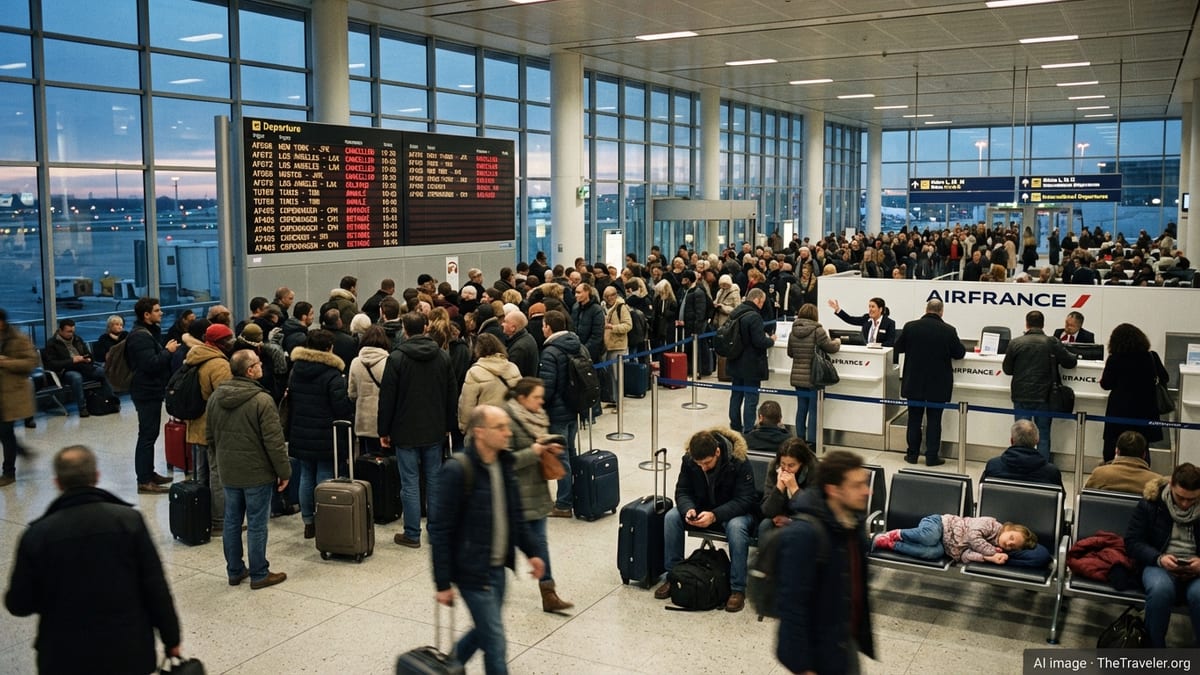
Fresh Foreign Office update focuses on curfews and unrest
The latest France travel advice on the UK government website, updated on 22 October 2026, draws attention to the possibility of local night-time curfews being imposed at short notice in response to recent unrest in major cities including Paris. The warning appears in the dedicated "Warnings and insurance" section of the guidance and is flagged as a recent change to the page.
Publicly available information explains that any curfews would be ordered by French authorities on a local basis, meaning conditions can vary between regions and even between different districts in the same city. Travellers are advised to check local media and pay close attention to announcements from town halls and prefectures if they are already in France or due to arrive shortly.
The advisory notes that France has experienced a series of demonstrations and politically charged gatherings, some of which have turned violent, particularly in urban centres. Coverage from outlets such as AOL and LadBible indicates that protests linked to domestic policy and cost-of-living concerns have triggered heavy police deployments and sporadic clashes, prompting the UK government’s reminder that disruption is possible even where no formal nationwide restrictions are in place.
Despite the heightened tone, the UK has not changed its overall stance on travel to France. There is no recommendation against non-essential travel, and package holidays and independent trips can generally continue as planned, though travellers are encouraged to build in flexibility in case evening movements are limited in specific areas.
Demonstrations, strike action and transport disruption
The updated guidance reinforces long-standing advice that demonstrations and industrial action are a regular feature of life in France and can occur with little advance warning. The safety and security section of the official travel advice points out that marches, rallies and union-led protests may affect central areas of Paris, Marseille, Lyon, Toulouse and other large cities, especially around government buildings and transport hubs.
Reports from recent weeks describe police cordons, blocked roads and tram lines, and temporary closures of metro stations during larger protests. While most gatherings remain peaceful, there have been instances of vandalism, burning debris and clashes between small groups of demonstrators and security forces. Publicly available information stresses that travellers should remain aware of their surroundings and move away from any situation that appears tense or volatile.
Industrial action, particularly in the transport sector, continues to pose practical challenges for visitors. Previous nationwide strike days have led to reduced timetables on the SNCF rail network, delays on regional services and disruption at airports. Canadian and European travel advisories also refer to planned “days of action” that can affect both domestic and international journeys, underlining the need for British travellers to reconfirm train and flight schedules before departure.
For city breaks, the advice highlights that demonstrations frequently take place at weekends and around symbolic locations such as major squares and boulevards. Visitors planning evening activities or late restaurant bookings are encouraged to allow extra time for cross-city journeys, particularly if curfews or road closures are introduced in response to local tensions.
Security climate and terrorism risk
The Foreign Office maintains that there is a general risk of terrorism in France, reflecting wider European security concerns. The safety and security pages refer to past attacks in public spaces, including incidents in central Paris and at tourist sites, as part of the rationale for advising heightened awareness in crowded locations.
Other national travel advisories, including those issued by Canada and Australia, echo this assessment and recommend that visitors remain attentive in places popular with tourists such as transport interchanges, stadiums, major shopping streets and cultural landmarks. Publicly available information from these governments notes that law enforcement in France often responds to perceived threats with visible security operations, bag checks and, at times, temporary area closures.
The current UK advice does not introduce new restrictions based on the terrorism threat but frames it as an important factor for personal risk assessment. Travellers are encouraged to keep belongings secure, avoid leaving bags unattended and be prepared for security screening at museums, attractions and large events. Guidance from multiple governments stresses that anyone caught up in a serious incident should move away from danger when it is safe to do so and follow instructions issued through official channels and local announcements.
For British nationals, the updated warning sits alongside broader global messaging that highlights the possibility of attacks targeting locations frequented by foreigners. The emphasis is on situational awareness rather than avoidance of travel, reinforcing that most visits to France continue without serious incident.
Practical implications for holiday and city-break plans
The lack of a formal “do not travel” or “essential travel only” notice means that standard holiday arrangements, including travel insurance, generally remain valid for trips to France. Coverage surveyed in UK media notes that, without such a high-level advisory, airlines and tour operators are not automatically required to offer penalty-free cancellations, and insurers may not accept claims based solely on general safety concerns or unease about protests.
This places a greater onus on travellers to monitor local conditions and consider flexible booking options. Travel writers and consumer reports recommend checking whether tickets and accommodation can be changed without heavy fees, particularly for late-night travel or stays in neighbourhoods that have recently seen unrest. Rail and airline apps, as well as station and airport noticeboards, are cited as important sources of same-day information on delays and cancellations.
The Foreign Office guidance also points to seasonal risks that may intersect with the current security situation. Wildfire warnings are in place for parts of southern France from April to October, which can occasionally lead to road closures, campsite evacuations or bans on access to certain forested areas. Travellers planning coastal or countryside stays are advised to consult regional prefecture announcements and heed any restrictions related to fire danger.
Urban visitors are reminded that French licensing laws and alcohol measures can differ from those in the UK, and that nightlife districts may be subject to enhanced policing when demonstrations or curfews are in effect. Observing local regulations on public drinking, noise and crowd gatherings can help avoid complications during periods of heightened tension.
What Brits should do before and during their trip
In its latest update, the UK government encourages anyone travelling to France to read the full official travel advice before departure and to sign up for email alerts in case the guidance changes again. This free alert system provides notifications when sections such as safety and security or entry requirements are amended, which can be particularly useful for those with trips booked several weeks in advance.
Travel advisories reviewed across several countries underline common themes for travellers: monitor trusted news sources, pay attention to local announcements and avoid areas where large crowds are gathering, especially after dark. Where curfews are introduced, visitors are expected to comply with the stated hours and to carry identification in case of checks.
British travellers are also encouraged to ensure that passports meet Schengen rules on validity and that they carry appropriate travel insurance covering medical treatment, delays and, where possible, disruption caused by strikes or civil unrest. Publicly available government information stresses that no overseas trip can be guaranteed safe and that individuals should always make final decisions based on their own health, mobility and tolerance for disruption.
For now, the updated warning reflects a more cautious tone rather than a fundamental shift in policy. France remains open to British visitors, but autumn and winter travellers are being asked to plan carefully, stay informed and be ready to adjust itineraries if protests, curfews or local security measures affect their chosen destination.