


More news on this day
Rail passengers across parts of Britain are being urged to travel only if absolutely necessary after Met Office heat warnings were extended, prompting operators to prolong reduced timetables and caution of further disruption.
Get the latest news straight to your inbox!
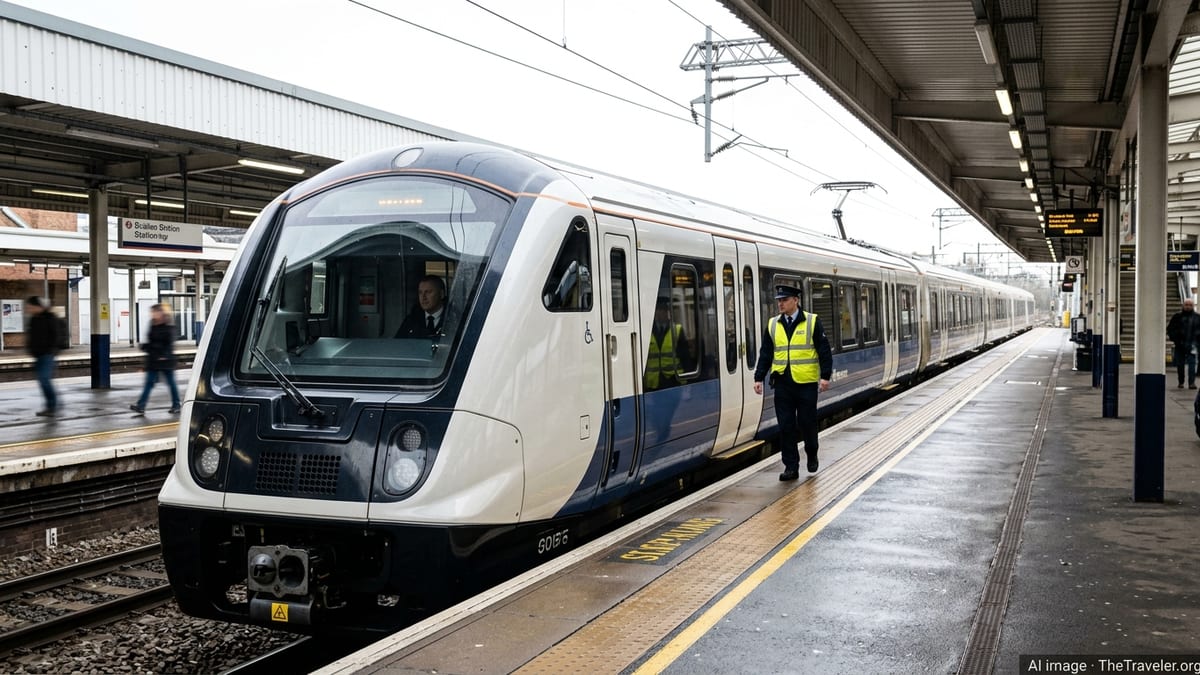
Warnings extended as heatwave disrupts key routes
Publicly available information from rail industry channels indicates that appeals for passengers to avoid non essential travel are being extended into Friday 26 June, after the Met Office prolonged its weather alerts for extreme heat over England and Wales. Network Rail route updates describe amended timetables and slower journeys on multiple main lines where track and overhead equipment face prolonged high temperatures.
Operational notices show that all lines in the West Midlands and Chiltern areas are expected to remain technically open, but services are running on significantly reduced schedules. In practice, this means fewer trains, longer gaps between departures and a heightened risk of short notice cancellations where infrastructure or rolling stock is affected by the heat.
Train company bulletins covering London Euston, key commuter corridors and long distance intercity services suggest that the strongest advice applies to passengers travelling into, out of or within the most affected warning zones. Travellers who do choose to make essential journeys are being asked to allow extra time, expect busy trains and be prepared for on board air conditioning systems to work harder than usual in the high temperatures.
Regional operators scale back timetables
Several operators across southern and central England are implementing amended timetables in response to the extended weather warnings. Statements from Network Rail’s regional media centres report that West Midlands and Chiltern routes will continue on reduced service patterns until at least the end of Friday, while London Euston services are subject to essential travel guidance as extreme heat persists.
In Kent and the South East, published updates from Southeastern explain that previous advice to avoid non essential travel has been carried forward to cover Friday, citing the impact of sustained heat on track conditions and signalling reliability. The company indicates that, although it intends to operate the majority of its planned services, speed restrictions and potential infrastructure faults are likely to cause short notice changes.
Service update pages for other operators, including airport links and intercity franchises, refer to similar measures, with trains running at reduced speed on some sections to protect rails and overhead lines. National Rail’s disruption summaries list multiple “only travel if absolutely necessary” notices, underlining that the message now covers a broad swathe of routes rather than isolated hotspots.
Why extreme heat is so disruptive to railways
Technical guidance from the Met Office and railway infrastructure managers highlights the physical stresses placed on rail systems during extended periods of high temperature. Steel rails can expand and, in some cases, buckle if temperatures significantly exceed the levels for which they were designed, particularly where track is exposed to direct sunlight for long periods. To manage this risk, speed limits are often imposed, which reduces capacity and increases journey times.
Overhead power lines on electrified routes can also sag in hot weather, increasing the likelihood of contact problems with train pantographs. At the same time, lineside equipment such as signalling cabinets, point motors and relay systems may overheat, leading to failures that require manual intervention and further restrict train movements.
Passenger‑facing facilities are not immune. Air conditioning systems on trains must cope with higher external temperatures, which can reduce their effectiveness, especially if units are older or working close to maximum capacity. Some rolling stock has built in temperature thresholds that trigger automatic protective shutdowns to prevent damage, which can leave carriages without cooling until systems are reset.
Advice for passengers who must travel
For those who cannot postpone their journeys, rail industry and weather service information channels are emphasising several practical steps. Passengers are advised to check journey planners and live departure boards on the morning of travel and again immediately before setting out, as amended timetables and disruption information continue to be updated at short notice while the heatwave persists.
Travellers are also encouraged to build additional time into their plans, particularly where journeys involve connections or multiple operators. With trains running more slowly and some services removed from schedules, missed connections are more likely, and staff at interchange stations may be managing larger numbers of passengers seeking assistance or alternative routes.
Comfort and health considerations are a key part of the current messaging. Guidance from meteorological and rail sources notes that passengers should carry water, wear light clothing and be prepared for crowded conditions on services that do run. Those with flexibility are being steered towards travelling earlier in the day or later in the evening, outside the hottest hours when disruption risks are greatest.
Impact on refunds, ticket flexibility and future travel
National Rail and individual operators are pairing the strong travel warnings with additional flexibility for ticket holders. According to publicly available customer information, many companies are allowing passengers who had booked for the worst affected days to travel on alternative dates or at different times, often without additional fees. Some are explicitly extending off peak tickets for use on other services to help spread demand away from peak heat periods.
Where “do not travel” or “only travel if absolutely necessary” notices are in place, operators are also setting out refund and exchange options for those who choose not to travel. Passengers are being directed to online claim forms and customer service channels, with assurances that unused tickets for cancelled or heavily disrupted services can often be refunded or rebooked.
Industry bodies and consumer groups have previously highlighted the importance of clear, early communication in such weather events, noting that decisive guidance can encourage passengers to rearrange journeys before disruption reaches its peak. The current extension of essential travel advice reflects growing recognition that extreme heat is now a recurring operational challenge for Britain’s railways, prompting fresh debate about long term investment in heat resilient infrastructure and rolling stock.