


More news on this day
The United Kingdom has updated its travel advice for the United Arab Emirates, reflecting heightened security risks and fast‑moving military developments in the Gulf as United States–Iran hostilities intensify around the Strait of Hormuz.
Get the latest news straight to your inbox!
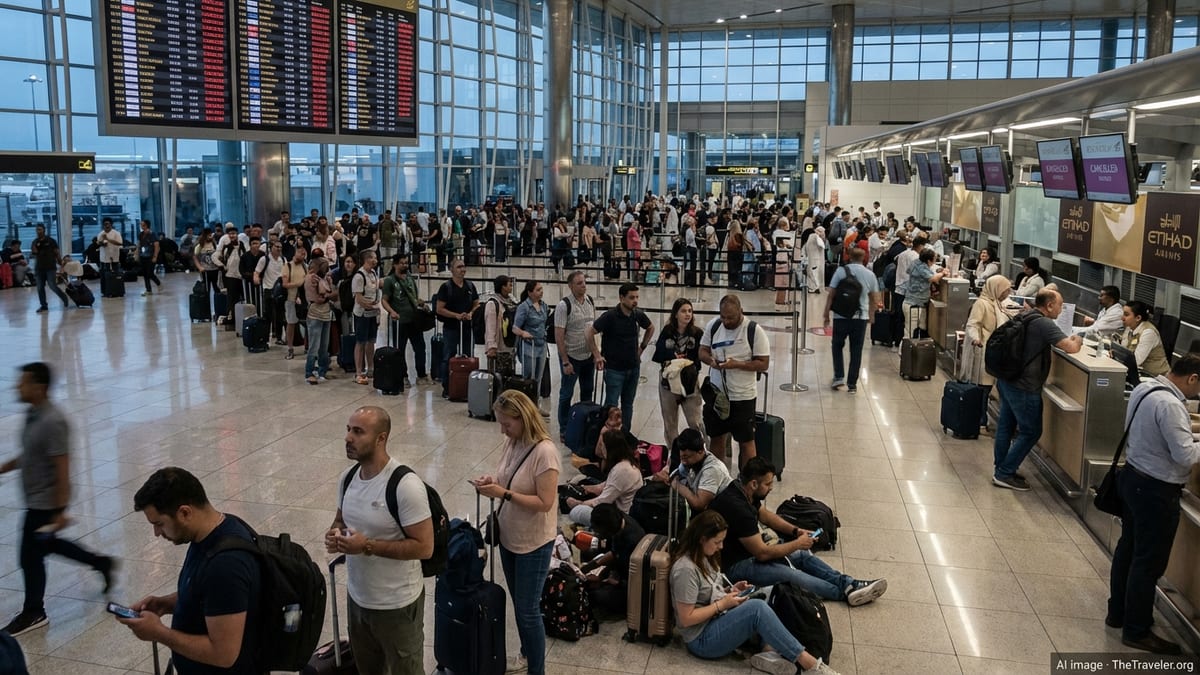
Revised guidance reflects shifting threat landscape
According to publicly available Foreign, Commonwealth and Development Office (FCDO) updates, the UK is recalibrating its assessment of travel to the UAE as part of a wider review of regional security linked to the US–Iran conflict. The changes follow months of missile and drone activity tied to Iran’s confrontation with the United States and its allies, as well as attacks on commercial shipping in and near the Strait of Hormuz.
Previous iterations of the UK’s UAE advice had focused primarily on the risk of terrorism and regional instability. More recent language places greater emphasis on the possibility of further missile or drone launches, disruption to air traffic, and short‑notice changes to flight operations as military tensions spill over into civilian travel patterns across the Gulf.
Travel advice documents indicate that British nationals are being urged to monitor local announcements closely, stay alert to regional developments involving Iran, and ensure they have contingency plans in place should the security situation deteriorate or air routes be temporarily affected.
While the UAE remains a key transit and tourism hub, the UK’s evolving wording highlights that the country’s proximity to current flashpoints makes it more exposed to the wider fallout from the US–Iran confrontation than in previous years.
Impact of US–Iran war on Gulf aviation and tourism
Reports from regional media show that tensions have intensified since new US strikes on Iranian targets followed attacks on commercial vessels in the Strait of Hormuz. The waterway is crucial to global trade and a primary corridor for flights connecting Europe, the Gulf and Asia, meaning any instability there can quickly reverberate through global aviation networks.
Coverage from outlets based in the UAE has described how residents and visitors are being briefed on emergency alerts and shelter‑in‑place procedures in the event of incoming missile or drone threats. This reflects a broader effort by Gulf states to balance the continued operation of airports and airlines with the need to reassure travellers about safety and preparedness.
For UK holidaymakers and business travellers, the updated advice does not amount to a blanket prohibition on visiting the UAE, but it does underline a more volatile operating environment. Insurance conditions, airline schedules and stopover plans may all be subject to rapid adjustment if the security picture worsens or if additional strikes further constrain air corridors over or near Iranian territory.
Travel industry analysts note that demand for trips to Dubai and Abu Dhabi remains resilient, but bookings are increasingly shaped by the perceived risk of regional escalation and the prospect of sudden changes to airspace usage around the Gulf.
Broader UK response to Iran heightens sense of risk
The travel advice update is unfolding against the backdrop of a wider hardening in the UK’s stance toward Iran. Parliamentary records and recent government announcements detail new measures targeting groups linked to Tehran, including moves to classify Iran’s Islamic Revolutionary Guard Corps as a terrorist organisation and sanctions on entities accused of orchestrating attacks in Europe and the Middle East.
Public statements from British and European officials in recent days have condemned Iranian involvement in attacks on commercial shipping and in strikes against states across the region. Diplomatic communiqués from the so‑called E3 group of European powers have stressed that Iran’s actions are seen as destabilising Gulf security and threatening international trade routes.
Although these policy steps are primarily political and security‑focused, they feed into the overall risk calculations that underpin FCDO travel assessments. The more adversarial the relationship between Western governments and Iran becomes, the more weight officials place on the possibility of retaliatory activity that could indirectly affect civilians in nearby states such as the UAE.
Analysts suggest that the UK’s sharper language on Iran, paired with ongoing military cooperation with the United States in the region, reinforces the perception that British interests and citizens could be at higher risk in the event of further escalation.
Practical implications for UK travellers in the UAE
For individuals planning trips, the latest UK advice points to the importance of preparation rather than panic. Travellers are encouraged by publicly available guidance to register for official alert services where possible, keep passports and essential documents readily accessible, and maintain flexible itineraries that can be adjusted if airlines alter routes or schedules at short notice.
Those already in the UAE are advised in open‑source guidance to familiarise themselves with local emergency procedures, including how to respond to sirens or mobile alerts related to missile or drone threats. Hotels and major attractions in Dubai and Abu Dhabi typically have security briefings and designated safe areas, and travellers are encouraged to seek information on these arrangements upon check‑in.
Insurance specialists note that policy wording has become increasingly important as regional tensions rise. Some insurers may require travellers to follow FCDO advice as a condition of cover, while others may exclude claims related to acts of war or terrorism. Prospective visitors are therefore being urged in public commentary to review their policies carefully before departure.
Travel experts also highlight the value of having multiple payment options, access to emergency funds, and clear communication plans with friends and family in case connectivity is disrupted or local authorities impose movement restrictions following a security incident.
Outlook: heightened vigilance as diplomacy falters
With diplomatic efforts to contain the US–Iran confrontation showing limited visible progress, most observers expect the Gulf security environment to remain tense in the near term. The pattern of strikes, counter‑strikes and threats to commercial shipping has created a climate of unpredictability that is likely to keep travel advisories under constant review.
For the UK government, the challenge will be to balance recognition of the UAE’s advanced air defences and crisis‑management capabilities with a realistic appraisal of the risks created by its geographic position close to Iran and key maritime chokepoints. Future updates to the FCDO pages may adjust language further as events unfold, particularly if missile launches or shipping disruptions intensify.
For British travellers, the updated advice serves as a reminder that even destinations perceived as highly developed and secure can be affected by wider geopolitical currents. Close attention to official guidance, flexible planning and an awareness of the evolving regional context will be central to navigating trips to the UAE while the US–Iran conflict remains unresolved.