


Ha Long Bay is one of Asia’s most iconic seascapes, a maze of limestone pillars rising from quiet green water in northeastern Vietnam. Cruising between its misty islets remains a highlight of any trip to the country, but the experience you have depends heavily on when you visit, which route you choose, and the kind of boat you board.
This guide brings together the latest on routes, regulations, safety and sustainability to help you plan the right Ha Long Bay cruise, understand the different island areas, and know exactly what to expect once you step on deck.
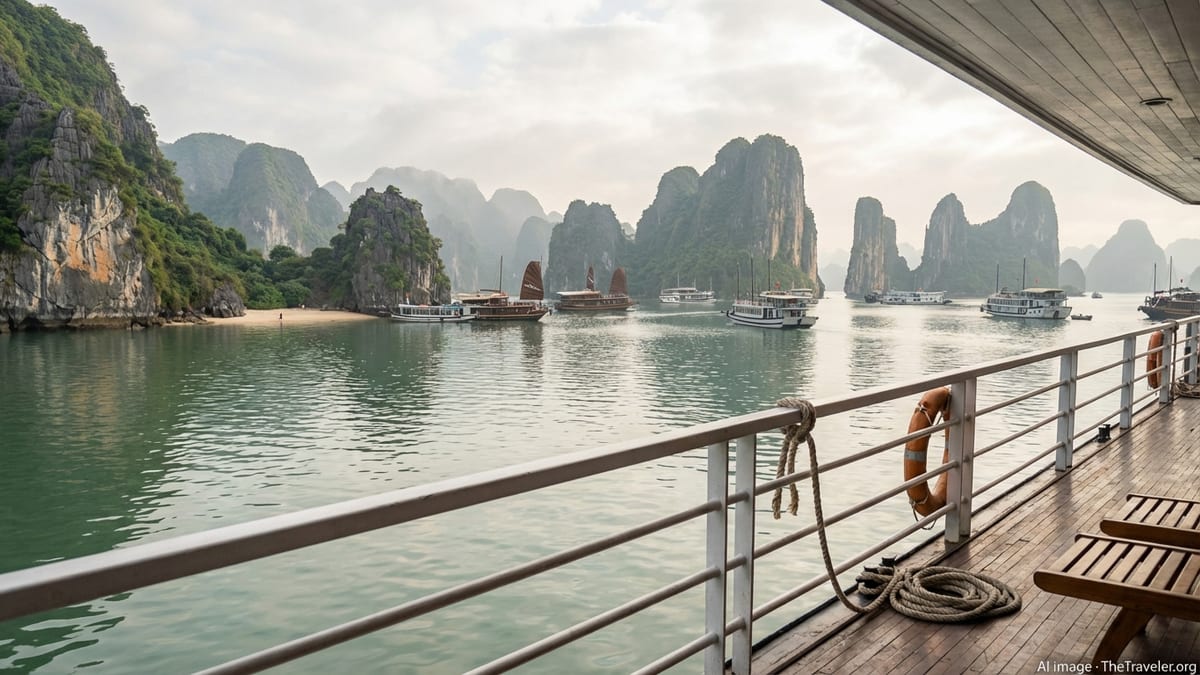
Understanding Ha Long Bay and Its Island Regions
Ha Long Bay lies in Quang Ninh Province, about 150 kilometers east of Hanoi, on the Gulf of Tonkin. The broader seascape contains nearly 2,000 limestone islands and islets, eroded into sheer cliffs, hidden lagoons and cathedral-like caves over millions of years. UNESCO first listed Ha Long Bay as a World Heritage Site in 1994 for its spectacular natural beauty and later extended recognition to its geological importance. More recently, nearby Cat Ba Archipelago was linked in a combined Ha Long Bay – Cat Ba World Heritage inscription, reflecting the drive to manage the wider marine ecosystem as a single natural property.
While visitors tend to refer to the whole area simply as “Ha Long Bay,” in practice the cruising grounds are divided into distinct zones with different characters. Classic Ha Long Bay is the most famous and busiest, with signature sights such as Trong Mai (Fighting Cocks) Islet, Thien Cung and Sung Sot caves, and Titop Island’s sandy beach and viewpoint. Just to the northeast, Bai Tu Long Bay offers similar limestone scenery but fewer boats and a quieter feel, while the Lan Ha Bay area, south of Cat Ba Island, combines karsts with traditional floating fishing villages and a growing number of mid-range and high-end cruise operators.
Authorities have been reworking zoning and master plans for the broader bay through the 2020s, aiming to spread tourist pressure more evenly and limit heavy development along sensitive coastlines. Core protected zones, buffer areas and designated shipping routes now shape where cruise boats may anchor, which caves can be visited, and at what times. For visitors, this means you will still see the famous postcard vistas, but itineraries may look more structured than older guidebooks suggest, with regulated time slots and activity windows designed to protect the environment.
When To Visit: Seasons, Weather and Crowds
Ha Long Bay is a year-round destination, but conditions shift markedly between Vietnam’s tropical monsoon seasons. Broadly, April to October is hot and humid, while November to March is cooler and drier. Within that framework, different months suit different priorities such as swimming, photography, quiet decks or lower prices.
Spring and autumn are often considered the most balanced seasons. From March to May, temperatures are warm but not oppressive, and the bay can be wrapped in ethereal morning mist that makes for atmospheric photographs, even if visibility is lower at times. September to November typically brings clearer skies, moderate temperatures and calmer seas, popular with travelers who want reliable cruising weather without the peak winter crowds. Travel operators report that autumn months especially are favored for kayaking, hiking viewpoints and longer itineraries because rain is less frequent and storms less likely than in high summer.
Summer from June to August is the classic beach season, with hot temperatures and warm water ideal for swimming and water sports. The trade-off is that this is also the typhoon and tropical storm window in the Gulf of Tonkin. Short, intense downpours are frequent, and on some days local authorities cancel or curtail cruises for safety. These disruptions can be frustrating if you are on a tight schedule, but they are a necessary response to rapidly changing conditions that can include squalls and high winds. If you visit in this period, build flexibility into your plans and expect potential last-minute changes to your departure times or route.
Winter from December to February is cooler, often around 15 to 20 degrees Celsius, with gray skies and fog common. The water is chilly for swimming, but the mist draping the limestone peaks has its own romantic appeal. This period sees fewer domestic visitors, although international arrivals often peak around Christmas and Lunar New Year, which can push prices up despite the cooler weather. If you prefer quiet decks, cozy cabins and introspective scenery to sunbathing, winter can be a rewarding time to cruise, but pack layers and manage expectations around sunshine.
Cruise Types and Itineraries: Choosing the Right Experience
The most important decision you will make about Ha Long Bay is not just when to go, but what kind of cruise to take. Options range from budget day boats that spend a few hours zigzagging between islands to multi-night itineraries on sleek steel yachts. Each style offers a different balance of time on the water, comfort, and cost.
Day cruises are the shortest and cheapest option, popular with travelers based in Hanoi who have limited time. Typically they involve an early morning road transfer to one of the ports around Ha Long or Hai Phong, four to six hours on the bay, one cave or island stop, a simple onboard lunch and a return to the city in the evening. On a clear day, a day cruise delivers a satisfying overview of the scenery, but you will share the main viewpoints with many other boats and spend as much time on the road as you do on the water. This format suits visitors who need to tick Ha Long Bay off a busy Vietnam itinerary more than those seeking serenity.
Overnight cruises, usually one night and two days, are the standard recommendation for a fuller experience. You board around midday, cruise to a cluster of islands for kayaking or cave visits, enjoy sunset on deck, then wake to quiet morning light among the karsts before returning to port after an early lunch. Cabins range from compact but clean rooms on older wooden junks to spacious suites with balconies and bathtubs on modern vessels. A one-night cruise is often enough to feel you have escaped the shore and seen both daytime and nighttime moods in the bay.
For travelers with more time and budget, two-night, three-day itineraries push deeper into quieter corners of Bai Tu Long or Lan Ha bays, or combine Ha Long with land-based stays on Cat Ba Island. These programs tend to move at a more relaxed pace, include more kayaking and village visits, and may offer activities such as biking on island paths or longer hikes to viewpoints. The extra day also acts as a buffer against weather disruptions, which can be reassuring in the more unsettled months. If Ha Long Bay is a central highlight of your Vietnam journey rather than a side trip, a longer itinerary is often worth the investment.
On Board: Cabins, Meals and Daily Life at Sea
Once on the water, life quickly falls into a rhythm: cruise, explore, eat, sleep, repeat. Most overnight boats follow a similar structure, but the level of comfort and service varies significantly between budget, mid-range and luxury operators. Understanding what is typically included helps set realistic expectations and avoid surprises.
Cabins on traditional-style wooden junks are compact, with space for a double or twin bed, small wardrobe and en suite bathroom. Air conditioning is standard at night, and windows may open directly onto the water, though views can be partly blocked by neighboring boats when anchored in popular bays. Newer steel and composite vessels often feature larger cabins with floor-to-ceiling windows, private balconies and upgraded bathrooms. Families can book adjoining rooms or dedicated family cabins, sometimes with extra beds or pull-out sofas for children.
Meals are usually served set-menu style in a communal dining room. Expect Vietnamese seafood dishes such as grilled squid, steamed clams and whole fish alongside vegetable stir-fries, rice, and occasional Western touches. On higher-end boats, menus are more elaborate, and buffets at breakfast or lunch are common. Many operators now highlight their ability to accommodate dietary requirements, from vegetarian and vegan to gluten-free and halal, but advance notice is essential so crews can stock appropriate ingredients. Drinks are almost always extra, and bar prices can be higher than on shore, so factor that into your budget.
The daily schedule typically starts with an early breakfast, followed by the main excursions of the day, then a return to the boat for lunch and cruising through new scenery. Afternoons might feature more visits or simply time to relax on deck. Evenings bring dinner, sometimes followed by low-key activities such as cooking demonstrations, squid fishing from the stern, or short talks about local history and geology. Wi-fi, where offered, is often intermittent; part of Ha Long Bay’s appeal lies in disconnecting from screens and watching the silhouettes of islands slide by instead.
Key Sights, Activities and Side Trips
Despite its size, Ha Long Bay’s tourist activity is concentrated in a handful of showcase sites, complemented by a menu of outdoor experiences on and in the water. While specific stops vary by cruise and by which part of the bay you sail, there is a recognizable roster of highlights that appear on many itineraries.
Cave visits are a core feature. Sung Sot (Surprise Cave) is one of the most famous, with a broad entrance and well-lit chambers filled with stalactites and stalagmites. Thien Cung (Heavenly Palace Cave) and Dau Go (Wooden Stakes Cave) are other dramatic grottos, carved into island interiors by millennia of water action. Access involves climbing stone steps and walking along paved paths, so reasonable mobility and sturdy footwear are important. At busy times, these caves can feel crowded, but the scale of the chambers and the way light plays over the rock formations still make a strong impression.
Beach stops and viewpoints add a more relaxed dimension. Titop Island, endowed with a sandy crescent of beach and a stepped path up to a panoramic lookout, is a classic stop in central Ha Long Bay. In Lan Ha and Bai Tu Long bays, smaller, less-developed beaches offer quieter swimming and sunbathing. Kayaking is another highlight throughout the region, giving you the chance to slip into narrow channels between cliffs, paddle under low arches and into sheltered lagoons, and get closer to the bay’s subtle details, from crabs scuttling over rocks to orchids clinging to vertical walls.
Many cruises include cultural or local life components. Visits to remnant floating fishing villages, now more regulated and partly reconfigured into community-based tourism projects, allow guests to see how families once lived and worked entirely on the water. Some itineraries in the Lan Ha and Cat Ba area add bike rides through rural valleys, where you can glimpse small farms and karst landscapes from a different angle. For travelers combining Ha Long with a stay on Cat Ba Island, the island’s national park offers hiking trails to forest lookouts and the chance to see wildlife such as langurs, though sightings are never guaranteed.
Safety, Regulations and Environmental Responsibility
Ha Long Bay tourism has grown quickly over the past two decades, and with that growth have come concerns over safety and environmental impact. Authorities and cruise operators have been tightening rules and upgrading standards, but visitors should understand the basic framework and play their part in traveling responsibly.
All tourist boats are subject to licensing, safety inspections and route permissions administered by local maritime authorities. Vessels are required to carry life jackets, fire safety equipment and communication systems, and to respect restrictions on overnight anchoring zones, passenger numbers and crew training. In recent years, new initiatives have emphasized centralized ticketing, integrated visitor management and ecologically informed limits on the number of boats allowed into certain areas at any one time. These changes may lead to stricter departure times and more structured stopovers, but they are intended to prevent overcrowding and reduce pressure on fragile sites.
Weather-related safety has become a particular focus. In the hottest months, when localized storms and squalls can form quickly over the gulf, authorities monitor forecasts closely and may cancel sailings at short notice if conditions deteriorate. While this can disrupt travel plans, incidents on the water have demonstrated why caution is necessary. Travelers should be prepared to accept schedule adjustments, listen to crew instructions in changing conditions and resist the temptation to pressure operators into going out when authorities advise against it. Booking with reputable companies that prioritize safety over squeezing in one more departure is a crucial step you can control.
Environmental measures are gradually improving as well. Programs have worked to phase out coal-related industrial activity near sensitive areas, expand wastewater treatment, and tighten controls on plastic waste from boats and shoreline development. Cruise companies are increasingly judged on their waste management, fuel efficiency and support for conservation initiatives. As a visitor, simple steps such as carrying a refillable water bottle, refusing unnecessary plastic, and following “leave no trace” principles on island visits make a real difference in a closed marine environment like Ha Long Bay.
Planning, Budgeting and Practical Expectations
Planning a Ha Long Bay cruise involves more than just picking dates and a boat. Transfer logistics, price structures and booking channels all shape your experience. Understanding how the market is organized helps you avoid common frustrations and get better value for your budget.
Most travelers depart from Hanoi, with journey times to Ha Long or Hai Phong ports ranging from about two to three hours by road, depending on traffic and which harbor you use. Many cruise packages bundle round-trip transfers from central Hanoi hotels, using shuttle buses or private cars, into the total price. If you arrange your own transport, check carefully which pier your cruise uses, as there are several terminals serving different parts of the bay. Arriving early reduces stress and gives you breathing room in case of road delays.
Pricing varies widely. Budget day trips can be comparatively inexpensive and sometimes aggressively marketed in Hanoi’s Old Quarter, but often involve large group sizes and basic service. Mid-range overnight cruises, which many travelers consider the sweet spot, usually include all meals, most activities and standard cabin accommodation, with drinks, tips and certain premium activities charged separately. High-end operators add larger cabins, finer dining, spa facilities and lower passenger-to-crew ratios, and price accordingly. As with many popular destinations, it is wise to be skeptical of deals that seem far below prevailing market rates, as corners may be cut in maintenance, staffing or food quality to make those numbers work.
Booking channels range from online travel agencies and cruise aggregators to local Vietnamese tour companies and direct reservations with cruise brands. Using a reputable intermediary can be reassuring if you want pre- and post-cruise services packaged together, such as Hanoi hotels or airport transfers, while direct booking with well-reviewed operators sometimes unlocks clearer communication and more flexible policies. Whatever route you choose, scrutinize inclusions, cancellation terms and small-print restrictions around weather-related changes. In peak months, popular mid-range and luxury cruises can sell out weeks in advance, so last-minute bargains are more likely at the budget end of the market than on the most sought-after vessels.
The Takeaway
Ha Long Bay remains one of Southeast Asia’s signature landscapes, and a cruise among its limestone towers is still a powerful travel experience. The key to enjoying it fully is to match your expectations to the realities of a busy World Heritage site and to the rapidly evolving framework of regulations designed to protect it. Choose your season with care, understanding the trade-offs between sun and storms, crowds and quiet decks. Decide how deeply you want to immerse yourself, from a short day trip to a slower, multi-night itinerary that reaches quieter corners of Bai Tu Long or Lan Ha Bays.
On board, focus on the essentials: a safe, well-maintained boat, clear communication about weather and activities, and a crew that treats the bay as more than a backdrop. If you arrive prepared for early starts, variable skies and structured itineraries, the rewards are rich: silent mornings as mist lifts off the water, the cool shade of vast caverns, the rhythm of paddles dipping into sheltered lagoons, and evenings spent watching the silhouettes of islands fade into the dark. By traveling thoughtfully and supporting responsible operators, you help ensure that Ha Long Bay’s fragile beauty remains intact for the generations of travelers who will follow.
FAQ
Q1. How many days do I really need to experience Ha Long Bay properly?
Most travelers find that an overnight cruise of one night and two days offers a satisfying balance between time and cost, giving you at least one sunset and one sunrise on the water. If Ha Long Bay is a priority and you enjoy slow travel, adding an extra night allows you to reach quieter areas, fit in more kayaking or village visits, and have a buffer if weather disrupts part of your itinerary.
Q2. Is Ha Long Bay safe to visit given concerns about storms and boat accidents?
Ha Long Bay is generally safe when you travel with licensed operators who comply with local regulations and respect weather advisories. Authorities now monitor conditions closely and may cancel or curtail sailings if storms threaten, which can be disruptive but is an important safety measure. As a traveler, you can reduce risk by choosing reputable companies, checking that safety briefings and life jackets are provided, and following crew instructions in changing conditions.
Q3. What is the best time of year to visit if I want good weather and fewer crowds?
For many visitors, the most balanced periods are spring (around March to May) and autumn (around September to November). These months typically offer mild to warm temperatures, manageable humidity and relatively stable seas, with fewer domestic holiday crowds than in peak summer or major festival periods. Within those windows, midweek departures often feel calmer and can occasionally be better value than weekend sailings.
Q4. Should I choose Ha Long Bay, Bai Tu Long Bay or Lan Ha Bay for my cruise?
Classic Ha Long Bay is the most famous and has the best-known landmarks, but it is also the busiest. Bai Tu Long Bay offers similar karst scenery with fewer boats and a more tranquil ambience, which many repeat visitors prefer. Lan Ha Bay, near Cat Ba Island, combines dramatic limestone islands with village and island experiences and is well suited to travelers who want a slightly off-the-main-route feel while still enjoying good cruise options.
Q5. Are day trips from Hanoi worth it, or is an overnight cruise much better?
A day trip can be worthwhile if you are short on time, as you will still see the main seascapes and possibly visit a cave or island. However, the schedule is tight, and you spend many hours on the road. An overnight cruise allows you to see the bay at quieter times, enjoy sunrise and sunset on the water and move at a more relaxed pace. If your itinerary allows, staying at least one night on board usually delivers a significantly richer experience.
Q6. How much should I budget for a quality Ha Long Bay cruise?
Prices vary widely, but as a broad guide, a basic day cruise can be relatively inexpensive, while a mid-range one-night cruise with transfers and meals might sit in the middle of a typical Vietnam daily budget. High-end or luxury cruises cost more, reflecting upgraded cabins, finer dining and lower passenger numbers. When comparing prices, pay attention to what is included, such as transfers, entrance fees, activities and drinks, and be cautious of very low offers that may compromise on maintenance or service.
Q7. Will I get seasick on a Ha Long Bay cruise?
The waters of Ha Long Bay are usually sheltered and calm, especially outside of stormy periods, so serious seasickness is uncommon. That said, individual sensitivity varies, and choppy conditions can occur during seasonal weather changes. If you are prone to motion sickness, consider bringing medication, choosing a larger, more stable boat, and requesting a cabin on a lower deck toward the middle of the vessel.
Q8. What should I pack specifically for a Ha Long Bay trip?
Pack light, breathable clothing in warmer months and a warm layer or light jacket for cooler evenings and winter cruises. Comfortable walking shoes or sandals with good grip are important for cave visits and island steps, and swimwear is useful in the hotter season. A hat, sunscreen and reusable water bottle are recommended year-round, while a light rain jacket is helpful in the summer rainy season. Carry valuables in a small day bag you can take ashore during excursions.
Q9. Can special diets such as vegetarian, vegan or halal be accommodated on board?
Many mid-range and higher-end cruise operators can accommodate common dietary requests, including vegetarian, vegan and certain religious dietary requirements, provided they receive details well in advance. In some cases, ingredients may be adapted versions of standard Vietnamese dishes rather than entirely separate menus. To avoid misunderstandings, communicate your needs clearly when booking and confirm again with the crew upon boarding.
Q10. How can I minimize my environmental impact while visiting Ha Long Bay?
You can travel more responsibly by choosing cruise companies that emphasize sustainable practices, such as proper waste treatment, limits on plastic use and support for conservation programs. On a personal level, bring a refillable bottle, decline single-use plastics, avoid throwing anything overboard, and stick to marked paths on island visits. Treat caves and beaches as fragile environments rather than playgrounds, and remember that every small action, multiplied by thousands of visitors, affects the long-term health of the bay.