


More news on this day
A FedEx employee from Dallas has died after a Union Pacific train struck a FedEx delivery van at a rural railroad crossing in Hill County, Texas, highlighting renewed concerns over road-rail safety along freight corridors connecting North Texas communities.
Get the latest news straight to your inbox!
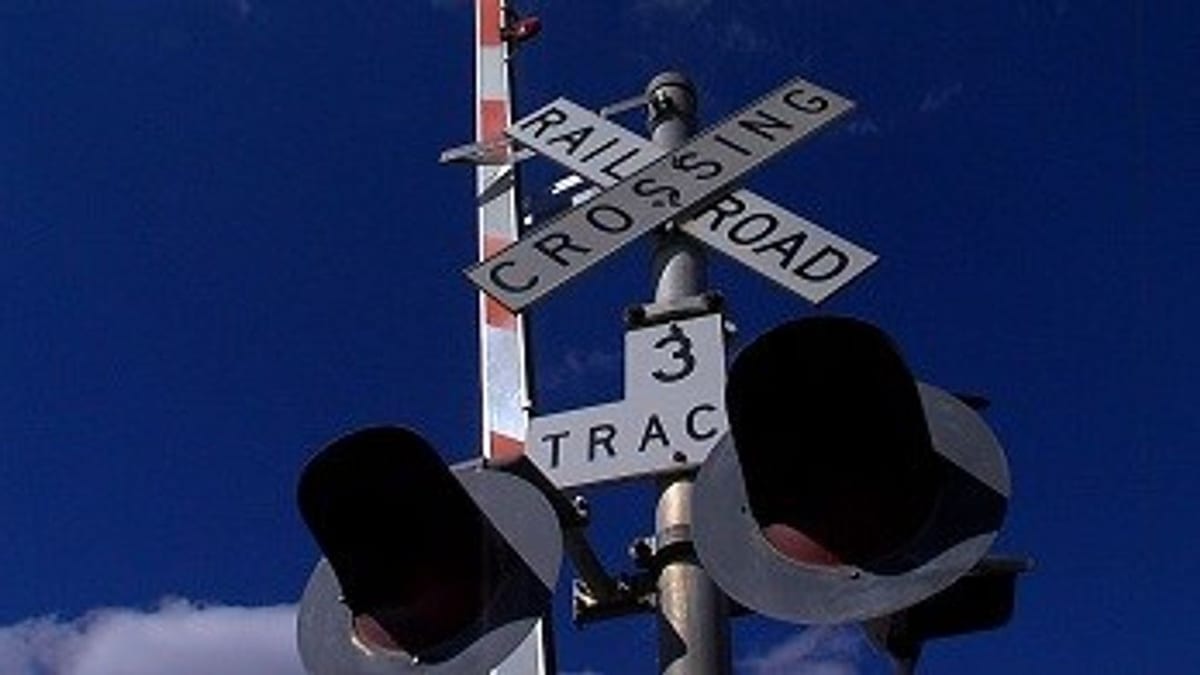
Crash Near Itasca Leaves One Dead and Others Hurt
The collision occurred Thursday near the community of Itasca in Hill County, roughly an hour south of the Dallas Fort Worth area. Publicly available information indicates that the FedEx vehicle was traveling across the tracks when it was hit by a Union Pacific freight train, sending debris along the right of way and halting rail traffic through the area for several hours.
Initial coverage from regional outlets described a violent impact that pushed the step-van down the tracks before the train came to a stop. Aerial footage circulated by local broadcasters showed the FedEx vehicle heavily damaged and resting near the rail line as investigators documented the scene and rail crews assessed the train.
Two people inside the van were reported injured in the immediate aftermath and transported from the scene in critical condition. By Friday, subsequent reports indicated that the passenger, identified as a 25 year old FedEx worker from Dallas, had died from injuries sustained in the crash, turning what began as a rescue operation into a fatal transportation incident.
The train crew remained with the freight consist as emergency responders worked around the crossing. There were no early indications of serious injuries among railroad personnel or hazardous materials releases from the freight cars involved.
Rural Crossing Highlights Ongoing Safety Gaps
The crash location, near a modest crossing outside Itasca, underscores longstanding safety concerns at road rail intersections that connect smaller Central Texas towns with the broader interstate highway network. Many such crossings lie along heavily used freight routes that serve the Dallas Fort Worth region yet are bordered by open fields, light industrial sites, or lightly traveled county roads.
According to publicly available mapping and recent news coverage, the crossing where the FedEx van was struck features standard rail warning infrastructure but not the higher level of protection often seen at urban intersections. Safety advocates frequently point to differences in signage, gates, and visibility between metropolitan and rural crossings as contributing factors in collisions involving freight trains and road vehicles.
Union Pacific operates extensive freight traffic through Hill County as trains move between North Texas and points south and west. The corridor mixes long, heavy trains with local traffic patterns that include commercial trucks, agricultural equipment, and delivery vehicles such as the FedEx van involved in this crash. For drivers unfamiliar with individual crossings or train schedules, the combination can present added risk, particularly where long sightlines are interrupted by vegetation, structures, or roadway curves.
While the exact sequence of events at the Itasca area crossing remains under review, the collision has renewed local discussion about how rail infrastructure, warning systems, and driver awareness intersect along busy freight lines that parallel state highways and service roads.
Impact on FedEx Workforce and North Texas Logistics
The victim, identified in news reports as a 25 year old Dallas resident working for FedEx, was part of the vast delivery network that connects regional distribution hubs with homes, farms, and small businesses across Central Texas. The loss has reverberated through colleagues and the wider delivery community, who routinely share the same routes, crossings, and roadside conditions.
FedEx contracts and direct operations in North Texas rely on daily movement of drivers across multiple rail lines, including those owned by Union Pacific. Many of these routes pass through communities like Itasca, where interstate travelers, local residents, and commercial carriers converge at crossings that were designed long before the current volume of truck and van traffic.
Publicly available information on the Dallas based worker’s background remains limited, but coverage has emphasized that the employee was in the early stages of a logistics career. For other drivers working similar schedules, the crash is a stark reminder of how split second decisions at rail crossings can have life altering consequences, even on familiar routes.
Travelers heading between Dallas Fort Worth and Central Texas communities may see lingering operational effects as investigators and rail crews complete their work and as delivery companies adjust routes or schedules around the incident site.
Rail and Road Safety Under Renewed Scrutiny
The Hill County crash arrives amid an ongoing national conversation about rail safety and the interaction between heavy freight trains and road traffic in fast growing regions. North Texas, with its expanding suburbs and logistic hubs, has seen rising volumes of both long haul trucks and delivery vans, placing additional pressure on aging crossing infrastructure.
Transportation safety data regularly show that collisions between trains and road vehicles, while relatively infrequent compared with other types of crashes, are disproportionately deadly because of the weight and stopping distance of freight trains. Even at moderate speeds, trains require a long distance to halt, leaving little margin once a vehicle is on the tracks.
In the wake of the Hill County incident, published commentary in regional media has raised questions about how quickly improvements such as upgraded active warning systems, better sightlines, and enhanced driver education can be deployed at crossings that see both rural traffic and commercial carriers like FedEx. Some coverage has also highlighted the challenges smaller counties face in funding major infrastructure upgrades, even at high risk rail intersections.
For travelers, the crash serves as a reminder that rail crossings along secondary highways and local roads demand the same caution as those in urban centers. As freight traffic continues to move through Hill County and the broader Central Texas region, the intersection of trains, trucks, and delivery vans will remain a critical focus for safety advocates and transportation planners.
Community Response and Next Steps
In Hill County and the wider Dallas Fort Worth area, the death of a young logistics worker has prompted condolences and expressions of support for the victim’s family and coworkers. While formal statements from companies and agencies are being handled through official channels, community responses documented in local coverage reflect a mix of grief, frustration, and calls for practical changes at similar crossings.
Residents who use the rural roads around Itasca have expressed renewed attention to the rail line that cuts across local routes, particularly for those who commute or make regular deliveries. Discussions in local forums and regional media have pointed toward the need for consistent driver education on train speeds, the dangers of trying to beat a train across the tracks, and the importance of treating every crossing as potentially active, regardless of perceived train frequency.
As investigators continue to review physical evidence, train data, and witness accounts, any formal findings could inform future safety measures on the Union Pacific corridor through Hill County. Over time, these reviews may influence how crossings are prioritized for upgrades or operational changes across the region.
For now, the crash stands as another tragic entry in the record of road rail collisions across Texas, underscoring how a single moment at a crossing can reshape lives far beyond the rural intersection where steel rails meet a county road.