


More news on this day
United Airlines has completed a fresh expansion of its Denver Flight Training Center, a sprawling campus in Colorado that publicly available information describes as the largest pilot training facility in the world, underscoring both the airline’s aggressive hiring plans and Denver’s growing influence in global aviation.
Get the latest news straight to your inbox!
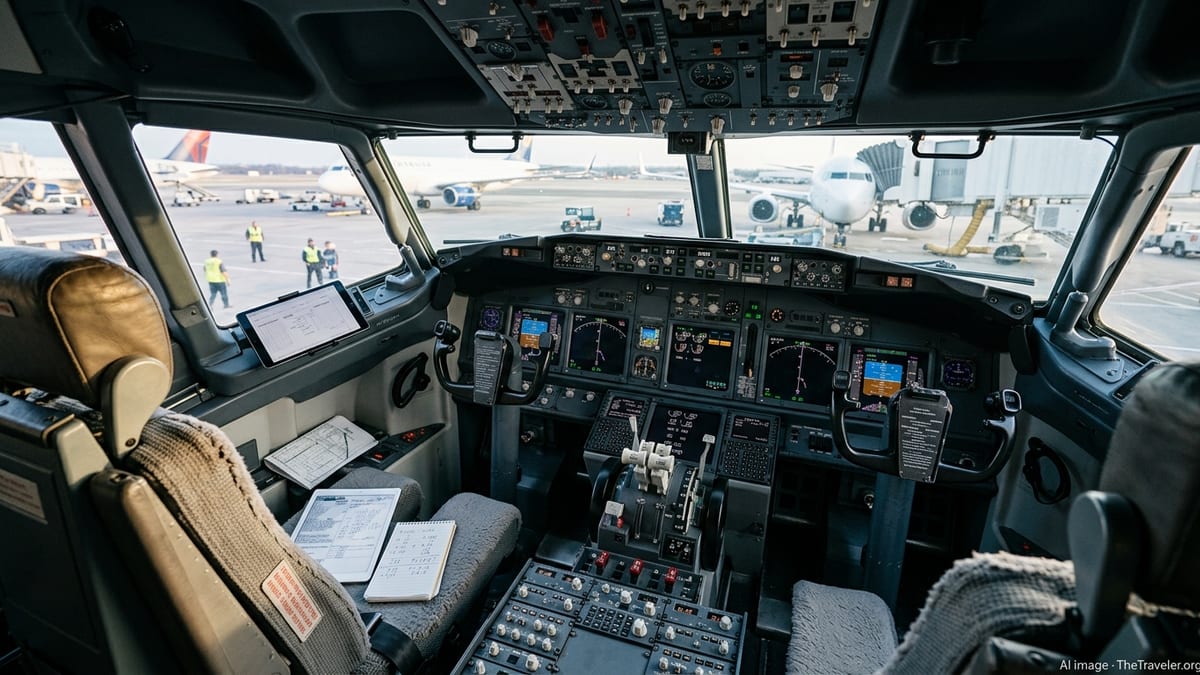
A megacampus built for a decade of pilot hiring
United’s pilot training hub in Denver’s Central Park neighborhood has been growing steadily for years, but recent additions have turned it into what reports describe as a megacampus dedicated to cockpit crews. Company statements and local coverage indicate that the complex now spans multiple buildings across more than 20 acres and hosts dozens of full-motion and fixed-base simulators for every major aircraft type in the airline’s fleet.
United’s latest phase, completed in partnership with simulator specialist CAE, adds dozens of new training devices and expands capacity for initial qualification and recurrent training. The enhancements build on a 150,000 square foot building that opened in 2024, designed to house up to 12 additional advanced full-motion simulators and associated briefing rooms.
According to published corporate materials, every United pilot cycles through the Denver center at regular intervals for mandatory simulator checks, while all new hires complete their initial airline training on the campus. The new facilities are intended to keep pace with a multi-year fleet and hiring plan that includes hundreds of new aircraft and thousands of additional pilots over the coming decade.
Industry analysis notes that the scale of the Denver site now rivals or surpasses other airline training centers worldwide, positioning it as a central asset in United’s strategy as the carrier competes for cockpit talent amid a long-forecast pilot shortage.
Why United’s largest pilot school is in Colorado
Denver’s location near the geographic center of the continental United States is frequently cited in public coverage as a key reason for United’s investment in the city. The Flight Training Center sits within a short drive of Denver International Airport, one of the airline’s busiest hubs and among the world’s leading airports by passenger volume.
Operating a global pilot training campus in Colorado allows United to funnel crews from every hub through a single site, simplifying logistics and standardizing instruction. The city’s extensive air service, including dense connections across the United network, supports efficient rotation of pilots who must visit the center at least once every nine months for simulator checks, according to company-facing recruitment information.
Local business reporting indicates that the training complex has become a significant contributor to Denver’s aviation economy. Hotel stays, transportation services and local spending by visiting crews generate tens of millions of dollars in economic activity each year, adding to the impact of the airline’s large hub operation at Denver International Airport.
For the state of Colorado, the facility has also become a flagship example of how aviation training, not just passenger traffic, can anchor long-term economic development around major airports.
Inside the world’s largest pilot training facility
Descriptions from media tours and official materials paint a picture of a closed-campus environment built to simulate nearly every aspect of airline flying. Full-motion simulators replicate cockpits for narrowbody and widebody aircraft, while fixed training devices and computer-based classrooms cover systems, procedures and emergency scenarios.
Pilots typically move through a mix of classroom work, simulator sessions with instructor oversight, and formal evaluations that determine their qualification to operate specific aircraft types. The campus also includes spaces for briefing and debriefing, as well as dedicated areas for examining rare or complex operational scenarios that are difficult to train for in a real aircraft.
The newest building on the site was designed with future growth in mind, allowing room for additional simulators as United takes delivery of new models and updates its fleet. Public information suggests that the training center can handle hundreds of pilots per day at full utilization, making it a core bottleneck the airline must expand to support its growth plans.
Environmental and design details highlighted in company responsibility reports point to efficiency upgrades such as solar installations and modernized building systems, aligning the Denver campus with broader sustainability goals the airline has set for its ground facilities.
Supporting United’s global growth strategy
The expansion of the Denver training complex is closely tied to United’s broader network and fleet strategy. The airline has outlined large aircraft orders under its multi-year growth plan and continues to add international routes from key hubs, intensifying demand for both new pilots and recurrent training capacity.
Recruitment materials promote the Denver Flight Training Center as a differentiator in attracting pilots, emphasizing its size, technology and centralized role in the airline’s operations. For experienced aviators and aspiring pilots alike, the facility serves as a visible symbol of long-term investment in training infrastructure, which industry observers note can be a deciding factor when choosing among major carriers.
As United targets additional long-haul and domestic capacity, simulator hours become a critical constraint. The additional devices and floor space in Denver increase the number of check rides and training events the airline can conduct each day, providing more flexibility to bring on new pilots while maintaining recurrent sessions for existing crews.
Analysts also point out that robust training capacity can improve operational resilience. With more simulator time available, airlines can accelerate retraining when pilots transition between aircraft types or return from leaves, helping carriers adapt to shifts in demand or fleet composition.
Implications for Denver’s aviation future
United’s decision to concentrate what is described as the world’s largest pilot training facility in Denver further cements the city’s status as a critical node in global aviation. The campus sits alongside broader investments at Denver International Airport, which has undergone major gate expansions and continues to rise in global traffic rankings.
Local economic studies and airport documents have already highlighted aviation as one of the region’s most important employment engines, and the training center adds a steady stream of high-skilled visitors on top of based airline staff. The presence of a large-scale simulator campus is also seen by some industry observers as a potential draw for other aviation businesses and educational partnerships in the metro area.
Looking ahead, planning documents and public discussions around additional land near the current campus suggest that United is keeping options open for even more training capacity in the Denver area. While timelines and specific designs may evolve, the existing facility’s status as the world’s largest pilot training center appears set to shape both the airline’s strategy and Denver’s aviation identity for years to come.