


More news on this day
A United Airlines flight from Denver to Nashville made an unscheduled diversion to Memphis amid broader airspace disruption over the Midwest, according to live flight-tracking data and operational reports, turning a routine domestic trip into a multi-hour detour for passengers on board.
Get the latest news straight to your inbox!
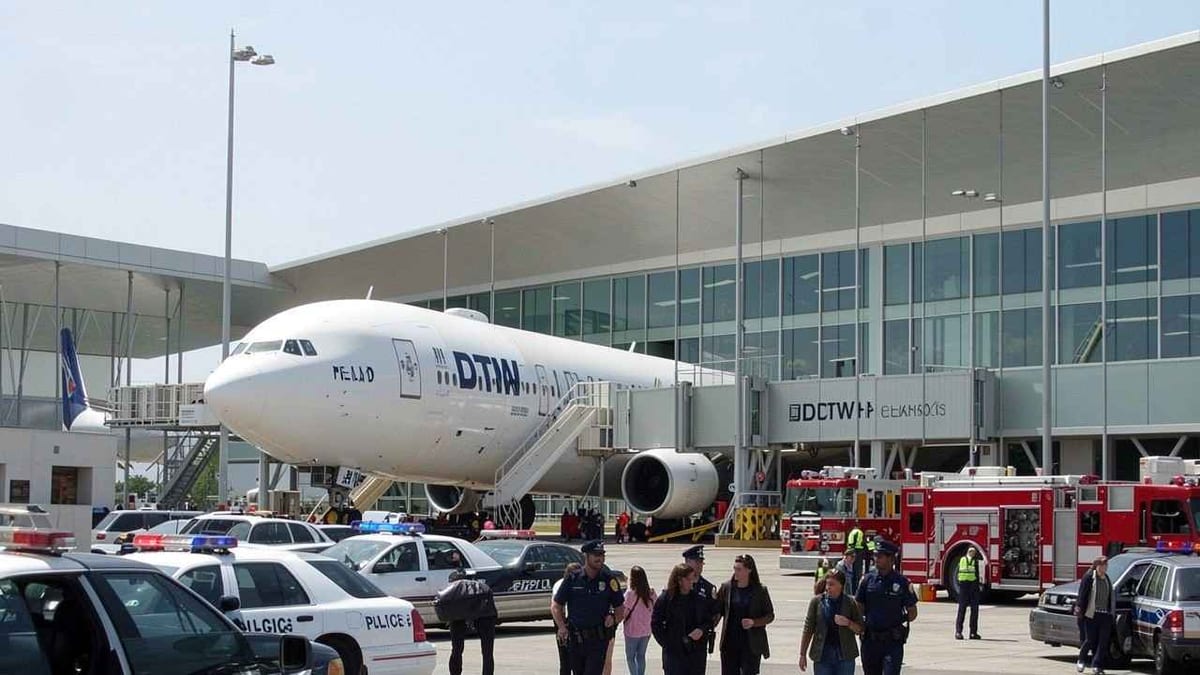
Denver to Nashville Service Experiences Mid‑Route Diversion
Publicly available flight-tracking information for United Airlines flight UA1109 shows the Airbus A320 operating the Denver to Nashville route departing Denver International Airport on schedule before altering course en route and landing in Memphis instead of Nashville. Data from multiple tracking platforms indicates the aircraft, listed as an A320, initially followed the standard eastbound corridor across the central United States before deviating southward toward western Tennessee.
The diversion occurred during a period of broader operational strain across parts of the Midwest, where convective weather cells and air traffic management initiatives led to reroutes, holding patterns and delays for multiple carriers. While flight UA1109 was originally expected to continue directly to Nashville International Airport, tracking logs show its arrival recorded at Memphis International Airport, where passengers disembarked after the unplanned stop.
Available information indicates the aircraft involved is part of United’s Denver based narrowbody fleet frequently assigned to midcontinent routes. The flight’s schedule history shows regular operation between Denver and Nashville, with the Memphis arrival standing out as an anomaly compared with prior days, suggesting the diversion was a response to developing conditions rather than a planned change of destination.
There were no immediate public indications of any onboard emergency, such as a declared medical event or mechanical distress, in association with the diversion. The profile more closely matches a tactical route adjustment in response to external factors, consistent with other recent diversions across the network attributed to weather or airspace constraints.
Midwest Airspace Disruption Cited as Key Factor
Operational summaries and meteorological charts for the period point to a combination of severe thunderstorms and constrained traffic flows affecting several key Midwest corridors. Convective activity over portions of Missouri, Arkansas and western Tennessee, combined with flow restrictions around large hubs such as Chicago and Houston, contributed to a patchwork of ground delays, in route holdings and altitude caps.
Industry guidance notes that disruptions of this kind can prompt air traffic control to reshape routings across a broad region, including imposing miles in trail spacing between aircraft and redirecting flights along more southerly or northerly tracks than usual. For flights crossing from the Rocky Mountain region toward the Southeast, this can result in last minute changes to fuel planning and contingency airports, particularly when storm lines block the most direct path to destination.
Aviation operations literature explains that diversions for weather and airspace management are among the most common reasons domestic flights in the United States fail to reach their planned destination. When storms organize along a front, as appeared to be the case during the UA1109 operation, dispatchers and flight crews often must choose between extended holding, lengthy reroutes or a diversion to a suitable alternate airport for refueling and replanning.
Memphis, positioned near the intersection of several east west and north south airways, frequently serves as a convenient diversion point for flights traversing the central United States. Its long runways, available gate capacity and established role as a cargo hub make it a practical option for passenger operations when surrounding airspace becomes saturated or weather affected.
Impact on Passengers and Downline Operations
For travelers on UA1109, the diversion meant an unexpected arrival in Memphis with onward journeys to Nashville and other final destinations uncertain while United’s operations teams adjusted schedules. Historical patterns from similar events suggest that passengers are typically accommodated through a mix of rebooking onto later departures, ground transportation arrangements on select short haul segments and, when required, overnight lodging for those facing missed connections.
Published guidance for United customers notes that diversions are categorized as irregular operations and that rebooking is generally processed automatically within the airline’s mobile app and at airport customer service desks once a new plan is confirmed. In cases where a diversion is attributed to widespread weather or airspace disruptions, rebooking options may be constrained because multiple flights and carriers are competing for limited arrival and departure slots into affected cities.
Disruptions of this sort can also cascade through an airline’s network, as aircraft and crews arriving late or out of position lead to downstream delays and occasional cancellations. Operational data around the time of UA1109’s diversion indicate adjustments on several other Denver and Nashville rotations, underscoring how a single weather system across the Midwest can ripple outward to affect flights hundreds of miles away.
Passenger accounts from comparable diversions on other recent United flights describe extended time on board during refueling, limited access to food and challenges in obtaining up to date information while plans are being revised. While each event differs, the UA1109 diversion fits into a broader pattern in which weather driven airspace constraints translate into complex, time consuming recovery efforts for both travelers and flight crews.
Why Memphis Was Selected as the Diversion Airport
Analysts examining the UA1109 track and timing point to several reasons Memphis would have been an operationally logical diversion point. The airport sits south of some of the most heavily trafficked Midwest corridors, which can make it less exposed when storm lines or flow restrictions are focused farther north. Its location provides relatively direct overland access to Nashville, offering options for onward travel even if airspace into central Tennessee remains constrained.
Memphis International Airport also maintains extensive ground handling capability due to its longstanding role as a major cargo base. That infrastructure often translates into faster turnaround times for diverted passenger flights, including parking positions, fueling, and basic servicing, all of which are critical when crews are working within strict duty time limitations.
From a dispatch perspective, an Airbus A320 operating between Denver and Nashville would typically plan alternates that balance proximity, expected weather and available facilities. Memphis offers multiple instrument approaches, robust air traffic control services and runway lengths suitable for handling a fully loaded A320 in a variety of conditions, making it a standard candidate as an alternate for flights along this corridor.
Historical flight records show that while diversions on the Denver to Nashville route are relatively infrequent, Memphis has appeared previously as a destination for out of course landings in cases where weather or operational challenges disrupted the planned arrival into Tennessee’s capital. This pattern suggests that the UA1109 diversion followed established contingency planning rather than an improvised choice.
Ongoing Monitoring as Summer Weather Season Intensifies
The UA1109 diversion comes as the peak summer convective season intensifies across the central and eastern United States, a period when afternoon thunderstorms and rapidly forming storm lines can disrupt schedules with little warning. Airline dispatch centers and air traffic management units typically respond by increasing the use of reroutes, flow programs and tactical diversions to maintain safety and manage congestion.
Travel industry advisories encourage passengers flying through hubs such as Denver and across weather sensitive regions in the Midwest and Southeast to monitor flight status frequently on the day of travel and to allow extra connection time where possible. When broad airspace disruptions are anticipated, carriers sometimes issue change fee waivers that allow customers to adjust plans in advance, potentially avoiding the most heavily impacted departure windows.
While diversions like that experienced by United’s UA1109 remain a small proportion of overall flight operations, they highlight the continuing vulnerability of complex national airspace systems to rapidly evolving weather events. Each such incident provides additional data for carriers and regulators reviewing routing strategies, alternate airport planning and communication practices with passengers during disruptions.
As of the latest available information, UA1109’s diversion to Memphis appears to have concluded without major safety concerns, with the focus now on schedule recovery and on limiting the knock on effects across the wider network. Observers will continue to watch flight tracking feeds and operational updates for signs of further weather related adjustments as the active summer pattern persists.