


More news on this day
A United Airlines pilot is under scrutiny after reportedly being caught on a hot mic cursing out flight attendants while making a passenger announcement, an incident that has quickly circulated among airline employees and frequent flyers online and renewed attention on cockpit professionalism.
Get the latest news straight to your inbox!
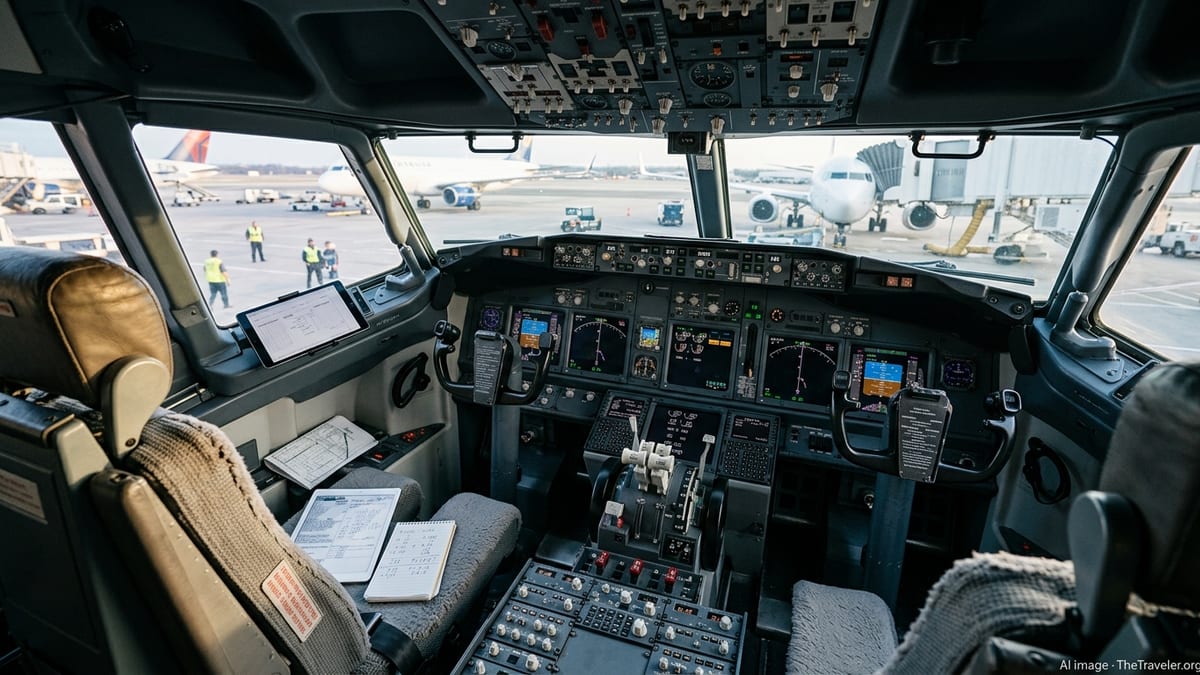
Reports Describe Profanity-Laced Cockpit Outburst
According to accounts shared in aviation and airline employee forums, the episode occurred when a United pilot’s public address microphone remained open longer than intended during a routine in-flight announcement. Instead of cutting off after addressing passengers, the audio channel allegedly continued to transmit to the cabin as the pilot launched into a frustrated, profanity-laced complaint about the flight attendants.
Passengers and crew members posting about the incident describe hearing the pilot curse at or about the cabin crew in blunt and disparaging terms. The comments were reportedly audible throughout the aircraft while cabin crew were working in the aisle, leaving little doubt on board about the target of the remarks.
Online discussion indicates the outburst was recorded by at least one person on board and subsequently shared within flight attendant and aviation communities, where it has generated a wave of criticism over the tone and context of the remarks.
Union and Company Context: A Delicate Labor Moment
The controversy comes at a sensitive moment for United Airlines and its frontline staff. Publicly available company statements in recent months highlight efforts by United and the Association of Flight Attendants to promote collaboration and improve pay, scheduling and working conditions, underscoring a broader push to present a united front between management and crew.
Against that backdrop, the hot-mic tirade has struck many observers as sharply at odds with the cooperative image the airline has been projecting. Commenters in flight attendant forums suggest the incident has already become widely known among cabin crews, with some describing the pilot’s name and flight details circulating informally as the story spreads through the network.
While there has been no widely reported formal statement addressing this specific episode, published coverage and online reaction frame it as emblematic of tension that can flare between cockpit and cabin in a high-pressure, tightly scheduled operation.
Professional Standards and Safety Culture Under the Microscope
Aviation safety advocates and industry analysts frequently emphasize that the relationship between pilots and flight attendants is not only a workplace dynamic but also a critical part of an airline’s safety culture. Crew resource management training is designed to foster mutual respect and open communication between flight deck and cabin, particularly during irregular operations or emergencies.
Publicly available guidance from regulators and industry groups stresses that flight attendants are safety professionals, with responsibilities that include evacuations, medical events and security issues. When derogatory comments from the cockpit surface, even in isolated cases, they are often cited in expert commentary as potentially undermining that collaborative environment and discouraging cabin crew from speaking up when they see risks.
In online discussions of the United incident, many current and former crew members argue that cursing out flight attendants over an open microphone not only humiliates colleagues but also sends an unsettling message to passengers about crew cohesion at a time when unruly traveler behavior and in-flight disruptions remain a concern.
Hot Mics and High Stakes in the Modern Cabin
The episode also highlights how easily private frustration can become a public spectacle in the modern aircraft cabin. In addition to in-seat audio and video systems that may carry announcements to every passenger, smartphones and social media give travelers the ability to capture and share incidents in real time, transforming a momentary lapse in judgment into a widely viewed controversy.
Previous high-profile cases across the airline industry have shown how quickly off-script remarks from overworked or exasperated crew members can overshadow otherwise routine flights. Analysts note that while cockpit and cabin microphones are intended for safety and communication, they can also expose internal conflicts when used carelessly or when tempers flare.
Reports surrounding the United pilot’s hot-mic comments suggest that, even after the immediate embarrassment on board, the longer-term impact may be reputational, adding fresh fuel to ongoing debates about respect, stress, and accountability in commercial aviation.
Questions Over Potential Consequences and Next Steps
Publicly available information so far has not detailed what specific internal steps, if any, United has taken in response to the hot-mic incident. In comparable situations at other airlines, companies have sometimes placed crew members on leave pending internal reviews or mandated additional training focused on communication and conduct.
Labor agreements, company policies and federal regulations all outline expectations for professional behavior while on duty, but the handling of verbal outbursts and intra-crew conflicts can vary based on context and prior records. Commenters familiar with airline operations suggest any review would likely consider whether the remarks created a hostile work environment or compromised the perception of safety and order in the cabin.
For many travelers and employees following the story online, the incident serves as another reminder that what is said behind the cockpit door can quickly become part of the passenger experience. As airlines continue to navigate strained schedules, packed cabins and heightened public scrutiny, the United hot-mic episode is being watched as a test of how carriers respond when internal tensions spill into the open.