


More news on this day
As crowds pack better-known New England resort towns, travelers from the United States, Canada and overseas are quietly discovering Machiasport, a working harbor in Downeast Maine that pairs dramatic coastal scenery with a slower pace and a fraction of the traffic found farther south.
Get the latest news straight to your inbox!
A Downeast Alternative to Maine’s Busier Beach Towns
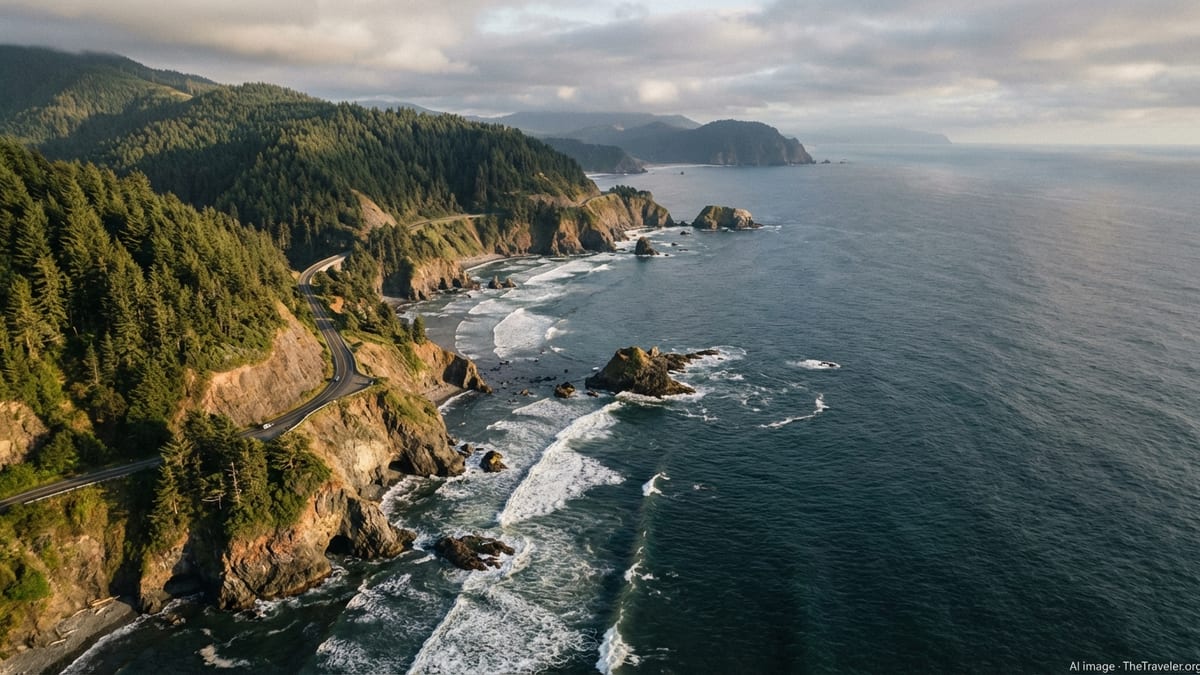
Machiasport sits on the Machias River at the head of Machias Bay, facing the open Gulf of Maine. Publicly available information describes it as a compact Washington County fishing community framed by coves, spruce forest and low headlands rather than boardwalks or high-rise hotels. The town’s waterfront is still defined by lobster boats and wharves, a reminder that commercial fishing remains central to the local economy.
Regional tourism reports note that Downeast and Acadia continue to see rising visitor numbers, but growth is spreading beyond traditional magnets such as Bar Harbor. Operators in the area describe a steady increase in travelers seeking less commercialized bases for hiking, paddling and wildlife watching, and Machiasport is benefiting from that shift. It offers coastal access and scenery similar to more famous destinations, while lodging and services concentrate in nearby Machias and along the wider Downeast corridor.
For visitors driving from the United States or crossing from Canada via New Brunswick, the town functions as a natural pause between Lubec to the east and Acadia National Park to the west. Travel guides highlight the region’s reputation for wild blueberries, working harbors and birdlife, presenting Machiasport as a low-profile base for exploring that broader landscape without the congestion often reported in larger coastal centers.
Historic Forts and A First-Naval-Battle Backdrop
Machiasport’s quiet present-day profile contrasts with its prominent role in early American military history. According to historical summaries from state and local organizations, the bluffs above Machias Bay were fortified during the American Revolution as Fort Machias, later known as Fort O’Brien. The site is associated with the 1775 Battle of Machias, widely cited as one of the first naval engagements of the conflict.
The grassy embankments and surviving earthworks at Fort O’Brien State Historic Site sit a short drive from the village center, overlooking the river mouth. Informational panels outline the fort’s reactivation during the War of 1812 and the Civil War, and the repeated cycle of construction and damage as control of the area shifted. The setting today is pastoral, with picnic spots and open views of the bay, but the interpretive material underscores how strategically important the channel once was for shipbuilding and coastal defense.
Travel planners increasingly cite such compact historic sites as reasons to stop in Machiasport rather than simply driving through the Downeast region. The combination of military history, riverside scenery and the absence of large tour groups makes the fort a low-key but distinctive stop for road-trippers tracing Revolutionary War heritage along the northern New England coast.
Jasper Beach and the Search for Quieter Shorelines
Among Machiasport’s most discussed attractions is Jasper Beach on Howard Cove, a narrow strand lined not with sand but with rounded stones in shades of gray, red and brown. Tourism descriptions explain that many of the cobbles are rhyolite shaped by centuries of surf, creating a shoreline that looks and sounds different from sand beaches elsewhere in Maine. Visitors frequently remark on the crackling sound as waves move the stones.
The town owns Jasper Beach as a local park, and there are no piers, food stands or large buildings on the cove. That lack of development, once a sign of the region’s remoteness, is increasingly promoted as an asset for travelers seeking uncrowded shorelines. Travel forums and guide entries list the beach as a “hidden gem” stop between larger Downeast destinations, particularly in summer when other coastal areas can be congested.
The broader Machias Bay area also supports wildlife watching and sea breezes that appeal to visitors looking for respite from inland heat. Bird conservation groups highlight nearby preserves and cobble shores as viewing points for seabirds and migrating shorebirds. The result is a beach experience that leans more toward walking, photography and quiet contemplation than swimming and nightlife, aligning with demand for nature-focused trips reported in recent tourism analyses.
Working Waterfronts, Trails and Conservation Landscapes
Machiasport and neighboring Machias continue to function as working communities built around the ocean, forest products and small-scale services. Local government information notes that dozens of lobster fishermen operate out of the harbor, and that town road improvements have been designed around connecting village centers, wharves and nearby public access points. The visual effect for visitors is a shoreline where commercial boats, bait sheds and stacked traps feature as prominently as scenic overlooks.
At the same time, regional land trusts and conservation organizations have assembled a patchwork of coastal preserves and trails across the wider Bold Coast. These protected areas, which include cobble beaches, spruce headlands and tidal marshes, provide public access to views over Machias Bay and neighboring inlets. Hikers can follow short paths to pocket coves or higher viewpoints, often within a short drive of Machiasport’s village streets.
Nature-focused travel operators describe Downeast Maine as increasingly attractive to visitors interested in birdwatching, sea kayaking and photography. Offshore areas near Machias Bay feature in itineraries that seek whales, seals and seabirds around remote islands and lighthouses. While most such excursions depart from larger ports, Machiasport’s position in the middle of this coastal network makes it a convenient inland-facing vantage on a still largely undeveloped stretch of shoreline.
Rising Interest From Cross-Border and Domestic Travelers
Travel industry commentary in recent years has pointed to changing patterns in how visitors from the United States, Canada and Europe approach Maine. Rather than focusing solely on a single resort town, more itineraries now combine several smaller communities, with travelers staying in one location and making day trips along the coast. Machiasport and nearby Machias appear in these patterns as quieter alternatives where lodging, dining and supplies are available without the high-season congestion seen in larger destinations.
Cross-border access from New Brunswick helps feed this trend, with Canadians able to reach the area by car after crossing at Calais or Lubec. Travel coverage notes that Canadian visitors are an important segment of the Downeast market, and that their interest extends beyond shopping trips to include hiking, lighthouse touring and coastal drives. For these travelers, Machiasport offers a relatively direct route into the heart of Maine’s lesser-known bays and coves.
Domestic visitors are also increasingly combining Machiasport with drives along the Schoodic Peninsula, Cutler’s Bold Coast and inland lakes. Online recommendations emphasize that distances between small towns can be significant but reward those willing to venture beyond the most heavily marketed spots. In that context, Machiasport’s small harbor, stone beach and historic fort together serve as a compact introduction to the slower rhythms and natural drama that define Downeast Maine’s emerging hidden coastal escapes.