


More news on this day
One of America’s longest passenger rail lines is being repositioned as a signature scenic journey, as tourism campaigns and rail-focused tour operators highlight Amtrak’s California Zephyr as a flagship way to see the United States by train.
Get the latest news straight to your inbox!
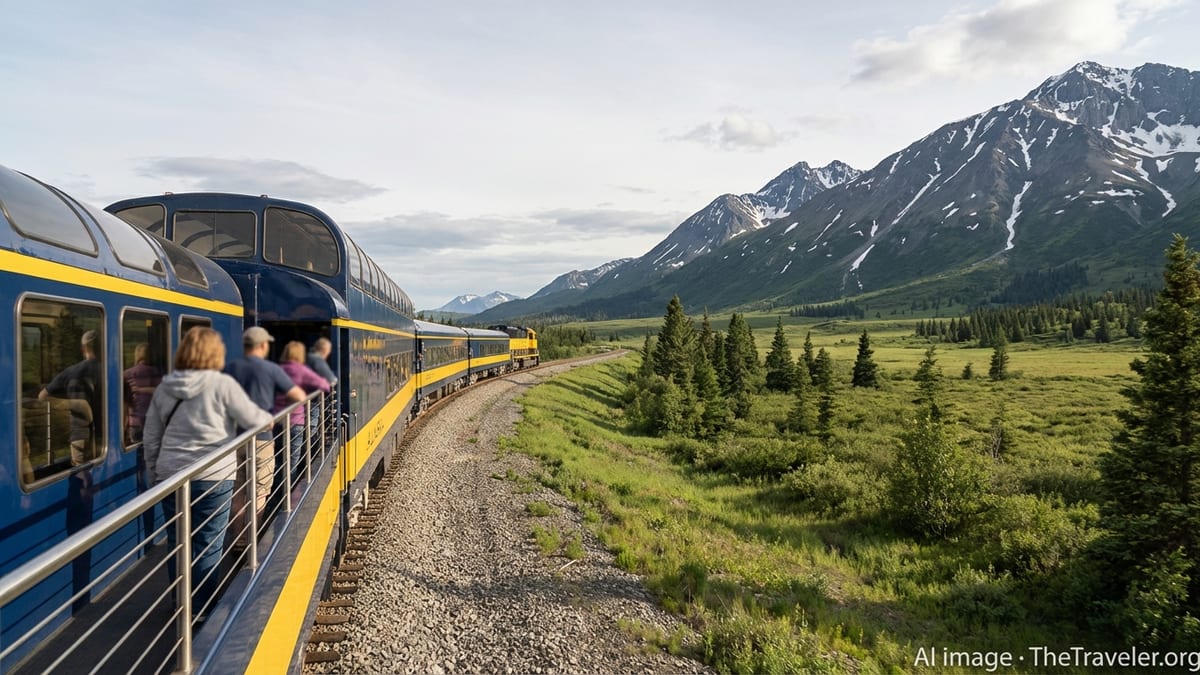
Classic Route Recast as a Rail Adventure
Stretching roughly 2,438 miles between Chicago and the San Francisco Bay Area, the California Zephyr has long been regarded by rail enthusiasts as one of the most dramatic long-distance routes in the United States. Publicly available route guides and fact sheets show that the train crosses seven states and links the Midwest with the Rocky Mountains, high desert plateaus and the Sierra Nevada before reaching California.
Recent travel coverage from consumer publications has renewed attention on the Zephyr, often placing it among the most scenic rail journeys in the country and noting its status as Amtrak’s longest daily route. These reports emphasize the way the train follows segments of the original transcontinental railroad, offering passengers extended views of river canyons, mountain passes and remote valleys that are difficult to experience from highways.
Tourism-focused outlets describe the Zephyr as a rail-based alternative to cross-country road trips or short-haul flights, particularly for travelers looking to slow their pace and treat the journey as the centerpiece of a vacation. Travel editors point to growing interest in multi-day train itineraries as travelers seek lower-stress options that combine transportation, lodging and sightseeing in a single experience.
Against that backdrop, the line is increasingly framed as a ready-made “rail adventure” for domestic and international visitors planning United States trips in 2026, when attention on national heritage and long-distance travel is expected to rise.
Tour Companies Build Multi-Day Scenic Itineraries
Specialist tour operators and package providers have started to formalize what independent travelers have long done on their own: build full vacations around the California Zephyr. Publicly available itineraries pair segments of the route with overnight hotel stays in gateway cities such as Chicago, Denver, Salt Lake City and the Bay Area, combining onboard rail time with guided excursions to national parks and historic districts.
Some travel companies market cross-country “rail journeys” that weave the Zephyr together with other well-known Amtrak routes, promoting the combined itineraries as an introduction to American landscapes. These packages frequently position the Zephyr section as the visual highlight of the trip, particularly the mountain crossing between Denver and western Colorado and the high-elevation run over Donner Pass in the Sierra Nevada.
Newer offerings also include themed departures focused on photography, national parks or heritage rail, aligning rail travel with broader tourism trends. According to published descriptions, these trips are designed to appeal to travelers who might otherwise book motorcoach tours, but who prefer to spend more time in observation cars and less time on highways.
The growth of such products effectively turns a regularly scheduled Amtrak service into a platform for curated scenic rail adventures, with private companies handling logistics around tickets, lodging and transfers while the national passenger carrier provides the core transportation.
Luxury and Comfort Features Draw Higher-End Travelers
Alongside mainstream tour packages, new premium products are emerging on parts of the Zephyr route. Travel industry coverage indicates that private luxury sleeper cars are scheduled to operate in conjunction with existing Amtrak services, offering smaller groups access to upgraded accommodations, exclusive lounge spaces and restaurant-style dining while still traversing the same mountain and desert scenery.
These privately operated cars are being promoted as a way to experience classic American rail landscapes with a level of comfort that rivals upscale expedition cruises. Marketing materials highlight domed viewing areas, en suite or semi-private sleeping arrangements and chef-prepared meals, positioning the experience as a boutique alternative to traditional long-distance rail travel.
Amtrak’s own materials note that the California Zephyr uses bi-level Superliner equipment, including sleeping cars, coach seating and a lounge car with large windows. While not a luxury product in the traditional sense, the configuration allows passengers to move between seating and lounge areas throughout the journey, which travel writers frequently credit as one reason the Zephyr is often singled out in lists of top scenic routes.
Together, these developments indicate a broader push to segment the market for scenic rail, with options ranging from standard coach seats to high-end private cars, all using the same core route across the Rockies and Sierra Nevada.
Scenery and Seasonal Appeal Along the Route
Visual appeal remains the foundation of the Zephyr’s growing reputation as a scenic rail adventure. Travel features and route guides describe a sequence of landscapes that begins with Midwestern farmland and river crossings before turning into foothills and, eventually, the dramatic climb out of Denver toward the Continental Divide.
Between Denver and western Colorado, the train follows river canyons and passes through a series of tunnels, giving riders close-up views of steep cliffs, whitewater sections and isolated ranchland. Farther west, publicly available descriptions highlight views of Utah’s high desert and Nevada’s wide basins, where long, uninterrupted stretches of track emphasize the scale of the American West.
In California, the line ascends to Donner Pass and skirts alpine lakes and forests before descending toward the Sacramento Valley and the Bay Area. Travel publications often note that no single segment captures the entire experience, and that the allure of the Zephyr lies in watching the landscape change over the full two-night, three-day journey.
Seasonality also plays a role. Reports from rail bloggers and travel journalists point out that winter and early spring departures can bring snow-draped peaks in the Rockies and Sierra Nevada, while summer and autumn runs favor longer daylight hours and fall color. For visitors planning 2026 trips, this variety allows the same route to offer markedly different experiences at different times of year.
Positioning the Zephyr Within a Broader Rail Tourism Push
The heightened focus on the California Zephyr comes as the United States sees renewed interest in passenger rail for both transportation and tourism. Travel media note that Americans and international visitors are increasingly weighing trains against short-haul flights, citing a desire for lower-stress travel and itineraries that emphasize the journey as much as the destination.
Recent roundups of top rail journeys from outlets such as travel magazines and online guides frequently include the Zephyr alongside other long-distance trains that connect major cities with national parks and coastal regions. In those lists, the Zephyr’s role is often to represent the classic cross-country experience, tying together multiple regions of the country in a single itinerary.
Publicly available information from rail advocacy organizations indicates ongoing discussions about funding, equipment upgrades and schedule reliability across the long-distance network, including on the Zephyr corridor. While those debates focus on operational details, tourism commentators suggest that sustained investment in scenic routes could support broader regional economies by encouraging longer stays and higher visitor spending in intermediate cities and gateway communities.
For now, the convergence of media attention, packaged itineraries and emerging luxury offerings is effectively positioning the California Zephyr as one of the primary ways travelers can experience the United States by rail, turning a long-standing passenger service into a headline scenic adventure for the coming travel seasons.