


More news on this day
British holidaymakers are being urged to think twice before booking trips to two popular destinations after updated Foreign Office guidance highlighted an increased risk of terrorist attacks and wider regional instability.
Get the latest news straight to your inbox!
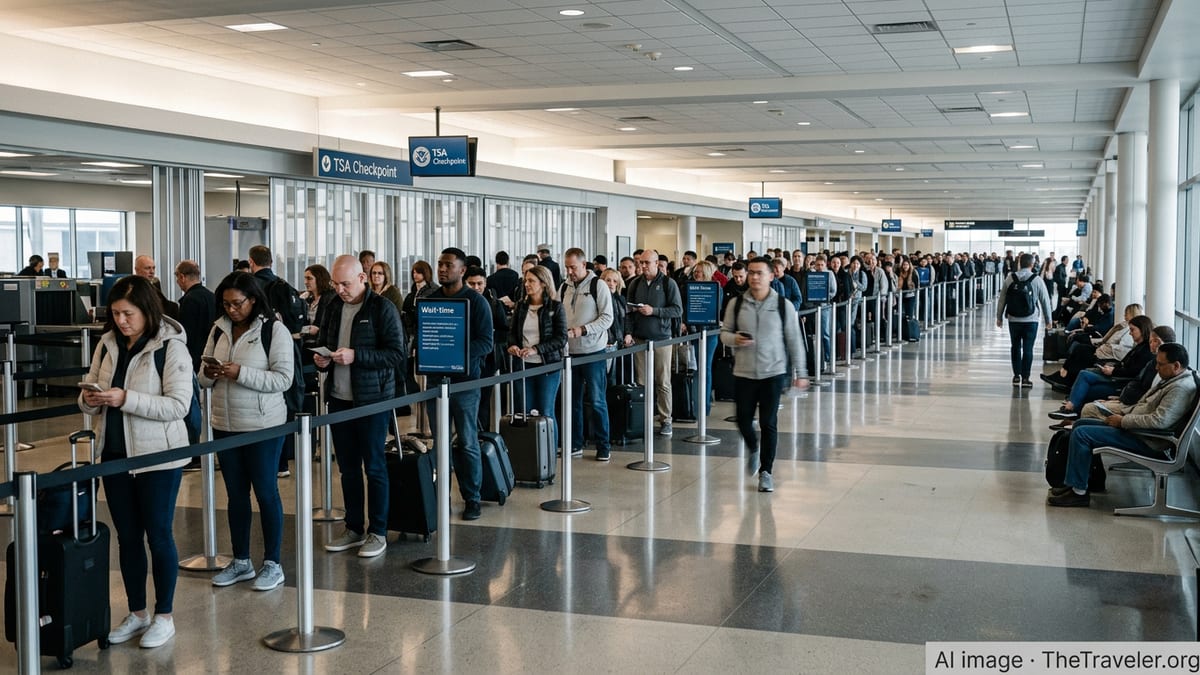
Heightened alerts in latest Foreign Office travel update
Recent changes to the United Kingdom’s official travel guidance have drawn renewed attention to security conditions in a small number of destinations, with two countries now singled out for particularly strong warnings linked to the threat of attacks. Publicly available advisories describe a combination of credible security risks, unpredictable political situations and the potential for violence in places frequented by visitors.
According to published coverage of the latest update, British nationals are being told to avoid all but essential travel to specific areas in both countries, and in some cases to avoid the countries altogether. The language used in the advisories points to a sustained risk of terrorist incidents, including the possibility of attacks against crowded public places, hotels, transport hubs and locations popular with foreign travellers.
While the exact wording varies between the two destinations, the guidance is broadly aligned on one central point: travellers should assume that the security situation can deteriorate quickly and without warning. Reports indicate that the advisories also highlight the limited capacity of local authorities and infrastructure to respond effectively if a major incident were to occur.
For British travellers and the wider tourism industry, the update represents a significant signal that these destinations now sit in a higher risk category than many other popular holiday spots. Travel companies and airlines are watching the situation closely, reviewing itineraries and, in some cases, allowing customers greater flexibility to amend existing bookings.
Risk of attacks at tourist sites, transport hubs and public events
The central concern highlighted in recent reporting is the elevated risk of attacks targeting locations where visitors are likely to gather. Open source assessments refer to the possibility of incidents at major tourist landmarks, busy city centres, large hotels, shopping districts and entertainment venues.
Security analysts note that such locations may be viewed as high impact targets because they offer the potential for significant casualties, media attention and economic disruption. In both countries covered by the new advice, previous incidents and disrupted plots have reinforced concerns that foreign nationals could be affected even if they are not direct targets.
Transport infrastructure is also described as a potential point of vulnerability. Crowded airports, intercity bus stations and key road corridors are often highlighted in public assessments as environments where the consequences of an attack could be severe. For British holidaymakers this means that risks may begin from the point of arrival, rather than being confined to more remote or less visited regions.
Mass gatherings, including religious events, political demonstrations and major sporting fixtures, are another focus of the latest warnings. Travel advisories typically urge visitors to stay away from protests and to be cautious around large crowds, stressing that gatherings can change quickly from peaceful to confrontational and that they may present attractive targets for those intent on carrying out attacks.
Implications for holiday bookings, insurance and tour operators
The decision to highlight these two countries has immediate implications for British travellers planning summer and autumn getaways. Industry reporting indicates that some tour operators are reviewing departures, while others are contacting customers to discuss alternative destinations if their trips fall within the periods or areas covered by the strongest warnings.
Travel insurance is another key consideration. Many standard policies treat trips to locations under “all but essential travel” or “do not travel” style advisories as higher risk, which can affect both coverage and the ability to make a claim. Travellers are being encouraged, through consumer guidance and media reporting, to check their policy documents carefully and to confirm that they remain insured before departure.
Airlines serving the affected destinations may also adjust schedules in response to shifting demand and operational assessments. Previous episodes involving similar advisories have led to reduced frequencies, aircraft changes or, in some cases, temporary suspensions of routes. Such decisions can have knock-on effects for travellers transiting through regional hubs as well as those booked to stay in the countries themselves.
For local tourism industries that rely heavily on UK visitors, the updated guidance adds to existing pressures linked to global economic headwinds and regional tensions. Hotels, restaurants and local tour providers in both countries face the prospect of a downturn in bookings at a time when many had been hoping for a stronger recovery in international arrivals.
Advice for British travellers assessing security threats
Consumer groups and independent travel experts are urging British nationals to treat the latest warnings as an opportunity to review their personal risk tolerance and planning, rather than as a source of panic. Public guidance generally suggests that travellers considering higher risk destinations should monitor official travel advice up to and including the day of departure, and be prepared to change plans if the security picture deteriorates.
Practical steps often recommended in such circumstances include registering contact details with consular services, keeping family or friends informed of itineraries, and maintaining copies of travel documents in secure digital form. Travellers are also advised to stay aware of their surroundings, avoid conspicuous displays of wealth, and limit the amount of time spent in very crowded or enclosed public spaces where exits may be restricted.
Special attention is frequently drawn to independent travel and overland movements within affected countries. Where advisories identify particular regions as high risk, visitors are encouraged to use reputable local operators, avoid night-time travel where possible and seek updated, on-the-ground information before undertaking long journeys by road.
Families and first-time visitors, in particular, may wish to consider whether alternative destinations with lower assessed risk levels would offer a more straightforward and less stressful holiday experience. Travel commentators point out that many countries continue to welcome British visitors under normal conditions, providing similar climates or attractions without the same security concerns.
What this means for the wider travel landscape
The heightened warnings for these two countries form part of a broader pattern in which geopolitical tensions, regional conflicts and domestic instability are reshaping global travel patterns. Over the past several years, advisories have shifted repeatedly for a number of destinations, forcing travellers, airlines and tour operators to adapt quickly to changing conditions.
Observers note that British tourists have become more accustomed to factoring security assessments into their holiday planning, alongside weather, price and availability. Episodes involving sudden airspace closures, regional conflicts and public health emergencies have all contributed to a landscape in which flexibility and up-to-date information are increasingly crucial.
For the UK travel industry, clear and timely communication is seen as essential in managing customer expectations and maintaining confidence. Travel firms are increasingly providing dedicated webpages and pre-departure briefings that summarise key points from public advisories, outline contingency plans and explain customers’ options if guidance changes after a booking is made.
As peak summer travel approaches, analysts expect that many British holidaymakers will continue to seek sun, culture and new experiences abroad, but with a growing awareness that security considerations can influence where and when they choose to go. The two countries highlighted in the latest warnings now face the challenge of addressing the underlying risks and rebuilding confidence among international visitors in the months ahead.