


More news on this day
Travelers passing through Bordeaux-Mérignac airport in southwest France this week faced evacuations and long delays after a building fire near the runways killed two firefighters and disrupted air traffic at one of the country’s key regional hubs.
Get the latest news straight to your inbox!
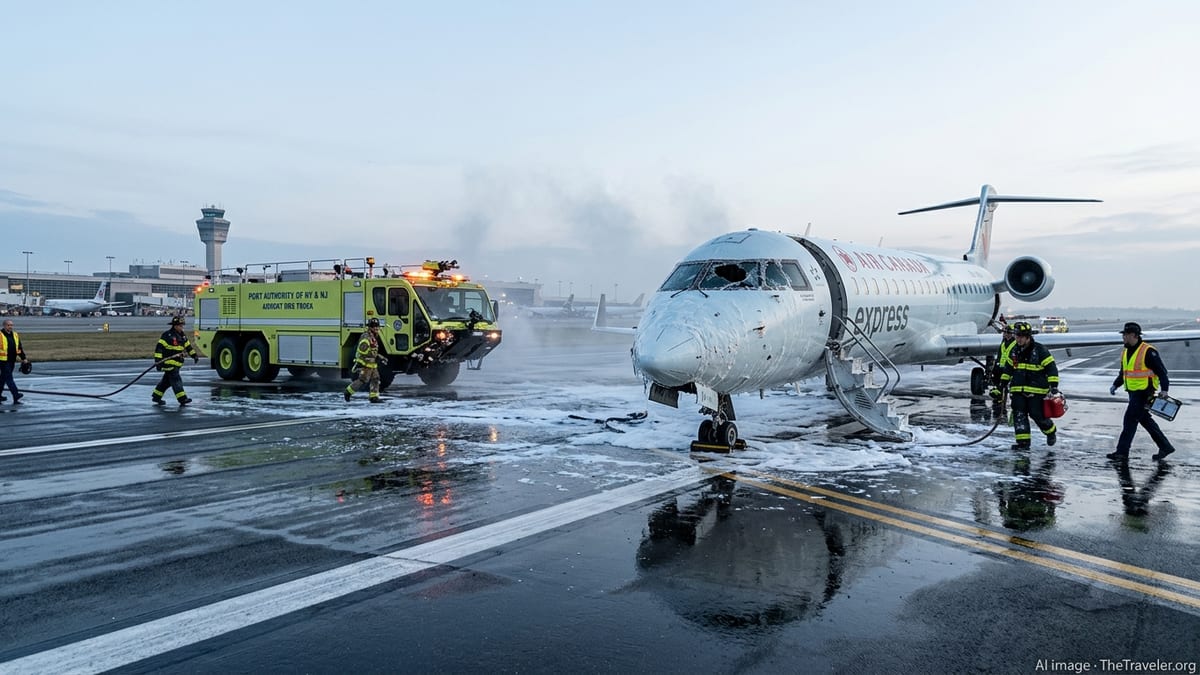
Deadly fire near runways at Bordeaux-Mérignac
According to published coverage in France and international outlets, the fire broke out on the afternoon of July 21 in an airport maintenance or logistics area close to the main installations at Bordeaux-Mérignac, around 12 kilometers west of Bordeaux’s historic center. Initial reports indicate that flames spread rapidly through a building storing equipment and materials, sending a large column of smoke visible from nearby roads and residential districts.
Two professional firefighters from the Gironde fire and rescue service responded as part of the first wave of crews. Information compiled from French media and agency reports indicates that their truck became surrounded by flames as conditions deteriorated, leaving the team with little room to maneuver. Both firefighters were later reported dead, and the fire was described as brought under control after several hours of operations.
Regional and national tributes in subsequent days identified the victims as young professionals with several years of service, highlighting the risks faced by emergency crews in a region already under strain from large wildfires this summer. Publicly available information shows that an investigation has been opened to determine the precise origin of the blaze and the sequence of events that led to the fatalities.
Photographs taken after the incident show charred structures and scorched ground on the airport perimeter, underscoring how close the fire came to airside facilities and fueling infrastructure. While the blaze was contained to the affected building complex, its proximity to runways and taxiways led to immediate disruption for passengers and airlines.
Flights delayed and terminal areas evacuated
Travel and aviation forums, along with local media, describe a scene of confusion as airport staff implemented emergency procedures on July 21. Sections of the terminal and adjacent areas were cleared as smoke drifted across parts of the site and responders moved vehicles and equipment around the apron. Publicly available flight-tracking data for that afternoon shows a cluster of delayed departures and arrivals at Bordeaux-Mérignac, with some aircraft held on the ground at origin airports while the situation unfolded.
Reports from passengers suggest that several flights bound for Bordeaux were kept at their departure gates or on taxiways for extended periods, awaiting clearance to depart or to land once the airport confirmed safe operating conditions. Some aircraft diverted temporarily to other airports in the region or delayed their approach until fire crews indicated that the blaze no longer posed a direct risk to runway operations.
Despite the seriousness of the incident, Bordeaux-Mérignac’s runways were not closed for an extended period. According to publicly accessible airport information quoted in news coverage, operations continued at a reduced capacity, with priority given to safety checks and to maintaining clear access corridors for emergency vehicles. Passengers, however, faced missed connections, revised itineraries and long waits at information desks as airlines worked through the disruption.
In the days following the fire, schedules gradually normalized, but some carriers advised travelers to monitor their bookings closely given the broader context of wildfires and changing air quality in the Bordeaux area. For visitors planning tight connections through the airport, the episode served as a reminder of how rapidly local incidents can ripple through regional flight networks.
Incident unfolds amid wider wildfire emergency
The fatal blaze near the airport occurred as southwestern France faces one of its most challenging fire seasons in recent years. Separate from the airport incident, large wildfires have been burning in the Gironde department and neighboring areas, forcing mass evacuations of coastal communities and disrupting road access to popular Atlantic resorts.
National and international news outlets report that more than 200,000 people have been forced to leave their homes or holiday rentals across parts of France and Spain as multiple fires advance through drought-stressed forests. Around Bordeaux, preventive evacuations have been ordered in several communes as flames approach from pine forests to the west and south, and military aircraft and additional firefighting units have been deployed to reinforce exhausted local crews.
Travelers heading to the region are contending with a combination of hazards: changing road closures, degraded air quality, and the possibility of sudden shifts in flight schedules if smoke or firefighting operations affect visibility and airspace. Although the airport fire is being treated as a distinct incident from the surrounding forest blazes, the deaths of the two firefighters have become part of a wider national debate over climate-driven risks and the resources allocated to emergency services.
Commentary in French media notes that heatwaves and prolonged dry spells have turned the pine forests around Bordeaux into a tinderbox during the peak holiday season. With passenger numbers surging through regional airports and coastal roads packed with vehicles, even localized fires near infrastructure can have far-reaching travel consequences.
Investigations focus on cause and safety protocols
Publicly available information from judicial and administrative sources shows that a formal investigation has been opened into the Bordeaux-Mérignac fire, including oversight by specialized crime and forensic units. Investigators are examining how the blaze ignited, whether building materials or stored goods contributed to its rapid spread, and how the responding crews became trapped.
Media analyses indicate that particular attention is being given to the configuration of access routes around the affected building, the presence of potential fuel sources, and the communication links between the airport’s operations center and firefighting teams on the ground. Questions are also being raised about whether any recent construction or maintenance work could have played a role in the outbreak of the fire.
Firefighter unions and professional associations, which have been vocal during this summer’s wildfire crisis, are using the incident to underscore long-standing concerns about staffing levels, equipment and training for complex industrial and transport sites. Comment pieces in French outlets point to the cumulative fatigue experienced by crews who have been rotating between forest fires, urban callouts and critical infrastructure incidents.
Once the technical investigation concludes, findings are expected to inform any changes to operating procedures at Bordeaux-Mérignac and potentially at other French regional airports with similar layouts. Topics likely to be scrutinized include the positioning of firefighting vehicles, evacuation routes for both responders and airport personnel, and protocols for balancing air traffic continuity with maximum safety during fast-moving emergencies.
What travelers to southwest France should expect
For travelers with upcoming flights to or from Bordeaux, published travel advisories and on-the-ground accounts suggest that the airport is functioning, but in a volatile environment shaped by both the recent incident and ongoing wildfires in the wider region. Airlines appear to be operating most scheduled services, yet individual flights may be subject to delay or re-timing if conditions change.
Recent passenger experiences shared in public forums describe normal check-in and security processes inside the terminal, but with hazy skies, the smell of smoke and intermittent changes to departure times. Some travelers have opted to rebook via alternative airports in western France or to shift their journeys to rail where possible, particularly those with respiratory sensitivities concerned about air quality.
Travel industry reports recommend that visitors build additional flexibility into itineraries, especially when planning onward connections to ferries, trains or long-distance buses. Allowing extra transit time between flights, keeping electronic boarding passes updated and staying informed through airline communication channels can help reduce stress if schedules change at short notice.
For now, Bordeaux remains open as a key gateway to the Atlantic coast and the surrounding wine regions, but this week’s deadly fire has underscored how exposed transport infrastructure has become to fire risk in a warming climate. As investigations continue and memorials are held for the two fallen firefighters, authorities in southwest France are being pressed to demonstrate that lessons from this tragedy will translate into stronger protection for both residents and visitors.