


More news on this day
United Airlines is urging travelers to be cautious about booking near-term trips through its three largest international hubs as triple-digit cancellations and extensive delays ripple through the carrier’s network, disrupting itineraries at some of the busiest airports in the United States.
Get the latest news straight to your inbox!
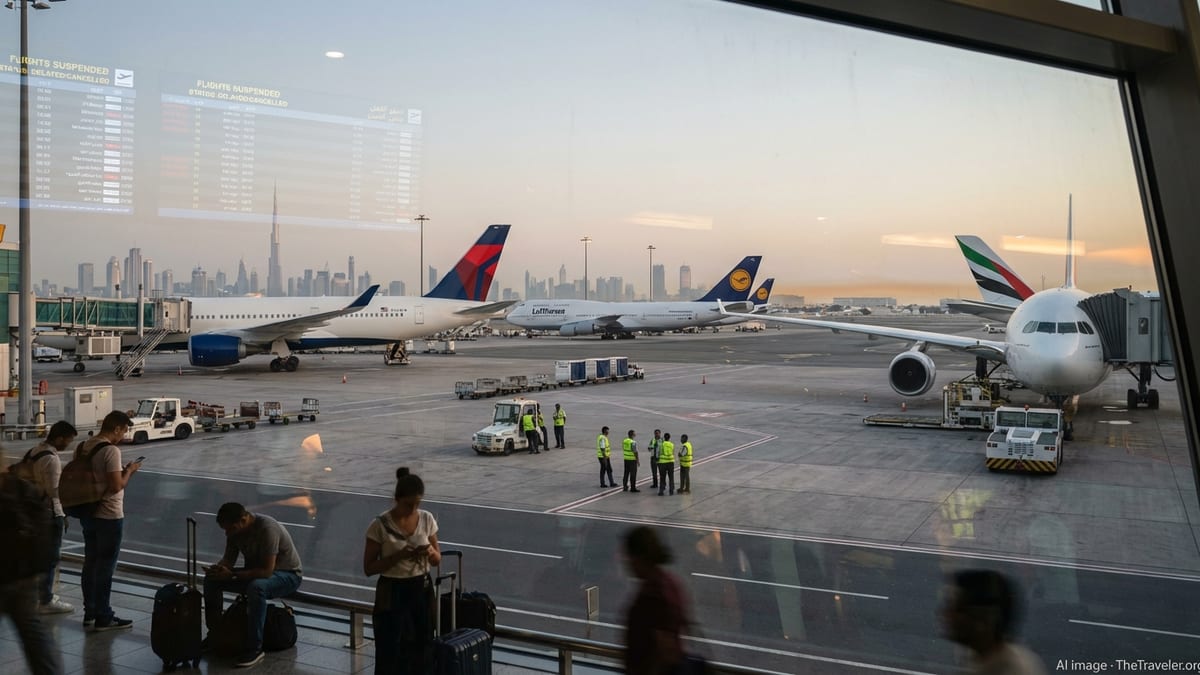
Triple-Digit Cancellations Hit Chicago, Newark and San Francisco
Operational data from flight-tracking services and published coverage show United facing triple-digit cancellations concentrated at Chicago O’Hare, Newark Liberty and San Francisco International, the airline’s three largest international gateways. These airports anchor much of United’s long-haul flying to Europe and Asia, meaning disruptions quickly cascade through connecting itineraries.
The latest wave of cancellations follows a period of heightened strain on the U.S. aviation system, including repeated bouts of severe weather, air traffic control constraints and technology outages affecting multiple carriers. Reports indicate that on peak days, cancellations across United’s network have climbed into the hundreds, with the majority affecting departures to and from its hub airports.
Because O’Hare, Newark and San Francisco function as both domestic and international connection points, a single round of schedule cuts can strand travelers far from their final destinations. Passengers with itineraries requiring tight connections have been especially vulnerable as missed links force rebookings onto already crowded flights later in the day or week.
Network analysts note that large hub carriers typically cancel shorter domestic segments first to preserve aircraft and crews for long-haul services. Recent patterns at United’s hubs appear to follow this logic, with many of the same airports recording both high delay counts and clusters of cancellations on busy travel days.
Technology Strains Add to Weather and Airspace Pressures
The cancellations are unfolding against a backdrop of ongoing operational challenges for United and the wider industry. In recent months, United has experienced technology disruptions that triggered temporary nationwide ground stops and slowed departures at multiple hubs, according to coverage from U.S. broadcast outlets and wire services.
These technology issues have overlapped with a period of volatile weather in key regions and chronic staffing and congestion pressures in U.S. airspace. Aviation briefings describe thunderstorms, low-visibility conditions and traffic-management initiatives converging on the same days at major hubs, leaving airlines with little room to recover once delays begin to stack up.
For United customers, the combination of factors has translated into rolling disruption rather than isolated bad days. Residual delays sometimes persist into the following morning as aircraft and crews remain out of position, prolonging the impact of an initial cancellation surge. Travelers connecting through Chicago, Newark and San Francisco are particularly exposed because a disruption at one hub can cascade into another through the airline’s hub-to-hub flying.
Publicly available information from airport dashboards and federal transportation data underscores how quickly such stress can push cancellation totals into triple digits. Once traffic-management programs restrict arrivals or departures at a hub, airlines are often forced to trim their schedules in order to keep the system moving.
United Warns Customers to Rethink Near-Term Bookings
In response to the mounting disruptions, customer advisories and media reports indicate that United is urging travelers to be cautious when booking flights that rely on tight connections through Chicago, Newark or San Francisco in the near term. The guidance reflects growing concern that already strained peak periods may not have enough slack to absorb additional disruptions without significant passenger impact.
Travel industry coverage describes United leaning on waivers that allow customers to change plans without standard fees in affected periods, encouraging rebooking outside the busiest dates and times where possible. The airline’s mobile app and website are being highlighted as primary tools for monitoring flight status and pursuing same-day changes when weather or system constraints suddenly worsen.
United’s messaging fits a broader pattern in which major U.S. carriers have begun to proactively tell customers to consider alternative routings, earlier departures or even different travel days during periods of elevated risk. By discouraging last-minute bookings at already congested hubs, airlines aim to reduce the number of travelers who could be left scrambling for options if cancellations spike again.
For international customers in particular, the warnings underscore how heavily their trips depend on a small set of gateway airports. A cancelled transcontinental feeder flight into Chicago, Newark or San Francisco can jeopardize a long-haul departure that operates only once per day, leaving passengers with limited alternatives if they miss the connection.
What Travelers Connecting Through Major Hubs Should Do
Consumer advocates and travel planners tracking the disruptions are advising United customers to take a more cautious approach when building itineraries through the carrier’s largest hubs. Recommendations commonly include allowing longer connection times, avoiding the final flight of the day on critical legs and considering nonstop options when available, even at a higher fare.
Public guidance from airport authorities and government travel resources also emphasizes the importance of enrolling in flight alerts, downloading airline apps and checking status frequently in the 24 hours before departure. When cancellations reach triple digits, rebooking options can disappear quickly as displaced travelers compete for remaining seats across the network.
Travelers with complex itineraries, such as multi-city trips or international journeys involving separate tickets, are being urged to pay close attention to the first domestic segment into a United hub. If that initial flight is cancelled or heavily delayed, same-day alternatives may be limited, and the knock-on effect could disrupt an onward long-haul leg even if it is still scheduled to operate.
For those who have not yet booked, industry analysis suggests considering regional airports with multiple carrier options or selecting itineraries that connect through different hubs if schedules and budgets allow. While United’s hubs remain key gateways for global travel, the current pattern of triple-digit cancellations means that routing choices can significantly influence the risk of serious disruption.
Outlook for Summer and Fall Travel on United
Looking ahead, aviation analysts expect operational pressures to remain elevated as the peak summer travel season approaches, followed by a busy autumn period driven by business travel and major events. United’s recent performance at its three major international hubs is likely to be closely watched as an indicator of how well the carrier can manage surging demand within a constrained system.
Industry forecasts point to continued challenges around weather volatility, air traffic control capacity and airline staffing, any of which can push an already full schedule past its breaking point. Triple-digit cancellation days at major hubs may therefore remain an intermittent feature of the U.S. travel landscape, even as airlines refine their schedules and invest in technology upgrades.
For United customers, the practical takeaway is that booking through Chicago O’Hare, Newark Liberty or San Francisco International now carries an added layer of risk during high-demand periods. By heeding the airline’s warnings, building in buffers and monitoring conditions closely, travelers can improve their odds of reaching their destinations on time even when cancellations climb.
As the situation evolves, travelers planning international journeys through United’s hubs will need to balance convenience and cost against the growing likelihood of disruption. Many are watching how the carrier adjusts schedules, deploys spare aircraft and uses waivers in the coming months as signals of how reliably it can sustain operations at its largest gateways.