


More news on this day
United Airlines is warning customers with upcoming trips to keep a closer eye on their itineraries as the carrier moves to pull some flights from its schedule, with a near-term focus on December flying that may no longer operate as originally planned.
Get the latest news straight to your inbox!
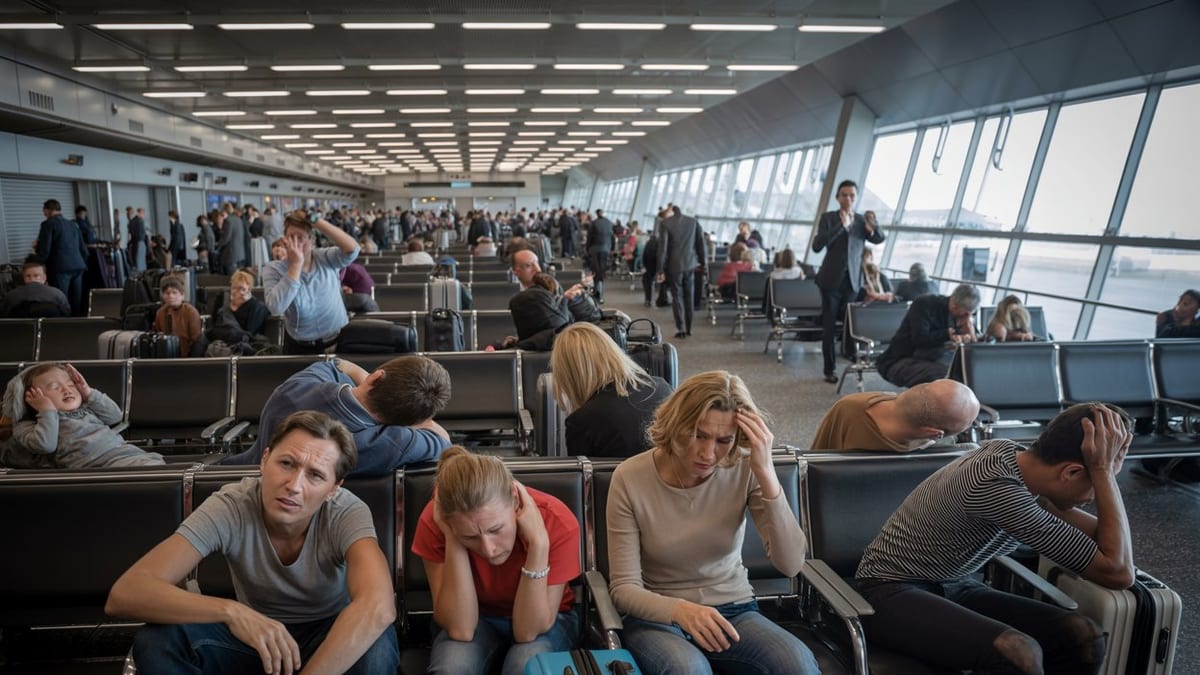
What’s behind United’s warning and flight cancellations
Published coverage of an investor conference appearance by United’s Chief Financial Officer, Michael Leskinen, indicates the airline is adjusting its schedule in response to higher fuel costs, which can quickly turn marginal routes unprofitable. The comments point to December as a period where some flights that had been planned are now expected to be removed from the operation.
In plain terms, the warning for travelers is not about a single systemwide shutdown or one airport-specific disruption. Instead, it reflects a broader capacity move: if the economics of certain flights no longer work with current fuel prices, airlines may decide not to operate them and then re-accommodate affected passengers on alternative flights.
Leskinen’s remarks also signaled that if fuel costs remain elevated, further schedule changes could extend into early 2027. That matters for travelers booking far in advance, since schedule trimming can show up as a “schedule change” notification, a reroute, or a cancellation with rebooking options.
What travelers should expect if a December flight gets pulled
When an airline cancels a flight for operational or schedule reasons, passengers typically see the change first in their reservation: a new departure time, a new connection, or a prompt to select alternative flights. In many cases, airlines will automatically rebook customers, but the new itinerary may not match original plans, especially around busy holiday travel days when alternative seats can be limited.
For travelers, the practical risk is not only the cancellation itself but the domino effects: longer layovers, loss of preferred nonstop options, or forced same-day travel changes. This is particularly relevant in December, when demand can surge and the ability to find comparable routings can tighten quickly.
Publicly available airline guidance commonly places the most time-sensitive actions on the traveler: confirm the updated itinerary, review whether the new routing still works, and decide quickly whether to accept a rebooked option or pursue an alternative. Travelers with tight connections, cruise departures, weddings, or prepaid tours may want to build more buffer time than usual.
How United’s active disruption alerts and waivers fit into the picture
Separate from longer-range schedule changes, United continues to use operational alerts and travel waivers when short-notice disruptions are expected, especially from weather. United’s Travel-Ready Center has recently shown multiple active waivers, including a Chicago thunderstorms waiver dated September 16, 2026, with a specific waiver code listed for impacted travel dates.
These waivers matter because they can offer flexibility that is different from a standard voluntary change. Depending on the waiver’s terms, eligible customers may be able to rebook within a stated date window without change fees and sometimes without paying a fare difference, as long as the new itinerary stays within defined constraints such as the same cities and cabin.
The key distinction is timing and cause. A waiver is usually tied to a near-term disruption event, while a schedule cut for December is more of a strategic capacity adjustment. Travelers should treat these as two separate categories of risk: immediate weather-related disruption, and longer-lead schedule changes that can show up weeks or months before departure.
Steps customers can take now to reduce holiday-travel risk
For customers holding December reservations, the most useful step is to review the itinerary in the United app or website and confirm that flight numbers and departure times still match what was purchased. If there has been a schedule change, it is often easier to select an acceptable alternative earlier, before the closest flights fill up.
Another option is to reduce dependence on a single flight: choosing earlier departures, avoiding the last flight of the day, and leaving more room for misconnects can all lower the chance that a single cancellation derails the entire trip. Travelers with important same-day commitments may also prefer routings with longer connection times or airports with more daily frequency to their destination.
Finally, it helps to understand the boundaries of your ticket and payment protections. Airline policies can differ based on fare type, and credit-card trip delay or cancellation coverage can vary widely. With the possibility of continued fuel-driven schedule adjustments into early 2027, travelers booking far ahead may want to re-check itineraries periodically rather than assuming a booking made months in advance will operate exactly as ticketed.