


More news on this day
Boise Airport reopened its primary runway after a landing gear problem involving an arriving aircraft briefly halted flight operations, forcing delays and diversions during a busy travel window.
Get the latest news straight to your inbox!
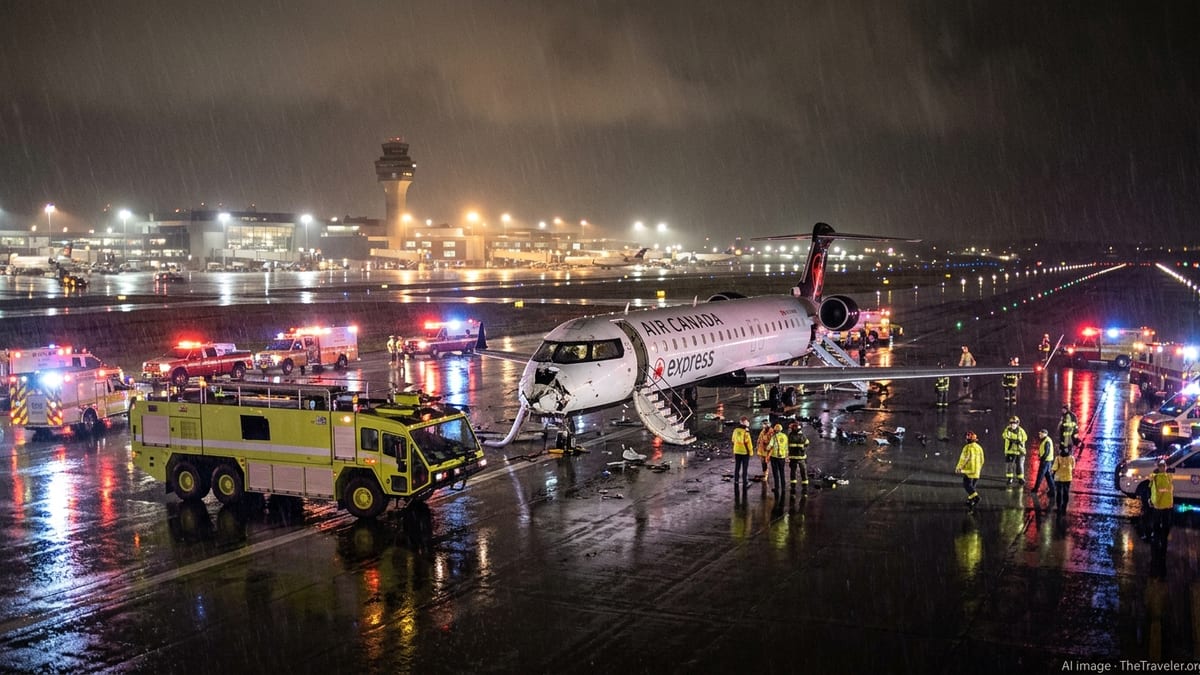
What happened at Boise Airport and why flights paused
Published coverage and flight-tracking chatter circulating on September 17, 2026 described a runway stoppage at Boise Air Terminal (BOI) after an aircraft experienced a landing gear issue that left it unable to promptly clear the runway. With the airfield’s usable runway capacity reduced, arrivals were held or redirected while the aircraft was attended to and the pavement was checked.
Boise typically operates with intersecting runways, but commercial operations rely heavily on the main runway complex. When a disabled aircraft blocks that surface, the effect is immediate: inbound flights cannot land, outbound departures may be held, and airlines begin adjusting for crew duty limits, missed connections, and aircraft rotations that ripple through the rest of the day.
While early online reports focused on the operational disruption, the reopening indicated the aircraft was moved or otherwise no longer obstructing the runway and that inspections were completed to the level needed to safely resume takeoffs and landings.
Delays, diversions, and the traveler impact
Reports from passengers and observers suggested that at least some incoming flights were diverted to alternate airports while the runway was unavailable, including diversions to Twin Falls. Such diversions are a standard tool when aircraft cannot land at their intended destination and holding would be inefficient or risk fuel margins.
For travelers, a diversion often means additional wait time on the ground while the airline determines whether to continue to Boise, disembark passengers, refuel, or swap crews. Even after the destination runway reopens, departures from the diversion airport may not be immediate, as airlines must coordinate gate availability and arrival sequencing back at BOI.
Outbound Boise passengers can also feel the squeeze. Aircraft that were scheduled to arrive, turn, and depart may reach Boise late, which can trigger delayed departures, rebookings, or aircraft swaps. Travelers checking bags may encounter slower processing if staffing must be reshuffled to manage irregular operations.
How runway reopenings work after an aircraft incident
When an aircraft cannot clear a runway due to landing gear damage or a mechanical malfunction, airports and airlines typically follow a tightly choreographed playbook. The runway may remain closed until the aircraft is towed or otherwise removed, and until the surface is inspected for debris, fluid, or pavement damage that could threaten subsequent operations.
In many landing-gear-related events, the runway closure time depends less on the severity of the initial malfunction and more on practical recovery factors such as aircraft position, tire or wheel condition, and the equipment required to move it without creating further hazards. After removal, crews conduct a sweep and inspection, and any required documentation or notifications are handled before normal operations resume.
Boise Airport’s broader safety and operational planning includes ongoing work tied to runway and airfield improvements, with public documents outlining projects intended to enhance guidance and reduce operational risk in the airfield environment. The airport is also marking its centennial year in 2026, a milestone being highlighted in its public-facing communications.
What passengers should do after a sudden airfield disruption
Travelers affected by a short-notice runway closure can reduce stress by focusing on a few immediate steps: monitor airline app notifications closely, confirm whether the flight is delayed or diverted (and to where), and keep an eye on boarding times that can change multiple times in a short window. Airport information screens and airline text alerts can lag behind real-time operational changes, particularly when a diversion decision is made quickly.
Passengers already at BOI should anticipate knock-on effects even after the runway reopens, because arriving aircraft may be out of position and gates may be occupied longer than usual. If you have a tight connection, checking rebooking options early can help, as seats on later flights can fill rapidly when several inbound flights arrive late at once.
For anyone on a diverted arrival, the most useful practical information is often the airline’s plan for next steps: whether the aircraft will continue to Boise, whether passengers can deplane, and whether baggage will remain on the aircraft. Because those decisions vary by carrier, aircraft type, and timing, travelers are generally best served by following airline-issued instructions rather than assuming the diversion will be brief.