


More news on this day
Australian travellers planning holidays or business trips to France are being urged to rethink itineraries and prepare for disruption, as student-led protests over education funding have escalated into some of the most violent unrest the country has seen in years.
Get the latest news straight to your inbox!
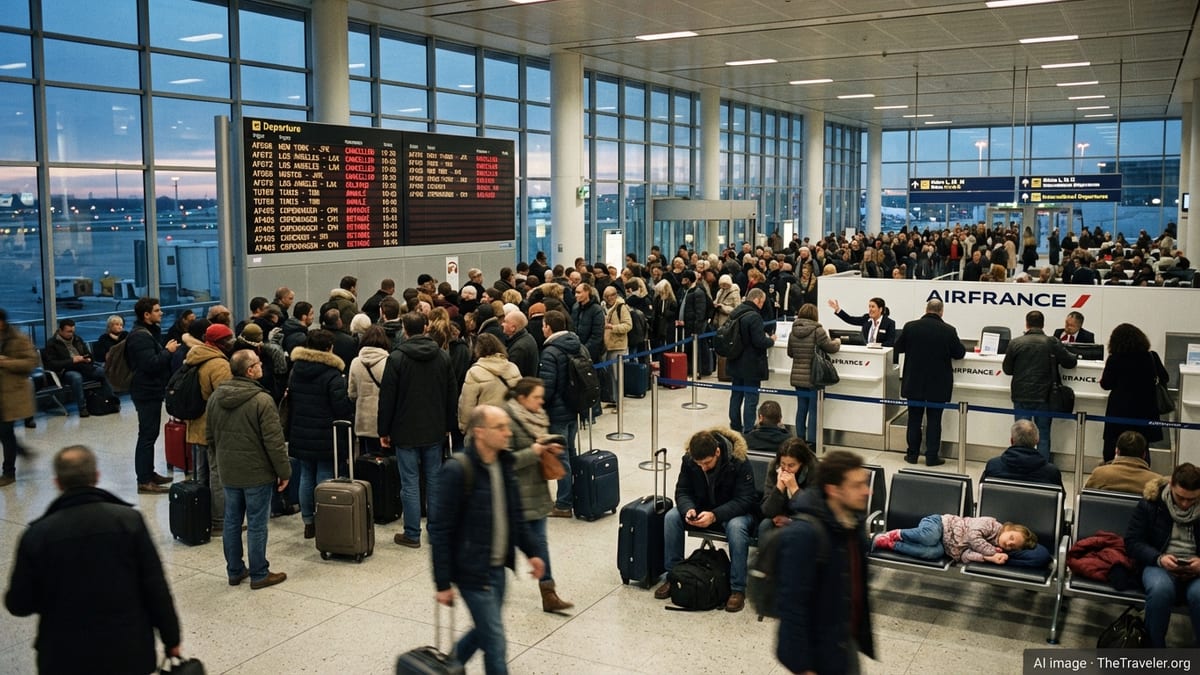
Escalating unrest turns France into a high‑risk destination
Publicly available information shows that protests that began in mid-September 2026 over underfunded schools and teacher shortages have grown into a nationwide movement involving high school and university students, trade unions and other groups. Large marches in Paris, Lyon, Marseille and other major cities have repeatedly descended into clashes, vandalism and looting, particularly on weekend “days of mobilisation.”
Recent coverage of the 2026 French student protests describes masked rioters breaking away from otherwise peaceful marches, smashing shopfronts, setting vehicles alight and confronting heavily equipped police. Images from central Paris in October show burning rubbish bins, shattered glass and crowds scattering as tear gas is deployed around traditional protest hubs such as Place de la République and Place de la Bastille.
Reports from French and international outlets indicate that authorities have struggled to contain the violence at the fringes of demonstrations. In some cities, police have requested or obtained protest bans after nights of looting and arson, while local officials have introduced short-term curfews and restrictions on public gatherings. A national day of protest called for 24 October 2026 prompted particular concern about renewed unrest in central Paris and other major urban areas.
Travel risk analysts note that France already had a background threat from terrorism and civil unrest before the latest protests. The combination of large crowds, confrontations with police and opportunistic criminal activity has significantly increased the likelihood of travellers being caught up in violence or transport shutdowns, especially around city centres and key squares where demonstrations usually begin or end.
Australian travel advice upgraded amid safety concerns
Australia’s Smartraveller service currently advises Australians in France that large-scale protests and demonstrations have occurred across the country and may continue, with some turning violent or causing property damage. The advisory highlights that such events can erupt with little notice and are often accompanied by heavy police deployments, sudden road closures and disruption to public transport networks.
Separate Smartraveller bulletins on the global risk of protests and terrorism stress that even peaceful rallies can quickly become unpredictable. Travellers are urged to avoid all protests, demonstrations and rallies, and to move away immediately if they encounter large gatherings or a visible security build-up. The guidance encourages Australians to subscribe for updates so they can receive emails if the France travel advice is revised again in response to worsening conditions.
Specialist travel-insurance alerts issued from Australia describe the France protests as part of a broader wave of European civil unrest that has affected multiple countries since September. One Australian insurer notes that demonstrations and sporadic rioting in France have resulted in transport delays, interruptions to tours and excursions, and localised damage to property. Some policies treat known unrest as a “foreseen event,” potentially limiting cover for future trip changes, so travellers are encouraged to check their policy wording carefully.
Other governments, including those of Canada, Ireland and New Zealand, have also updated their France advisories in recent days, warning of frequent demonstrations that can quickly escalate into violence and disrupt travel. While advice levels and phrasing vary by country, the common message is that travellers should stay well informed, maintain a high degree of awareness and keep flexible plans.
Impact on flights, trains and major tourist hotspots
Air travel to and from France is currently operating, but recent protest days have coincided with short-notice transport strikes and security-related slowdowns at major airports, according to aviation and travel-industry reports. Travellers transiting through Paris Charles de Gaulle or Orly have been advised to allow extra time for check-in and security screening, and to monitor airline notifications closely in case of schedule changes.
Within France, demonstrations have had a sharper impact. Marches and sit-ins in central Paris and other cities have repeatedly blocked roads and tram lines, while spontaneous gatherings around train stations have temporarily disrupted access. Local coverage and on-the-ground travel forums describe metro stations near protest hotspots being closed at short notice, with trains ordered not to stop at certain central hubs until crowds disperse.
Popular tourist districts have also been affected. Areas around landmarks such as the Champs-Élysées, the Latin Quarter and the historic centres of Lyon and Marseille have seen a heavy police presence on protest days, as well as tear gas and crowd-control measures when violence flares. Travellers staying near major squares or government buildings report late-night noise, sirens and occasional damage to street furniture and shopfronts.
Despite the unrest, some high-profile events in and around Paris are proceeding under tightened security, including a forthcoming American football fixture that has attracted thousands of international visitors. However, fan events and public gatherings linked to such occasions have been scaled back or cancelled where they intersect with protest schedules, highlighting the potential for last-minute changes that can disrupt carefully planned itineraries.
Key precautions for Australians already in France
Safety guidance for Australians in France currently emphasises preparation and situational awareness. Travellers are urged to register with Smartraveller, keep their contact details up to date and share itineraries with family or friends in Australia. They are also encouraged to download reliable news apps and follow local transport operators on social media in order to receive timely updates about planned marches, protest bans or curfews in the areas they intend to visit.
Australians are advised to avoid demonstration hotspots such as central squares, university districts and government precincts on announced protest days, which have often fallen on Thursdays and Saturdays during the current movement. Booking accommodation away from those zones, and planning alternative sightseeing away from city centres when large rallies are expected, can significantly reduce the risk of being caught up in unrest or transport delays.
Basic precautions remain important. Travellers are urged to carry identification at all times, allow extra time for airport and station procedures, and keep a small emergency kit with water, snacks and essential medications in case of unexpected delays. Travel insurance documents and key contact numbers should be stored both digitally and on paper in case phones are lost or damaged during chaotic situations.
Australian guidance also reminds travellers that there is no reciprocal healthcare agreement between Australia and France. Comprehensive travel insurance that includes medical cover is considered essential, especially during periods of unrest when access to hospitals or clinics could be slowed by road closures or security cordons.
What this means for upcoming travel from Australia
For Australians with imminent trips to France, publicly available information suggests a careful reassessment of plans rather than automatic cancellation. While French authorities have not closed borders, the persistence of violent episodes on the margins of protests means that risk is higher than usual, particularly for those planning to spend time in dense urban centres such as Paris, Lyon, Marseille, Toulouse and Bordeaux.
Prospective visitors are encouraged to check the latest Smartraveller advisory for France immediately before departure, then again during their stay, in case the risk level changes or new restrictions are introduced. Airlines and tour operators may offer fee waivers or flexible rebooking options when significant unrest affects their services, but such policies differ and need to be confirmed directly with providers.
Australians with flexible dates may consider postponing non-essential travel until after the current wave of demonstrations subsides. For those who choose to proceed, building contingency into itineraries, avoiding tight connections and planning alternative routes between key destinations can help reduce stress if protests cause disruption on particular days.
Ultimately, the latest warnings represent a strong signal that France’s protest season in late 2026 is unlike routine demonstrations seen in past years. Australians heading to the country are being urged to stay informed, exercise heightened caution and be prepared to change their plans at short notice as the situation evolves.