


More news on this day
Mexican boxing star Canelo Álvarez has arrived in Riyadh ahead of his October 31 world title bout against Christian Mbilli, just as the United States issues stronger warnings about security risks for travelers to Saudi Arabia following recent attacks on airports and other infrastructure.
Get the latest news straight to your inbox!
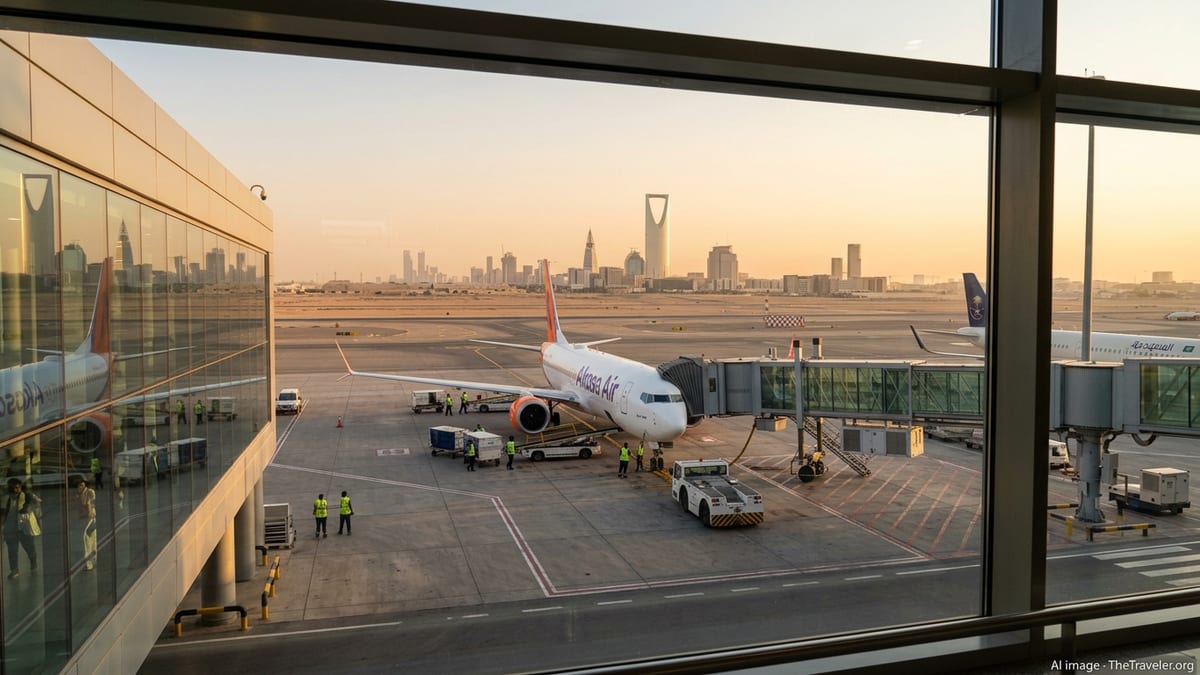
High-stakes bout proceeds under heightened security concerns
According to multiple sports reports, Álvarez landed in the Saudi capital early on October 26, beginning fight week for his World Boxing Council super middleweight title clash with Mbilli, scheduled as part of Riyadh Season programming at a major indoor arena in the city. Coverage indicates that ticket sales, hotel bookings and event logistics remain in place, with organizers signaling their intention to continue as planned.
Publicly available schedules show the fight is one of the highest profile boxing events of 2026 and a key showcase for Saudi Arabia’s investment in elite sport. The bout is expected to draw thousands of international visitors, including fans, support staff and media, even as some broadcasters adjust operations by keeping on-air teams outside the kingdom and relying on remote production based in Europe.
Specialist boxing outlets report that concerns over security have prompted some members of the wider fight entourage to reconsider travel plans. At the same time, social media posts and fan forums suggest many ticket holders are still traveling to Riyadh, while others are monitoring developments in the days leading up to the event.
US travel advisory for Saudi Arabia raised amid Houthi attacks
The US Department of State’s main advisory page lists Saudi Arabia at Level 3, Reconsider Travel, dated October 12, 2026, citing the risk of terrorism and cross-border attacks. The advisory highlights the danger of missile and drone strikes originating from Yemen and notes that U.S. government employees face significant restrictions on travel within certain provinces near the border, including Jizan, Asir and Najran.
In a separate step, a recent consular alert ordered the departure of some non-emergency U.S. government personnel and family members from Saudi Arabia, reflecting what official guidance describes as an increase in attacks on airports and critical infrastructure. Public summaries of the alert state that Iran-aligned Houthi forces have targeted Saudi territory with missiles and drones, causing casualties and travel disruptions.
The wider regional advisory framework also places several neighboring states at the “Reconsider Travel” level for U.S. citizens, reflecting elevated tensions across parts of the Middle East. The State Department’s published criteria explain that Level 3 advisories are used when serious security risks are present, even if conditions do not yet trigger the highest Level 4 designation.
Other governments have signaled similar caution, with public advisories from countries such as Canada describing non-essential travel to Saudi Arabia as inadvisable in light of military and security risks. Together, these notices frame the backdrop against which major entertainment events, including boxing and professional wrestling shows, are scheduled to proceed in Riyadh.
Riyadh’s sports calendar tests resilience of mega-event strategy
Saudi Arabia’s capital has positioned itself as a global stage for high-profile competitions, from boxing and mixed martial arts to football exhibitions and tennis tournaments. The Álvarez vs. Mbilli fight is part of a broader slate of events that authorities in Riyadh have promoted as central to the city’s tourism push and to its ambition to attract international visitors year-round.
Published coverage on the current Riyadh Season indicates that, despite the security climate, several flagship events remain on the calendar, including the Canelo headliner and a major professional wrestling spectacle. Another planned attraction, a high-profile exhibition tennis tournament featuring leading men’s players, has been postponed to December, with organizers citing organizational and logistical factors rather than specific security incidents.
Analysts following the region’s sports economy note that the continuation of events such as Álvarez vs. Mbilli represents a test of Saudi Arabia’s capacity to manage risk while sustaining its investment-driven strategy in global entertainment. The decision to maintain the fight date, even as advisories harden, underscores the financial and reputational stakes for promoters, broadcasters and local partners.
At the same time, publicly reported route changes for some international participants and production teams, including indications that certain staff will base themselves in neighboring countries and travel overland, point to practical adjustments being made behind the scenes as the situation evolves.
What the advisory means for traveling boxing fans
For U.S. travelers contemplating a trip to Riyadh for the fight, the Level 3 advisory signals that significant caution is warranted. The State Department’s public information on advisory levels explains that “Reconsider Travel” is used when serious risks to safety and security exist, and when U.S. government assistance during a crisis may be limited.
The Saudi Arabia advisory urges travelers to be alert to the threat of missile and drone attacks, particularly in areas near the Yemen border and at vital infrastructure, including airports. It notes that attacks in recent months have disrupted air traffic and damaged facilities, and recommends that travelers follow security guidance from their airlines, monitor local media and be prepared for sudden changes to flight schedules.
The same guidance stresses the importance of enrolling in the Smart Traveler Enrollment Program before departure so that U.S. citizens can receive alerts and make it easier for consular staff to contact them in an emergency. In addition, travelers are advised to ensure they have robust travel insurance that covers medical evacuation and trip interruption in the event of security incidents.
Fans arriving for the Canelo card are also likely to encounter enhanced screening at airports and major venues. Public advisories issued in the days leading up to other mass events in Riyadh have urged visitors to allow additional time for security checks and to remain aware of their surroundings in crowded areas such as fan zones, hotels and shopping districts.
Balancing sporting spectacle with evolving risk
Álvarez’s decision to continue with his plans and travel to Riyadh illustrates how elite sport can proceed even in periods of volatility, particularly when long-term commercial agreements and broadcast commitments are involved. For local organizers, keeping the event on the calendar supports the narrative of Riyadh as a resilient, open destination for global entertainment, despite geopolitical headwinds.
For visiting fans and support staff, the juxtaposition of a high-profile title fight with elevated security warnings creates a more complex travel calculation than for previous boxing showcases held in the kingdom. Publicly available commentary from industry figures shows a range of views, from those who see the risks as manageable with proper precautions to others who question whether the event should have been moved or rescheduled.
As fight week progresses, any further updates to official advisories or local security measures are likely to shape the experience for those already on the ground and for last-minute travelers still considering the journey. For now, Canelo Álvarez has reached Riyadh, the ring is being readied, and the city is preparing to host one of the most closely watched sporting events of the year under an unusually scrutinized security spotlight.