


More news on this day
Travellers heading to a major music festival in Devon are being urged to review their plans, as strong winds and heavy rain combine with expected traffic bottlenecks to create difficult conditions on key routes into the county.
Get the latest news straight to your inbox!
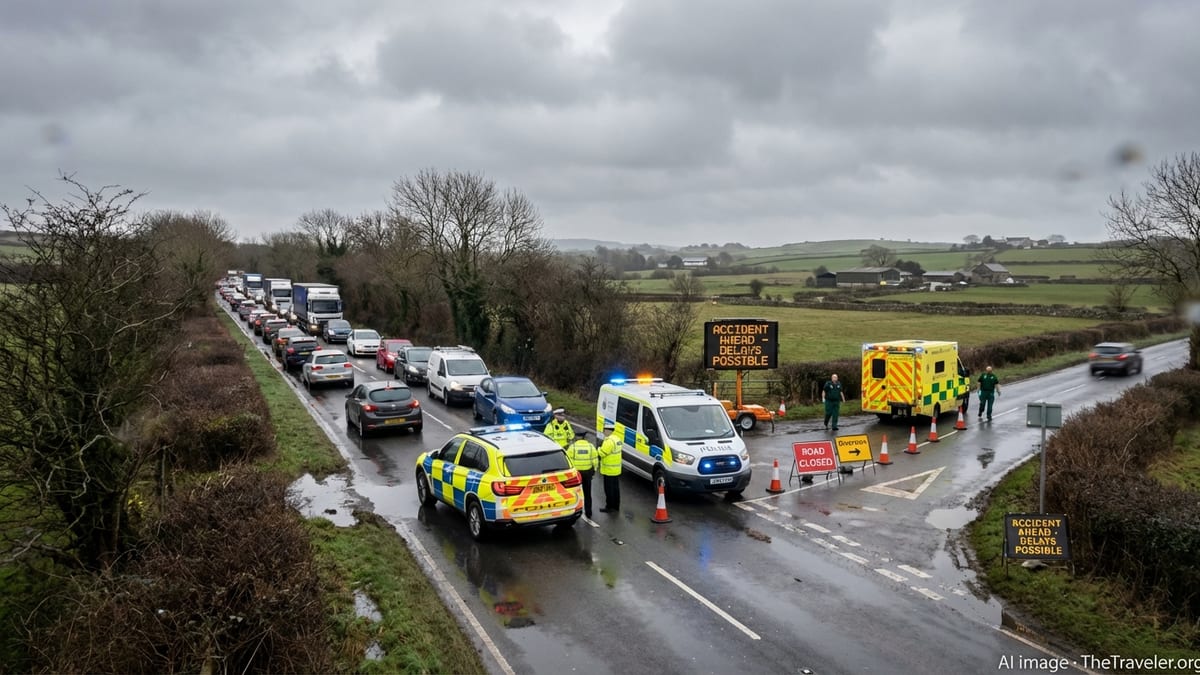
Weather alerts raise concerns for festival weekend
Forecasts for the coming days indicate a spell of unsettled weather across large parts of southern England, including Devon, with strong winds and heavy showers expected to coincide with peak arrival times for festival traffic. Publicly available guidance from national forecasters highlights the risk of gusts approaching 60 miles per hour in exposed coastal and upland areas, alongside periods of intense rainfall that could rapidly reduce visibility on rural roads.
Yellow weather warnings in recent months have already demonstrated how quickly driving conditions in the South West can deteriorate, with earlier alerts citing likely delays to road, rail, air and ferry transport when similar systems moved across Devon and Cornwall. Although the current event is not yet associated with the highest tier of alert, travel updates stress that even lower-level warnings can be enough to trigger significant disruption when combined with high traffic volumes.
Festivalgoers travelling from other parts of the United Kingdom are being advised by transport operators and local travel reports to check conditions repeatedly on the day of departure, rather than relying on forecasts made several days in advance. Rapid changes in wind direction, short-lived squally showers and surface water on single-carriageway routes are all being flagged as potential hazards for drivers towing caravans or carrying camping equipment.
Heavy traffic expected on routes into Devon
The music festival is expected to draw tens of thousands of visitors into Devon over a relatively short window, fuelling concern that already busy summer routes could see long tailbacks. Travel analyses of similar large-scale festivals around the United Kingdom show that local A-roads and key motorway junctions often experience hours of congestion when arrival and departure waves overlap with commuter peaks.
In Devon, particular pressure points are anticipated on motorways and trunk roads feeding into Exeter and surrounding areas, as well as on rural routes leading toward coastal estates and country venues frequently used for large outdoor events. Previous festival weekends elsewhere have seen temporary closures of entry slip roads, restrictions on day parking and diversions for local residents as traffic management plans are activated to keep vehicles moving.
Reports from regional newspapers in the South West indicate that organisers of recent Devon concerts and festivals have already urged attendees to “plan travel” carefully, warning that late arrivals could face long queues for car parks and shuttle buses. With unsettled weather now added to the mix, journey-time estimates published earlier in the season may prove optimistic, particularly for those relying on a single main route into the site.
Organisers tighten site access and safety guidance
Publicly available information about the upcoming festival suggests that organisers are reviewing contingency arrangements that are standard practice for large outdoor gatherings in the United Kingdom. These include temporary speed restrictions on approach roads, phased entry windows for different ticket groups and the possibility of holding traffic at a distance from the site if ground conditions within car parks deteriorate.
Industry guidance for major music events notes that strong winds and heavy rain can affect everything from stage structures and lighting rigs to fencing, signage and temporary camping facilities. In recent years other large festivals have briefly suspended performances, emptied main arenas or closed open car parks when thunderstorms or gale-force winds moved through, leading to sudden surges of people and vehicles seeking shelter.
Information made public by local authorities and event planners for similar Devon gatherings highlights the importance of clear communication around any such changes, including push notifications, social media updates and on-site loudspeaker announcements. While there is currently no suggestion that this week’s festival will be cancelled, the combination of weather risk and high demand on narrow roads means that late-stage adjustments to access arrangements remain possible.
Advice for travellers heading to the festival
Travel and safety bulletins for the South West are advising anyone driving to Devon for the festival to allow significantly more time than usual, particularly on the main arrival days. Drivers are being encouraged to monitor motorway signs, local radio updates and official event channels for information on accidents, road closures or last-minute changes to parking arrangements.
Standard severe-weather guidance for the region recommends that motorists check tyre tread, lights and wiper blades before setting off, carry warm clothing and water in case of delays, and be prepared for standing water and debris on rural stretches. Those using public transport are also being reminded that high winds can lead to speed restrictions or short-notice timetable changes on rail services into Exeter and neighbouring hubs.
Camping visitors are being urged by local safety campaigns to think carefully about where they pitch tents, keeping clear of trees, unsecured structures and any areas that could flood in heavy rain. Festivalgoers planning coastal excursions before or after the event are also being asked to pay close attention to tide times and waterfront safety notices, as strong winds and large waves can make cliff paths, beaches and harbour walls particularly hazardous.
Local impact and community considerations
Beyond the immediate concerns for those travelling to the site, the combination of severe weather and festival traffic is expected to have a wider effect on nearby communities. Previous large events in the county have generated reports of long queues through villages, blocked driveways and difficulties for residents trying to access local services at peak arrival and departure times.
Community risk documents for Devon emphasise that even moderate flooding, high winds and road incidents can strain local emergency and health services, particularly when visitor numbers are high. While the festival itself operates with its own medical and security teams, increased pressure on surrounding road networks and hospitals has been recorded during other major summer events in the region.
Residents in the areas surrounding the festival site are therefore being encouraged, through local media reports and parish communications, to factor the event into their own travel plans, schedule essential journeys outside the busiest periods where possible and stay informed about traffic restrictions. With the weather picture still developing, both visitors and locals are being advised that flexibility and caution will be essential if disruption is to be kept to a minimum.