


More news on this day
United States embassies across the Middle East are urging American citizens to "consider departing, or be prepared to depart" as tensions with Iran deepen and the risk of sudden escalation casts fresh uncertainty over travel, aviation and everyday life across the region.
Get the latest news straight to your inbox!
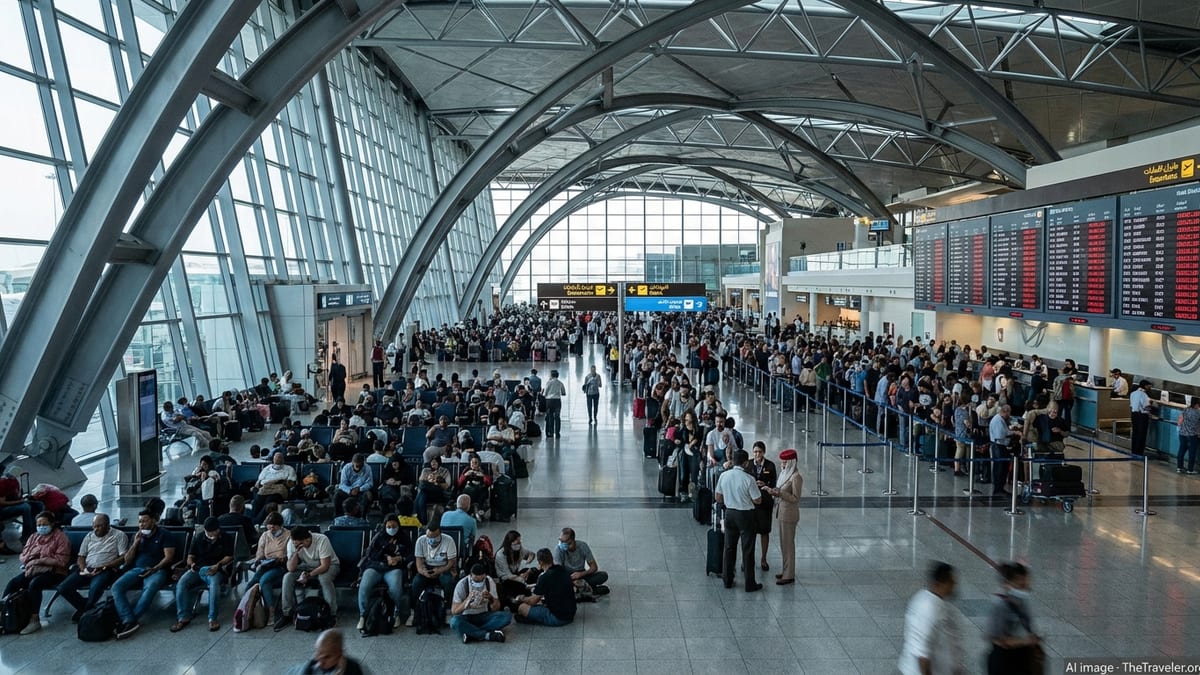
Coordinated alerts tell Americans to ‘prepare to depart’
Recent security alerts issued by US diplomatic missions in the Middle East advise Americans to review their exit options and be ready to leave at short notice if the regional situation deteriorates further. According to publicly available advisories and media summaries, embassies and consulates in Bahrain, Iraq, Israel, Jordan, Kuwait, Lebanon, Oman, Qatar, Saudi Arabia and the United Arab Emirates have echoed similar language about the potential for rapid escalation.
The alerts describe a security environment that is complex and subject to sudden change, highlighting that new strikes or retaliatory attacks tied to the confrontation with Iran could trigger abrupt disruptions. The guidance emphasizes that Americans should not assume that commercial routes will remain open or that routine consular services will be available if violence spikes.
While the wording varies slightly by mission, key messages center on personal preparedness. Citizens are advised to ensure their travel documents are valid, monitor local news and embassy announcements closely, and have an immediate plan for departure if commercial flights or regional land routes begin to shut down.
The language marks a sharpening of previous warnings that had urged travelers to exercise increased caution. The latest text explicitly points to the possibility that Americans may need to make rapid decisions about whether to stay or go, reflecting the current phase of the Iran crisis.
Iran tensions ripple through airspace and travel networks
The updated alerts come as reports indicate a pattern of Iranian-linked missile and drone activity, as well as US and allied strikes, stretching from the Gulf to the Levant. In recent days, coverage from international news outlets has described thwarted missile attacks on US forces, renewed exchanges involving Iran-backed militias, and threats to energy infrastructure and shipping lanes.
This military backdrop is having a direct impact on civil aviation and cross-border mobility. Advisories point to the possibility of temporary airspace closures, curtailed flight schedules and last-minute route changes affecting key hubs in the Gulf and the eastern Mediterranean. Even where airports remain open, carriers may reroute aircraft to avoid contested air corridors or suspend services if insurance and safety thresholds are breached.
Travel risk analysts note that the region’s interconnected flight network means that disruptions in one state can quickly cascade into delays and cancellations across several countries. For American travelers, the practical effect is that a journey that appears normal today could become far more complicated if tensions escalate or a new round of strikes takes place.
Land and sea routes are also under pressure. Earlier waves of the Iran crisis saw periodic bottlenecks at border crossings and concern over maritime choke points, and current alerts reference the potential for renewed disruption around strategic straits and coastal areas.
From routine trips to relocation planning
For many Americans living and working in the Middle East, the latest advisories shift the discussion from routine caution to active contingency planning. Publicly available commentary from residents in the Gulf and Levant indicates that some are reassessing upcoming travel, postponing nonessential regional trips and quietly reviewing relocation options if conditions worsen.
The alerts advise individuals and families to think through practical questions that are often overlooked until a crisis hits. These include identifying which commercial carriers still operate from their nearest airport, checking whether connecting hubs are affected by heightened risk, and confirming access to funds that could be needed to purchase last-minute tickets at higher prices.
In previous phases of the Iran conflict, Americans have faced challenges when leaving the region during periods of intense fighting, including limited seat availability, rapidly rising fares and sporadic closures of airspace. Current guidance underscores that, while consular staff can provide information and limited support, citizens should not rely on the availability of government-organized evacuation flights.
Relocation decisions are often complicated by work obligations, schooling, and family ties in the region. Some Americans are choosing to stay while quietly moving dependents out of higher-risk locations, while others are taking a wait-and-see approach, monitoring whether diplomatic efforts can contain the confrontation.
Implications for tourism and regional destinations
The latest alerts are another setback for tourism-dependent destinations across the Middle East that had been working to rebuild visitor numbers. Gulf cities that market themselves as safe transit and leisure hubs, as well as Red Sea and Mediterranean resorts, are now contending with renewed scrutiny from travelers and travel insurers weighing the implications of the Iran standoff.
Travel industry observers report that bookings from North American travelers to some regional destinations have already softened amid broader concerns over conflict and instability. The new embassy messaging, explicitly advising Americans to be ready to depart, is likely to reinforce a perception of heightened risk even in countries not directly involved in the fighting.
At the same time, some carriers and hospitality operators are attempting to maintain a sense of normality, continuing scheduled services and highlighting local security measures. For now, international media coverage suggests that many popular tourist districts remain calm, even as governments and airlines keep a close watch on developments that could affect flight paths, insurance coverage or demand.
Should the crisis deepen, travel specialists expect a more pronounced shift in itineraries, with some visitors opting for alternative hubs in Europe or Asia, or postponing Middle East travel altogether until there is clearer evidence of de-escalation.
What Americans in the region are advised to do now
The embassy alerts outline several practical steps for Americans already in the Middle East or planning imminent travel there. Citizens are urged to enroll in the State Department’s traveler monitoring systems, regularly review embassy security messages, and keep family or trusted contacts informed of their whereabouts and plans.
Travelers are encouraged to maintain flexible itineraries, favor refundable or changeable tickets where possible, and avoid relying on tight connections through airports that could see sudden operational changes. Guidance also points to the importance of having digital and physical copies of passports, visas and essential medical information, especially for those living far from major consular posts.
Publicly available advisories stress that individuals should assess their own tolerance for risk, factoring in their location, local security posture and the likelihood of rapid escalation. For some Americans in relatively stable parts of the region, this may mean staying informed but not altering plans significantly. For others in more exposed areas, it may prompt accelerated preparations to leave.
As diplomatic efforts continue alongside military maneuvers, the core message from US embassies remains consistent: Americans should keep a close eye on developments, understand that conditions could change with little warning, and be genuinely prepared to depart the Middle East if the Iran crisis enters a more volatile phase.