


More news on this day
The U.S. Embassy in Jerusalem has circulated a new security alert urging Americans traveling to and from Israel to prepare for sudden disruptions ahead of Yom Kippur, as the country enters a period that typically brings both large gatherings and widespread closures.
Get the latest news straight to your inbox!
What the embassy alert is emphasizing for travelers
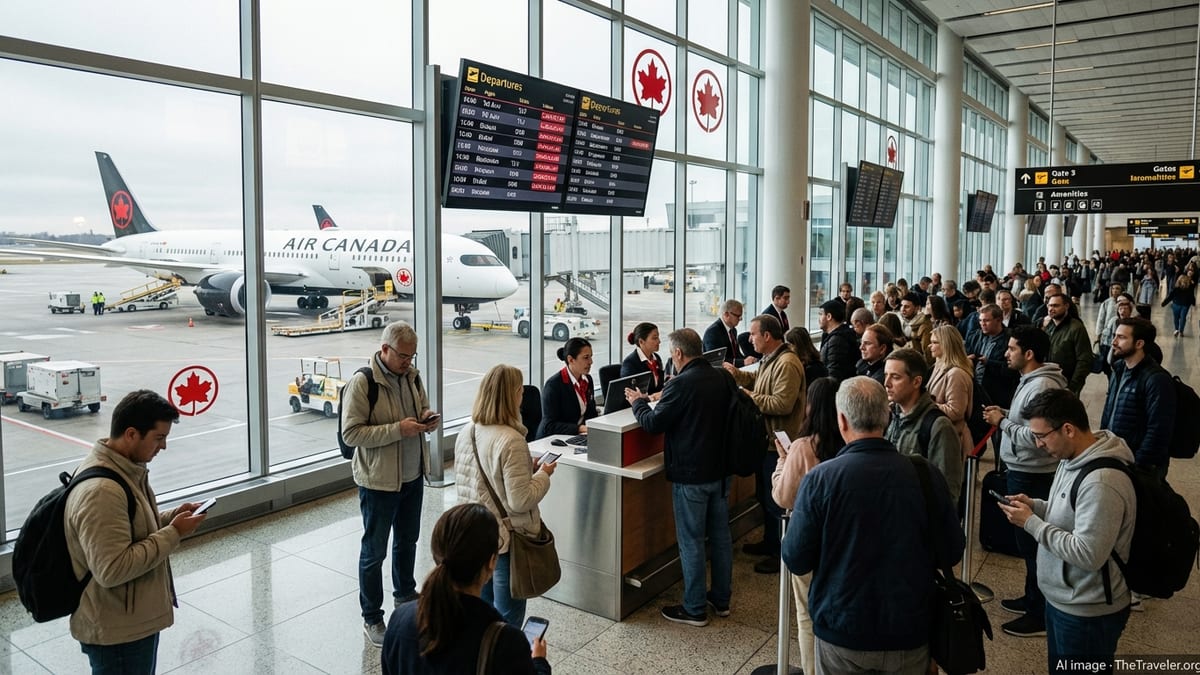
Published coverage indicates the embassy’s Sept. 19 alert highlights the possibility of short-notice flight cancellations and temporary airspace closures, advising travelers not to rely on previously scheduled departure or arrival times. The notice encourages passengers to confirm flight status directly with airlines and to monitor official airport channels for rapid operational changes.
The timing is notable. In 2026, Yom Kippur begins at sundown on Sunday, September 20, and ends after nightfall on Monday, September 21. For Israel’s transportation system and many public services, the practical impact starts earlier on Sunday, when operations begin winding down ahead of the fast.
The State Department’s broader posture remains cautious. Israel is currently listed under a Level 3 advisory, which urges Americans to reconsider travel due to terrorism and unrest, with specific areas flagged as higher risk and subject to additional restrictions.
Yom Kippur closures can complicate last-mile travel
Even without a security-driven disruption, the Yom Kippur period can create travel bottlenecks. In Israel, the holiday is associated with widespread shutdowns, limited commercial activity, and sharply reduced movement. For visitors, that can affect everything from airport transfers to intercity connections and hotel check-ins.
Operational notices for 2026 show transportation networks scaling down well before the holiday begins. Israel Railways has posted that trains will operate on a dedicated schedule on Sunday, September 20, and stop running at 1:00 p.m., with no rail service on Monday night after the fast and a return to regular operations on Tuesday, September 22.
Aviation schedules also shift. Published reporting based on an Israel Airports Authority timetable for Yom Kippur indicates Ben Gurion Airport operations are set to wind down on Sunday afternoon, September 20, with the final departures and arrivals clustered around early-to-mid afternoon. The first inbound international flight is scheduled for Monday night, September 21, around 10:30 p.m., and the first outbound international flight around 11:30 p.m., with a fuller resumption into Tuesday.
Security context: advisory language and movement limits
For many travelers, the embassy’s warning is less about a single incident and more about operating conditions that can change quickly. The State Department’s travel advisory language for Israel describes an unpredictable security environment and notes that airlines may cancel or limit flights during periods of heightened tension.
The advisory also outlines areas where travel is discouraged or effectively off-limits. It lists “Do Not Travel” guidance for specific zones, including areas near the Gaza Strip and certain northern areas described by reference routes, and it notes that additional movement restrictions can be imposed with little to no notice.
For visitors planning side trips, it is also worth understanding that U.S. government employee movement rules, while not the same as restrictions on private U.S. citizens, can signal which locations are considered more sensitive. Separate State Department guidance for the West Bank reiterates heightened risk language and describes tight limitations on personal travel for U.S. government employees, alongside the possibility of sudden additional restrictions.
Practical trip-planning moves for the holiday window
The embassy’s alert and the holiday shutdowns point to the same planning takeaway: build time buffers. Travelers arriving on Sunday, September 20, should anticipate an early-afternoon tapering of transport options and reduced flexibility if a connection is missed. Those departing Israel on Sunday should avoid tight itineraries that depend on same-day rebooking or rapid airport transfers late in the day.
For Monday, September 21, visitors should plan as if they will be staying in place for most of the day. With trains not operating and many services closed, travelers who need to move between cities or reach an airport may have limited options until late Monday evening or early Tuesday. If a hotel change is unavoidable, confirming check-in windows and access arrangements in advance becomes more important during the holiday.
The State Department continues to encourage enrollment in the Smart Traveler Enrollment Program (STEP) so travelers can receive localized alerts. The Israel advisory also recommends travelers know the location of the nearest hardened shelter, avoid demonstrations and crowds, and maintain heightened situational awareness, particularly in areas with security checkpoints or a heavy security presence.
What to watch next: flights, local alerts, and reopening timelines
For Americans already in Israel or arriving during the High Holy Days, the most useful near-term signals are operational. Airline schedule changes, airport operating-hour updates, and local civil-defense guidance can affect travelers faster than headline-level developments. The embassy alert’s emphasis on monitoring official airport information aligns with how quickly aviation operations can change in the region.
As Israel exits Yom Kippur on Monday night, September 21, transportation and airport services are expected to restart in phases. Based on posted rail guidance, regular train operations resume Tuesday, September 22, including overnight services between Monday and Tuesday. For air travel, published schedules indicate late-night Monday flight activity and fuller Tuesday operations, which can translate into crowded terminals and rebooked passengers.
Travelers with flexible dates may find it easier to plan arrivals or departures outside the Sunday-to-Tuesday window, when the combined effects of holiday closures and any short-notice security disruptions can be most difficult to manage.