


Bimini, the tiny Bahamian island just 50 miles off the coast of South Florida, is suddenly on the radar in a big way. Skyscanner’s latest travel trends report lists Bimini as one of the fastest-rising destinations for U.S. travelers for 2027, with searches up about 150 percent year over year. That surge is being driven by Floridians rediscovering an easy, escapist long weekend or even day trip, using a mix of fast ferries, short flights and resort packages that make a Caribbean-style getaway feel almost like an extension of Miami or Fort Lauderdale.
Get the latest updates straight to your inbox!
Why Bimini Is Suddenly Trending
Bimini has long been known to anglers and boaters as the “Gateway to the Bahamas,” but it is only recently creeping into mainstream vacation plans. According to Skyscanner’s 2027 Travel Trends report, Bimini recorded roughly a 150 percent increase in flight searches from the United States compared with the previous year, placing it near the top of a list of trending destinations. Travel + Leisure, reporting on the same data in October 2026, singled Bimini out as the only Caribbean destination on that top-ten list, alongside mostly Florida beach towns. For many U.S. travelers, especially those in Florida, it is emerging as a quick, convenient way to get that turquoise-water escape without a full week off.
The geography helps. Bimini sits about 50 nautical miles from South Florida and roughly 42 miles east of Miami, which means flight times from Fort Lauderdale or Miami are typically around 30 to 50 minutes. Ferries can cross in under two hours in good conditions. That proximity has allowed carriers, from American Airlines’ new nonstop from Miami to South Bimini Airport to regional seaplane operators from Fort Lauderdale, to market Bimini as a low-effort island break. For travelers used to long security lines and connecting flights to reach the Caribbean, the appeal of hopping across the Gulf Stream in under an hour is significant.
Another factor in Bimini’s growth is the type of trip it offers. Rather than sprawling all-inclusive complexes, the island feels compact and approachable. Resorts cluster around the North Bimini coastline near Resorts World Bimini, while smaller hotels, marinas and guesthouses dot Alice Town and South Bimini. Visitors can move easily between beaches, snorkel spots and local restaurants in a single day. Some travelers describe Bimini as a “weekend island,” a place where you can arrive on a Friday ferry, see the highlights and be back at your Florida desk on Monday without feeling rushed.
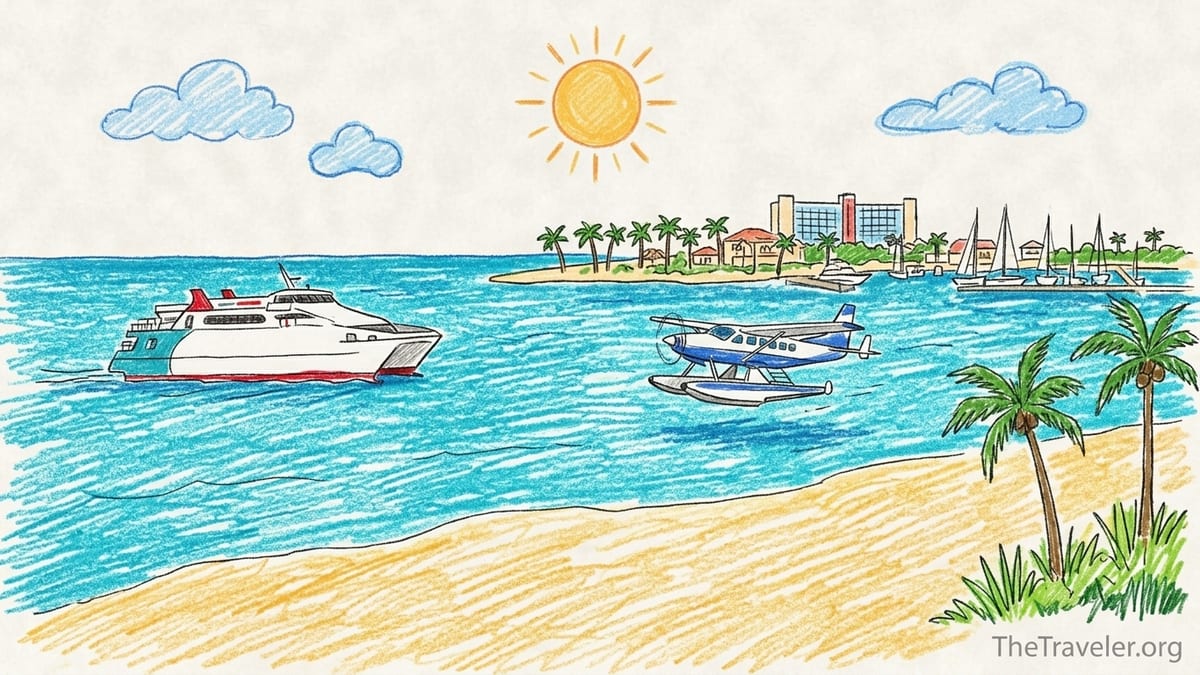
Media coverage has helped fuel curiosity. Outlets like Travel + Leisure have highlighted Bimini’s clear shallows, wild dolphin encounters and laid-back atmosphere, positioning it as a softer alternative to more developed cruise ports. At the same time, social media clips of Balearia Caribbean ferries gliding into Bimini’s pier or seaplanes landing off North Bimini have given the island a made-for-video allure. The combination of easy access, inherently photogenic scenery and a manageable scale helps explain why so many travelers are now typing “Bimini” into flight search boxes.
How to Get to Bimini from Florida by Ferry
For many travelers, the most distinctive way to reach Bimini from Florida is by fast ferry. Balearia Caribbean operates a passenger ferry service between Port Everglades in Fort Lauderdale and Bimini, using high-speed vessels that generally complete the roughly 53-nautical-mile crossing in under two hours each way. County documents from Broward County describe Balearia as operating this corridor since 2011, with sailings to Bimini and Freeport several days a week, and recent timetables show departures to Bimini on select days that are tailored to short stays and day trips.
Balearia’s published pricing for the Fort Lauderdale to Bimini route typically starts from around 180 U.S. dollars round-trip per person before taxes and fees, based on current route and schedule information. Promotional packages can bring that down: some resort deals marketed through Resorts World Bimini, for example, have bundled two nights of hotel accommodation with round-trip ferry tickets for around 200 U.S. dollars per person, a figure that appears in recent traveler reports comparing packages with standalone ferry fares. Because prices change frequently with season and demand, travelers should check current fares when planning, but it is clear that the ferry can be competitive with short-haul flights, especially for groups.
The structure of the ferry day is important for planning. According to timetables compiled by independent ferry information sites, the outbound sailing from Fort Lauderdale typically leaves in the morning, while the return from Bimini sails in the late afternoon or early evening. That timing allows passengers to book a same-day round trip and still get several hours on the island. For example, a recent schedule pattern showed a morning departure around 9 a.m., arrival in Bimini before lunchtime, and a return departing after 6 p.m. Exact times vary by date and season, but the overall design supports both day trips and two- or three-night stays.
Check-in procedures can add to the total travel time, and they are a detail many first-timers underestimate. Guidance from ferry timetable tools and Balearia information notes that check-in in Fort Lauderdale typically opens three hours before departure, and in Bimini about two hours before. Security lines at Port Everglades and boarding processes can be slow, according to travelers posting trip reports, so passengers aiming for a relaxed experience often arrive toward the start of the check-in window and treat the ferry terminal more like an international airport than a cruise pier. Factoring in check-in and immigration on arrival, a Bimini “day trip” can feel more like a 12-hour outing door to door, not simply a quick hop across the water.
Flying to Bimini from Miami and Fort Lauderdale
For travelers who value speed over the sea journey, flying is the other main route between Florida and Bimini. In February 2026, American Airlines launched nonstop service from Miami International Airport to South Bimini Airport, about 50 minutes gate to gate according to a Miami-Dade aviation briefing. The route, marketed under the American Eagle regional brand, uses Embraer E175 aircraft with around 64 seats and has been promoted by the Bahamas Ministry of Tourism as the first-ever nonstop link between Miami and Bimini on a major U.S. carrier. Schedules published around the launch described three weekly flights, although frequencies can shift with seasonality and airline scheduling.
From Fort Lauderdale, smaller carriers handle most of the direct service. Tropic Ocean Airways, a seaplane operator based in Fort Lauderdale, lists flights from Fort Lauderdale–Hollywood International Airport to Bimini, including service into the North Bimini seaplane base and South Bimini Airport. Aviation schedule aggregators show that the seaplane crossing between Fort Lauderdale and Bimini typically clocks in at around 35 to 40 minutes of flight time. Another operator, Tailwind, appears in some schedule listings as offering multiple daily nonstops between Fort Lauderdale and Bimini, although travelers should always confirm current carriers and frequencies since small-airline lineups in the Bahamas change often.
Because these routes are short, the onboard experience is usually informal and focused on views rather than amenities. Seaplane cabins are often configured with around eight to nineteen seats, and luggage allowances may be stricter than on larger jets. One example itinerary might see a traveler leaving a Fort Lauderdale private terminal mid-morning, landing off North Bimini in time for an early lunch at a beach bar, and then returning on a late-afternoon flight. That sort of same-day turn is particularly appealing for South Florida residents who want to experience Bahamian waters without committing to a full resort stay.
Pricing for flights fluctuates more than for the ferry, but snapshots from major metasearch sites suggest that one-way fares between Florida and Bimini can range from roughly 150 to 300 U.S. dollars per person depending on date, airline and how far in advance you book. Seaplane flights booked directly with charter-style operators may price higher on a per-seat basis but offer more flexible departure times or private charters for small groups. Travelers weighing ferries against flights often compare not only base fares but also transfer costs to Fort Lauderdale or Miami airports, baggage fees and the subjective value of a sea crossing versus an aerial view of the Bahamian banks.
Day Trips vs Longer Stays: Choosing the Right Bimini Break
With Bimini now marketed heavily as an easy add-on to a South Florida vacation, many visitors face a key decision: visit as a long day trip from Miami or Fort Lauderdale, or commit to at least one or two nights on the island. The ferry schedule is clearly designed to enable day trips, and some travel vlogs describe a typical pattern of leaving Port Everglades in the morning, spending four to six hours ashore and then sailing back in the evening. Americans on short vacations in South Florida often slot Bimini into a spare day, treating it as an “international beach day” alongside Everglades airboat rides or Key Largo snorkeling.
However, traveler accounts suggest that while a ferry day trip is certainly possible, it can feel compressed. Reddit users who have taken the Balearia ferry frequently mention the long boarding and disembarkation process and the time spent queuing for immigration controls in both directions. One traveler who attempted a same-day run from Fort Lauderdale described feeling that they had only three to four usable hours on Bimini itself after accounting for lines and transfers between the port and beaches. Others note that if weather or sea conditions slow the crossing, shore time may be reduced further.
This reality has led many repeat visitors to recommend at least a one- or two-night stay instead. Resorts World Bimini and other local accommodations offer packages that combine ferry transportation with hotel nights, often for only slightly more than the ferry alone. For example, one widely discussed promotion listed two nights at Resorts World Bimini plus round-trip ferry from Fort Lauderdale for about 200 U.S. dollars per person, based on double occupancy. Deals of that sort are highly date-specific, but they highlight how staying even one night can spread travel time over multiple days and let you enjoy Bimini’s quieter evenings once day trippers and cruise passengers have departed.
For Floridians with flexible weekends, flying in on a late Friday afternoon and returning Sunday by midday can strike the right balance. That pattern has become popular around local events such as Bimini Homecoming, when residents and visitors gather for music, food stalls and beach parties. Travelers who timed their visits for that festival have described enjoying empty beaches and inexpensive food in the days immediately before and after the main festivities. Whether you choose a day trip or a weekend, setting expectations about how much you can realistically see in a short window is crucial to enjoying Bimini rather than rushing through it.
Where to Stay: Resorts, Marinas and Local Options
Accommodation on Bimini clusters around a few key hubs, each offering a different style of stay. The largest single development is Resorts World Bimini on North Bimini, a 750-acre resort and casino complex originally operated under the Hilton flag and still widely known by many travelers as “the Hilton.” The property includes a large infinity pool, marina, casino, several restaurants and access to a beachfront club. Marketing materials position it as an all-in-one playground, and for guests arriving by ferry directly into the adjacent cruise and ferry port, it is the most convenient option: shuttles and trams run between the dock and the resort, and some packages bundle room, ferry transport and resort amenities into a single price.
Reviews of Resorts World Bimini, however, are mixed. Some guests praise the pool complex and ease of hopping off a ship and into a pool chair, while others point to service inconsistencies, crowded weekends and the resort’s distance from more local-feeling parts of Bimini. Day passes sold to cruise and ferry passengers, which can include access to pools, beach club areas and sometimes a food and beverage credit, are popular but can lead to a busy, theme-park atmosphere on peak days. Travelers considering a day pass should look closely at what is included, whether it grants access to the beach club, and how long they actually expect to remain on site compared with exploring other parts of the island.
Beyond Resorts World, Bimini offers smaller-scale stays that appeal to boaters, anglers and independent travelers. The Bimini Big Game Club Resort & Marina in Alice Town is one of the most established, with a marina, pool and dive operation that emphasizes sportfishing and ocean excursions. Its website highlights the Balearia ferry as an alternative way for guests to arrive from Fort Lauderdale, but many visitors also come by private boat or small plane. Smaller guesthouses and vacation rentals on both North and South Bimini provide simpler lodging, often within walking or biking distance of beaches like Radio Beach and local eateries serving conch salad, seafood and Bahamian comfort dishes.
Prices vary widely by season, but a sample survey of booking platforms for high season shows nightly rates at Resorts World Bimini commonly starting in the mid-200 U.S. dollar range for standard rooms, while simpler hotels and guesthouses may start closer to 150 U.S. dollars per night. During off-peak months, particularly late summer and fall when the Atlantic hurricane season is in play, promotions can drop rates significantly. Because availability is limited on such a small island, travelers planning around holidays or major Bahamian events should book early and pay close attention to cancellation policies in case of weather disruptions.
Best Things to Do in Bimini Once You Arrive
Once you have crossed from Florida to Bimini, the island’s compact size makes it easy to sample multiple experiences in a short stay. Many day trippers head first for the beaches within easy reach of the ferry or cruise pier. Radio Beach, near Alice Town on North Bimini, is one of the most popular, offering shallow turquoise water, soft sand and beach shacks that serve drinks and snacks. Travelers planning their own day often sketch an itinerary that includes a couple of hours at Radio Beach, a simple lunch and time left over for a golf cart circuit of the island before returning to the ship or ferry.
Beyond beach time, water-based excursions are a major draw. Local operators around Resorts World Bimini and Alice Town offer snorkeling trips to sites such as the Sapona shipwreck, a partially submerged concrete-hulled vessel from the early twentieth century, where fish congregate around the rusting structure. Other tours combine reef snorkeling with stops to look for wild dolphins in the waters near Bimini, a highlight for many visitors. On calm days, seaplane or helicopter tours from Florida sometimes include flyovers of these same banks, giving travelers a bird’s-eye view of the sandbars and reefs they may later explore by boat.
For those staying longer than a day, Bimini’s small-town rhythm becomes part of the appeal. Evenings often center on simple pleasures: sunset drinks at a marina bar, casual dinners of grilled fish or cracked conch, or strolling along the main road in Alice Town as locals and visitors mingle. Small festivals and events, such as the Bimini Homecoming celebrated by returning residents and their families, add bursts of music and street food to the calendar. Anglers might plan their trip around fishing tournaments that still draw sportfishing boats in pursuit of marlin, tuna and wahoo, continuing Bimini’s legacy as a big-game fishing hub.
Cruise passengers docking at the Bimini cruise port, including those on large ships from major brands, face a choice similar to ferry riders: buy a resort day pass and settle into pools and cabanas at Resorts World, or explore beaches and local spots on their own. Some experienced cruisers recommend simply walking to the free public beach at the end of the pier rather than paying for a resort day, especially if the ship is in port only for a few hours. Others enjoy the resort amenities as a change of pace from the ship. Either way, understanding the layout on arrival and knowing that public beaches exist beyond the main resort complex can help visitors tailor Bimini to their style and budget.
Costs, Practical Tips and When to Go
Choosing between ferry and flight influences not only how you experience the journey but also your total trip budget. A realistic example for a couple from Fort Lauderdale planning a two-night Bimini break might look like this: a ferry-inclusive resort package around 200 U.S. dollars per person, plus resort fees and taxes, transfers on Bimini and meals. That could bring the total to perhaps 800 to 1,000 U.S. dollars for the weekend, not including incidentals. Opting for seaplane flights at, say, 250 U.S. dollars each way per person and booking a boutique hotel separately might cost more but shorten travel time and add the novelty of a water landing.
Travelers should factor in additional expenses such as golf cart rental, which is one of the most popular ways to get around North Bimini. While current daily rates vary, visitor reports frequently mention paying in the ballpark of 60 to 100 U.S. dollars for a full-day rental depending on the cart size and season. Food costs similarly span a range, from inexpensive local conch salad stands and fish fry plates under 20 U.S. dollars to resort dinners where a main course and drink can easily top 40 U.S. dollars per person. Bringing some cash is advisable, although larger resorts and many establishments accept credit cards.
Timing your trip to Bimini involves balancing weather, sea conditions and crowd levels. The most popular months generally mirror the broader Bahamas high season from about December through April, when humidity is lower and the risk of tropical storms is minimal. These months see higher ferry loads, busier resorts and more frequent cruise calls. Shoulder seasons in late spring and early summer can offer slightly lower prices and warm water for snorkeling, but afternoons may be hotter and more humid. From roughly August through October, the Atlantic hurricane season peaks, and while many days are still sunny, travelers during that window should pay close attention to forecasts and ensure that flights, ferries and accommodations allow for weather-related changes.
A few practicalities apply regardless of season. U.S. citizens need a valid passport to enter the Bahamas, even for day trips, and should confirm entry requirements for minors with their airline or ferry operator before travel. Ferry operators advise checking in several hours before departure, and airlines flying to Bimini recommend allowing extra time for international check-in and security, even though the actual flight time is brief. Travel insurance that covers medical care abroad and trip interruptions can be particularly valuable given the potential for weather disruptions on such a short, sea-dependent route.
Ultimately, Bimini’s newfound popularity reflects a larger trend: travelers looking for high-impact, low-time-commitment escapes. Whether you approach across the water on a Balearia Caribbean fast ferry or skim over the Gulf Stream by seaplane from Fort Lauderdale, the moment you step onto Bimini’s docks and see the color of the water, it is clear why search interest has surged. With smart planning, clear expectations about transit and a willingness to either embrace a long day or linger for a weekend, Bimini can deliver a taste of the Bahamas that feels surprisingly close to home for Florida travelers.