


More news on this day
Flight delays and long on-ground waits in the United States have climbed to their highest levels in years, with new consumer research indicating that 2025 delivered the weakest overall on-time performance since the mid-2010s just as demand for air travel surged past pre-pandemic levels.
Get the latest news straight to your inbox!
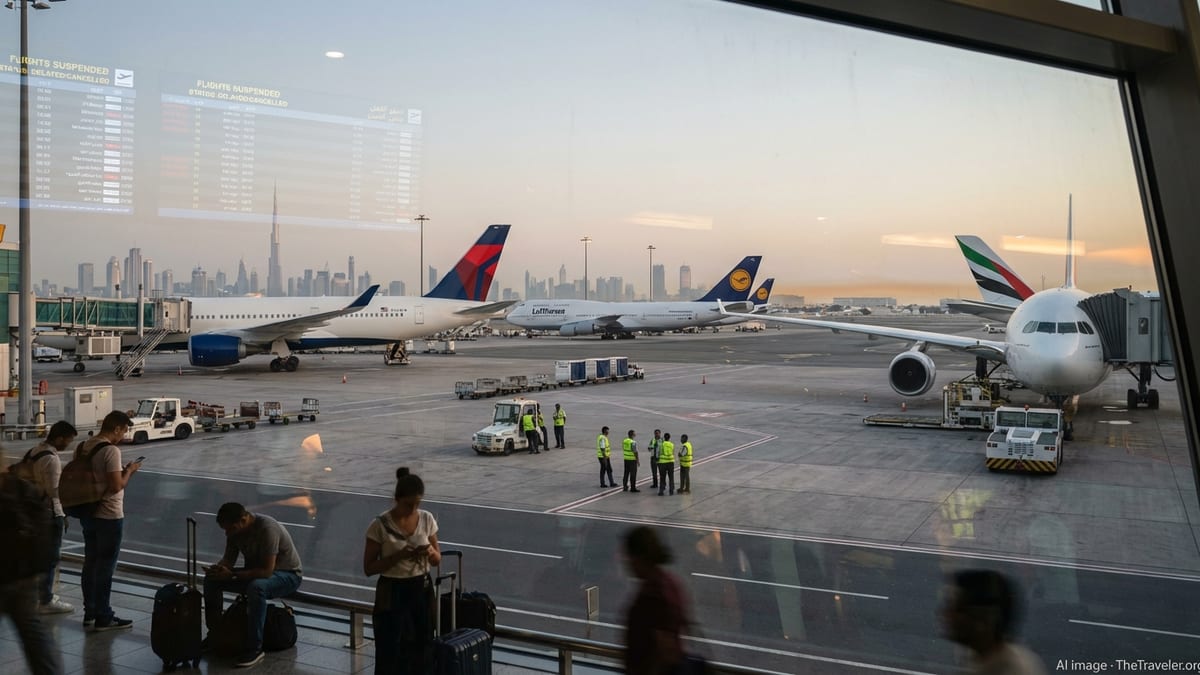
New analysis points to sharp rise in tarmac delays
A fresh review of federal transportation statistics and airline filings finds that extended tarmac delays rose sharply in 2025, even as outright cancellations remained relatively contained. According to published coverage of the analysis, domestic tarmac delays of three hours or more increased by roughly 60 percent compared with the previous year, reaching the highest volume recorded since the current tarmac delay rule took effect in 2010.
The consumer report concludes that 2025 produced the poorest combination of delays, cancellations and long on-board waits in more than a decade. Publicly available data show that about one in five domestic flights has been arriving late in recent years, but the new findings suggest that last year’s performance deteriorated further, pushing delay levels beyond pre-pandemic norms.
While cancellations have hovered near historic lows, the rise in tarmac events highlights a particularly disruptive form of delay. Passengers affected by these incidents are often kept on board for hours as airlines and air traffic controllers work through congestion, weather and staffing constraints, with limited opportunities to move around or access full airport amenities.
Industry observers note that the higher volume of long tarmac waits is occurring at a time when overall flight activity has grown strongly. As passenger volumes match or exceed previous records, even a relatively small share of flights experiencing extended on-board delays can translate into hundreds of incidents affecting tens of thousands of travelers.
On-time performance slips as demand outpaces resilience
Federal on-time statistics compiled by the Bureau of Transportation Statistics show that roughly 78 to 80 percent of domestic flights arrived on schedule in the early 2020s, already weaker than performance seen in some pre-pandemic years. Industry analyses of the same data indicate that on-time rates eroded further through 2024 and 2025, producing the worst overall reliability picture since around 2014.
Analysts point to a confluence of factors behind the slide. Airlines have rebuilt schedules aggressively to capture strong travel demand, particularly on leisure routes, while still contending with tight staffing in some operational roles and an air traffic control system that remains under strain in several key regions. When routine weather or airspace congestion hits, the system has less slack to absorb disruptions, leading to knock-on delays that ripple across the day.
Publicly available government reports also show that a relatively small share of flights accounts for a disproportionate amount of severe delay. Recent data summaries indicate that a modest percentage of late arrivals are delayed by three hours or more, yet those flights represent many of the incidents that ultimately turn into lengthy tarmac waits as aircraft queue for departure or wait for a gate after landing.
Consumer groups argue that the erosion in on-time performance shows that improvements in headline cancellation rates do not fully capture the experience of travelers. While fewer flights may be scrubbed outright compared with the disruptions seen in 2022, more passengers appear to be spending longer stretches in terminals and on aircraft waiting for operations to recover.
Passenger complaints highlight mounting frustration
Although complete federal complaint figures for 2025 are not yet available, earlier data from the Department of Transportation and independent watchdog groups point to a sustained rise in passenger grievances related to delays and customer service. In the years immediately after the pandemic, formal complaints about airline service more than doubled compared with pre-2020 levels, and reports indicate that elevated volumes have persisted.
Consumer advocates reviewing recent federal dockets and summaries say long delays and inadequate information from carriers remain among the most frequent themes. Travelers describe difficulty reaching airline agents during major disruptions, inconsistent rebooking options, and confusion about what they are entitled to receive when flights are significantly delayed but not canceled.
Published guidance from the Government Accountability Office and other oversight bodies has previously identified gaps in how protections around long tarmac delays are monitored and enforced. While steep fines and high-profile enforcement actions have drawn attention to extreme cases, advocates contend that routine but lengthy delays may not always receive the same level of scrutiny.
At the same time, airlines emphasize that they have invested in new technology, staffing and communication tools to manage irregular operations, pointing to improvements in certain metrics such as mishandled baggage and overall cancellation rates. The new analysis, however, suggests that from a passenger perspective, the lived experience of waiting out longer and more frequent delays has overshadowed some of those gains.
Weather, congestion and staffing pressures drive disruptions
Federal transportation statistics attribute flight disruptions to a mix of causes, including carrier-controlled issues, extreme weather and what planners describe as national aviation system factors such as routine weather, airspace congestion and airport operations. Recent annual reports show that national system delays and carrier delays each account for sizeable shares of late arrivals, underscoring that both industry and infrastructure constraints are at play.
Busy hubs in the Northeast and Mid-Atlantic, where airspace is especially crowded, have repeatedly featured in analyses of airports with the highest share of late departures and arrivals. Publicly available airport rankings for 2025 show that on-time performance at some large coastal gateways has lagged the national average by several percentage points, with congestion and weather combining to slow aircraft movements during peak periods.
Staffing challenges have added another layer of complexity. Air traffic control facilities in several metropolitan regions have operated with fewer certified controllers than targeted levels, according to government testimony and transportation statistics, leading to flow restrictions and delays when traffic volumes peak. Airlines, meanwhile, have continued to rebuild pilot and maintenance rosters after voluntary separations and hiring freezes earlier in the decade, leaving less flexibility to recover quickly from disruptions.
These pressures can feed directly into the tarmac-delay statistics highlighted in the latest consumer report. When ground operations and gate availability are tight, arriving flights may wait on the taxiway for longer periods, while departing aircraft may push back from the gate to maintain their place in a congested departure sequence, even if they ultimately spend extended time in line before takeoff.
Calls grow for stronger protections and clearer rules
The renewed attention on long tarmac waits comes as federal regulators weigh broader updates to passenger rights. In late 2024, transportation regulators launched a rulemaking process examining how to strengthen compensation and service standards for delayed and canceled flights, citing sustained public concern over disruptions and a series of high-profile meltdowns in recent years.
Consumer organizations are urging regulators to build on the existing tarmac rule by tightening reporting requirements and clarifying when passengers should be allowed to deplane during extended waits, especially in situations where operational challenges are within an airline’s control. They argue that more granular public data on delay causes and on-board wait times would enable travelers to compare carriers more effectively and encourage stronger performance.
Industry groups, in contrast, have warned against prescriptive rules that they say could constrain airlines’ ability to manage irregular operations safely and efficiently. They contend that existing regulations, combined with competitive pressure and voluntary customer-service commitments, already create strong incentives to minimize severe delays and tarmac events.
For now, analysts expect that delay and tarmac-wait statistics will remain under close scrutiny as the peak summer travel season of 2026 gets underway. With federal data still catching up to real-time conditions, the latest consumer findings serve as an early signal that, for many travelers, the nation’s air system continues to feel stretched even as headline cancellation numbers improve.