


More news on this day
The United States has issued a new worldwide caution for its citizens abroad, urging American travelers to exercise increased vigilance as heightened tensions in the Middle East and a volatile global security environment raise the risk of disruptions and potential attacks in popular destinations.
Get the latest news straight to your inbox!
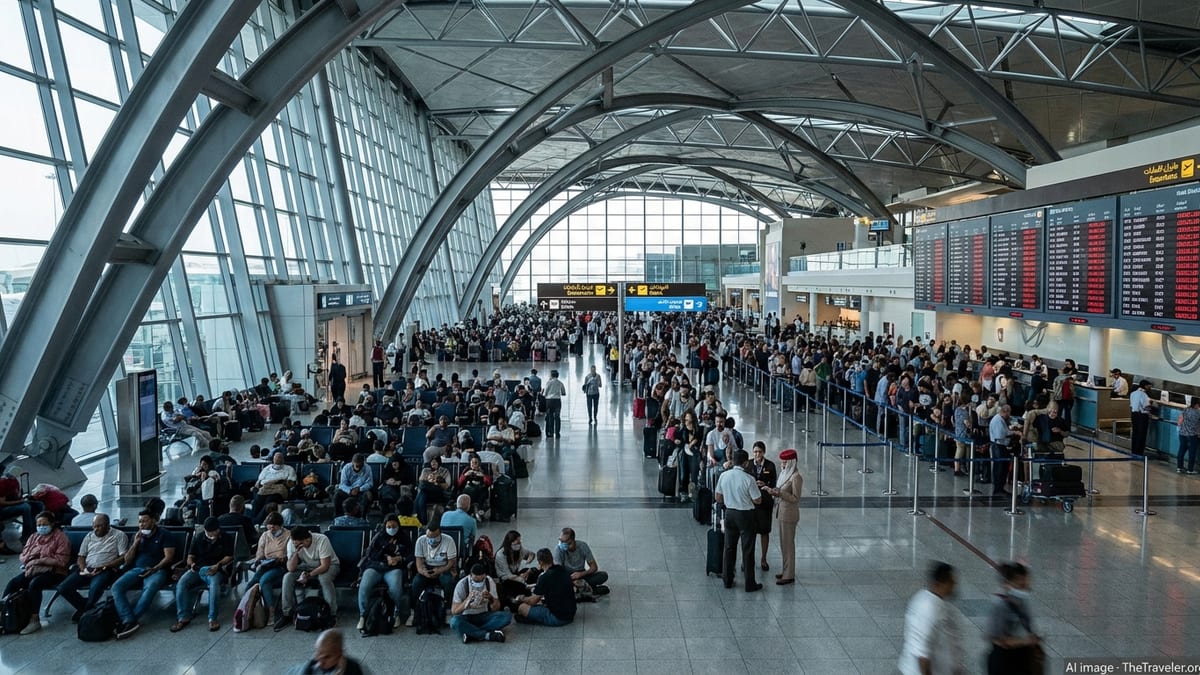
A Rare Global Alert Reaches Everyday Travelers
The latest worldwide caution, updated this week by the U.S. State Department, underscores that security concerns are no longer confined to traditional conflict zones. Publicly available advisories describe a complex, fast-moving threat landscape, with particular focus on spillover risks from the Iran war and broader instability across the Middle East.
The worldwide caution emphasizes that American citizens overseas should be prepared for sudden changes in local conditions. Recent coverage in U.S. and international media notes that consular messages now routinely reference the possibility of rapid escalations, including demonstrations, cyber incidents, and opportunistic attacks targeting locations associated with the United States.
Although similar global alerts have appeared in previous years, analysts quoted in major outlets say the current warning stands out for its timing and breadth. It arrives amid concurrent crises, from regional wars to cartel-linked violence and political unrest in several parts of the world, all of which have implications for international travel.
For leisure and business travelers, the message translates into a clear shift in tone. Instead of treating security as a background consideration, the advisory encourages Americans to place risk assessment on the same level as price, convenience, and comfort when planning trips abroad.
Heightened Risks Linked To Middle East Conflict
According to publicly posted information on the U.S. travel advisory portal, the immediate trigger for the renewed worldwide caution is the ongoing conflict involving Iran and regional actors. Reporting by outlets such as Travel + Leisure and UPI highlights that the alert specifically references heightened tensions, the potential for unforeseen escalation, and a pattern of recent attacks and threats directed at U.S. interests.
Country-specific advisories across the Middle East and adjacent regions already run from “reconsider travel” to “do not travel” in many cases, reflecting sustained concerns about missile strikes, drone activity, cross-border clashes, and civil unrest. The global caution effectively stitches these localized warnings into a broader narrative, signaling that secondary impacts may be felt far from front-line states.
Coverage of recent events points to several areas of concern: pressure on commercial aviation routes, periodic airspace closures, and targeted threats toward diplomatic facilities and symbolic Western sites. Even in destinations that remain open to tourism, the risk picture can shift quickly as regional dynamics change.
Travel experts quoted in multiple reports suggest that Americans transiting major hubs in the Gulf and Eastern Mediterranean pay particular attention to flight status updates and local news, as routings through these gateways are more exposed to knock-on effects from military or political developments.
Practical Implications For Flights And Itineraries
The worldwide caution has immediate, tangible implications for trip planning. Public information notes that Americans in or traveling through Middle Eastern airspace should be ready for last-minute schedule changes, diversions, or cancellations as airlines adjust to evolving risk assessments and regulatory constraints.
Some carriers have already reduced frequencies or rerouted flights around conflict areas in recent months, according to aviation industry reporting. Travelers passing through affected corridors may encounter longer travel times, unexpected overnights, and more extensive security screening, even if their final destination lies outside the region.
Insurance is another key factor. Industry briefings indicate that some policies include exclusions or special conditions for destinations under U.S. Level 3 or Level 4 advisories. The global caution, while not itself a country-specific warning, can influence how insurers interpret risk, especially when combined with elevated advisory levels in multiple countries along a traveler’s route.
Trip planners are also watching for changes in cruise itineraries, overland tour routes, and port calls. When risk spikes, operators may substitute ports, shorten seasons, or temporarily suspend operations in particular areas. The worldwide caution signals that such shifts could become more common, with less advance notice, as security conditions evolve.
How Travelers Are Urged To Respond
Public guidance associated with the worldwide caution stresses preparation rather than panic. Travelers are encouraged to review destination-specific advisories, register their trips with official citizen enrollment programs, and ensure they can receive security updates by phone or email while overseas.
Safety recommendations highlighted in official materials and widely summarized by media outlets include staying aware of surroundings, avoiding large demonstrations, and maintaining a low profile around government buildings, religious sites, and other locations that may attract security incidents. Travelers are also urged to keep copies of key documents, such as passports and visas, in secure digital or physical formats.
Experts interviewed in travel and security publications emphasize the value of contingency planning. That can mean identifying alternative routes home, carrying an emergency fund, or discussing evacuation options with employers or study-abroad programs. The worldwide caution reinforces that emergencies often disrupt communications, banking systems, and transportation simultaneously, complicating ad hoc responses.
For many frequent travelers, the new alert may function as a prompt to reassess long-standing habits. Simple steps such as sharing itineraries with trusted contacts, using reputable local transportation providers, and checking local laws and customs before arrival can reduce vulnerability to both crime and geopolitical shocks.
Balancing Wanderlust With A New Risk Reality
Despite the serious tone of the worldwide caution, travel industry observers note that global tourism has not ground to a halt. Recent data cited in business coverage shows international passenger volumes continuing to recover, even as advisory language grows more pointed in several regions.
Travel analysts argue that the key shift is not whether Americans travel, but how. There is growing interest in destinations perceived as politically stable, as well as in travel products that prioritize flexibility, such as fully refundable fares and accommodations that allow late changes without penalties.
Some tour operators and airlines are responding by placing greater emphasis on transparent risk communication, emergency support services, and flexible booking policies. The renewed worldwide caution is likely to reinforce this trend, as travelers seek partners that can help them navigate sudden disruptions and complex local environments.
For now, the State Department’s message is that Americans can still explore the world, but with a different mindset. The new global alert underscores that in 2026, successful international travel depends as much on situational awareness and preparation as on planning the perfect itinerary.