


More news on this day
The U.S. State Department has issued a renewed worldwide caution for Americans living and traveling abroad, urging heightened vigilance as regional conflicts and security threats create a more unpredictable environment for U.S. citizens overseas.
Get the latest news straight to your inbox!
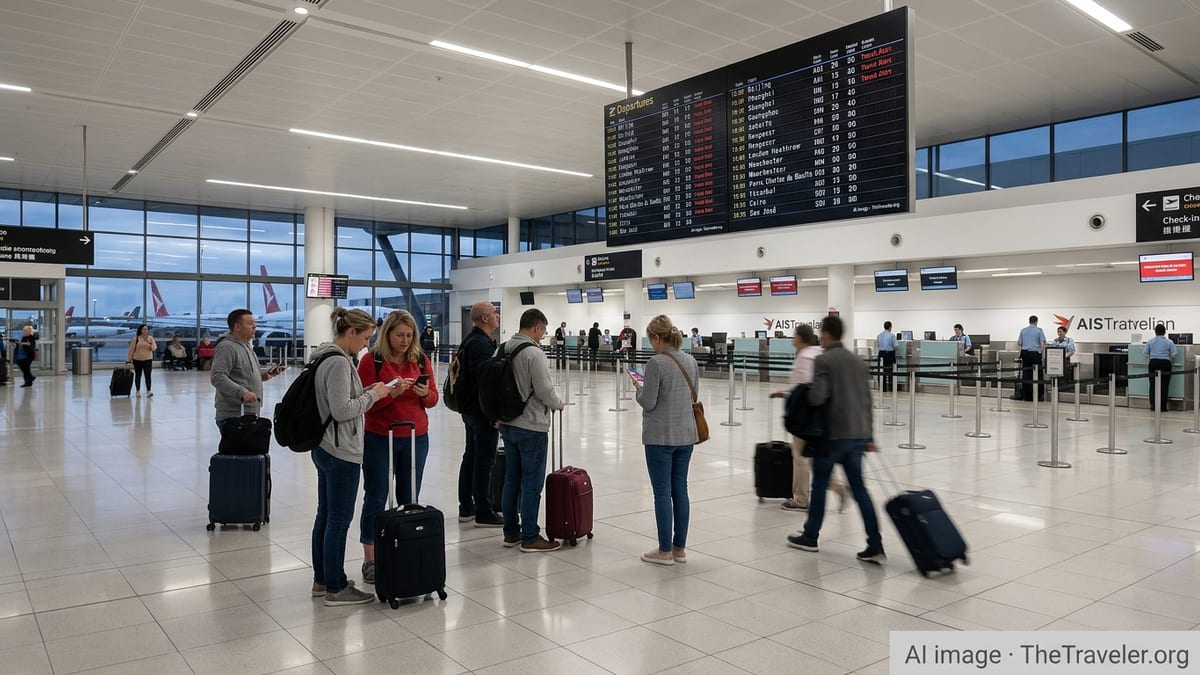
Heightened Worldwide Caution Amid Middle East Tensions
According to publicly available information on the State Department’s travel advisory pages, the latest security alert, updated in late July, advises Americans worldwide to exercise increased caution, with particular attention to developing risks in and around the Middle East. The guidance notes that a combination of geopolitical tensions, threats toward U.S. diplomatic facilities and the possibility of retaliatory attacks has raised concern for U.S. citizens living or traveling abroad.
Recent coverage from travel and general news outlets indicates that the alert reiterates a pattern seen in earlier advisories this year, but with stronger emphasis on the potential for rapid escalation. Reports describe a more complex security picture for Americans in countries where regional disputes, proxy conflicts or anti-U.S. sentiment may spill over into risks for individuals perceived as being tied to the United States.
The worldwide caution does not bar Americans from traveling, nor does it impose new legal restrictions. Instead, it encourages travelers and long-term residents abroad to remain alert to their surroundings, monitor local media and official updates, and be prepared to adjust plans quickly if conditions deteriorate in their destination or country of residence.
Media summaries of the alert highlight that the advisory is framed as a global reminder rather than a warning specific to a single country. However, the language underscores heightened concern in certain regions, particularly where past incidents have shown that diplomatic compounds, hotels frequented by foreigners, transportation hubs and large public gatherings can be more vulnerable to security incidents.
What the Advisory Urges Americans Overseas To Do
In its public materials, the State Department encourages Americans abroad to review country-specific travel advisories before departure and while in country, paying close attention to four-level risk ratings that range from normal precautions to “do not travel.” Travelers are urged to identify the nearest U.S. embassy or consulate, familiarize themselves with local emergency contacts and keep copies of important documents in secure but accessible locations.
Public guidance also recommends that Americans maintain a low profile in higher-risk environments, avoid demonstrations and large political gatherings, and be cautious about sharing detailed itineraries or personal information with strangers. Security information for international travelers stresses that even events that begin peacefully can shift quickly, and crowd-control measures by local authorities may be unpredictable.
Published travel safety materials further emphasize the importance of registering trips and overseas residence with official enrollment programs, which allow U.S. missions to disseminate security alerts and other urgent messages to citizens more efficiently. Registration can also help consular staff contact travelers or their families in the event of an emergency, including natural disasters, civil unrest or disruptions to transportation networks.
The broader message in the latest caution, as reflected in government and academic briefings on consular security, is that Americans should treat travel planning as a form of risk management. That includes evaluating personal risk tolerance, understanding local conditions beyond tourism marketing, and having contingency options if flights are canceled, land borders close or communications are temporarily disrupted.
Regional Flashpoints and Travel Disruptions
The renewed worldwide caution comes against a backdrop of ongoing conflicts and localized crises that have already prompted targeted alerts in recent months. Publicly available advisories cite persistent instability in parts of the Middle East and North Africa, as well as episodes of unrest tied to militant activity, political transitions and proxy clashes involving regional powers.
Reports on the latest alert indicate that Americans are warned specifically about the possibility of threats to U.S. diplomatic facilities and locations associated with the United States. These can include hotels popular with U.S. visitors, international schools, non-governmental organizations, or commercial sites viewed as connected to American interests. In some past situations documented by official travel pages, such risks have led to temporary drawdowns of embassy staff, restrictions on employee movement or ordered departures from certain countries.
Coverage of the advisory also notes that the State Department points to potential travel disruptions, including periodic closures of airspace, suspension of commercial flights and delays at border crossings. When regional tensions flare, airlines may reroute or cancel flights at short notice, leaving travelers with limited options to exit affected areas. Americans are therefore urged to maintain flexible itineraries, keep some reserve funds available and regularly check with carriers for schedule changes.
Security analysts cited in recent explainers about the alert observe that while such cautions can sound broad, they often reflect patterns that have emerged from multiple smaller incidents rather than a single major attack. For travelers, this means that conditions may appear relatively normal on a day-to-day basis even as risk levels are judged to be elevated in the background.
Understanding Travel Advisory Levels and Risk Signals
The worldwide caution sits alongside the State Department’s country-by-country advisory system, which assigns each destination a level from 1 to 4. Public guidance explains that Level 1 calls for normal precautions, Level 2 advises increased caution, Level 3 urges travelers to reconsider travel, and Level 4 recommends that U.S. citizens not travel to that destination at all. Many popular destinations for Americans currently fall into Level 1 or Level 2, while a smaller group is listed at Level 3 or Level 4 because of conflict, crime, health emergencies or other serious risks.
According to current postings on the advisory site, some countries that are popular with American tourists have recently shifted between levels as security or public health conditions change. For example, periods of cartel-related violence, large-scale protests or disease outbreaks have led to updated assessments that remain in place only as long as the underlying risks persist. Travelers are encouraged to track these shifts, since they can influence not just personal safety decisions but also insurance coverage and airline operations.
In addition to numerical levels, advisories often include lettered risk indicators such as terrorism, crime, civil unrest, health or wrongful detention. Publicly available hearings and policy documents on consular affairs explain that these tags are designed to draw attention to the types of dangers that are most relevant in a particular country. Americans who rely only on headline ratings without reading the underlying explanations may miss details that matter for their specific plans, such as restrictions on overland travel at night or warnings about kidnapping in certain regions.
Security practitioners who contribute to travel risk guidance frequently recommend that Americans planning complex itineraries, long-term stays or business operations abroad consider consulting multiple sources, including local news, independent security analyses and on-the-ground contacts. Combining those perspectives with official advisories can provide a clearer sense of whether risks are rising or falling in a given destination.
Practical Steps for Americans Planning International Travel Now
Although the renewed worldwide caution reflects an elevated risk environment, travel experts and public guidance materials note that many Americans continue to travel safely when they prepare thoroughly and remain adaptable. Practical steps highlighted in travel safety resources include sharing itineraries and contact details with trusted family or friends, agreeing on check-in schedules, and storing digital copies of passports and key documents in secure cloud or encrypted formats.
Travel safety advice also encourages Americans to review local laws and customs before arrival, recognizing that behavior that is allowed in the United States may be restricted or penalized elsewhere. Understanding regulations on public gatherings, photography, alcohol, dress codes and speech can help prevent inadvertent legal problems that might be more complicated to resolve amid heightened security tensions.
Publicly available guidance suggests that Americans should keep mobile devices charged, maintain basic emergency supplies such as a small first-aid kit and medications, and know how to contact local emergency services. In areas with known security concerns, travelers are advised to vary their routes and routines, avoid lingering near military installations and government facilities, and move away from any scene where they observe unusual security activity, crowds forming or sudden closures.
For Americans already living abroad, the latest advisory serves as a reminder to periodically review personal security plans, reconsider travel to border regions or conflict-adjacent areas, and stay engaged with local community networks that may provide rapid updates during unfolding events. While the overall message is one of caution rather than alarm, the renewed worldwide alert signals that the global risk landscape for U.S. citizens remains fluid and requires closer attention than in more stable periods.