


More news on this day
Travel across the United States faced renewed disruption on Saturday, June 27, as airports in California, Georgia, New York, New Jersey and Colorado reported 28 flight cancellations and 516 delays, affecting operations at major carriers including Delta Air Lines, United Airlines, Southwest Airlines, American Airlines, JetBlue Airways, Lufthansa and British Airways, according to aviation tracking data and industry reports.
Get the latest news straight to your inbox!
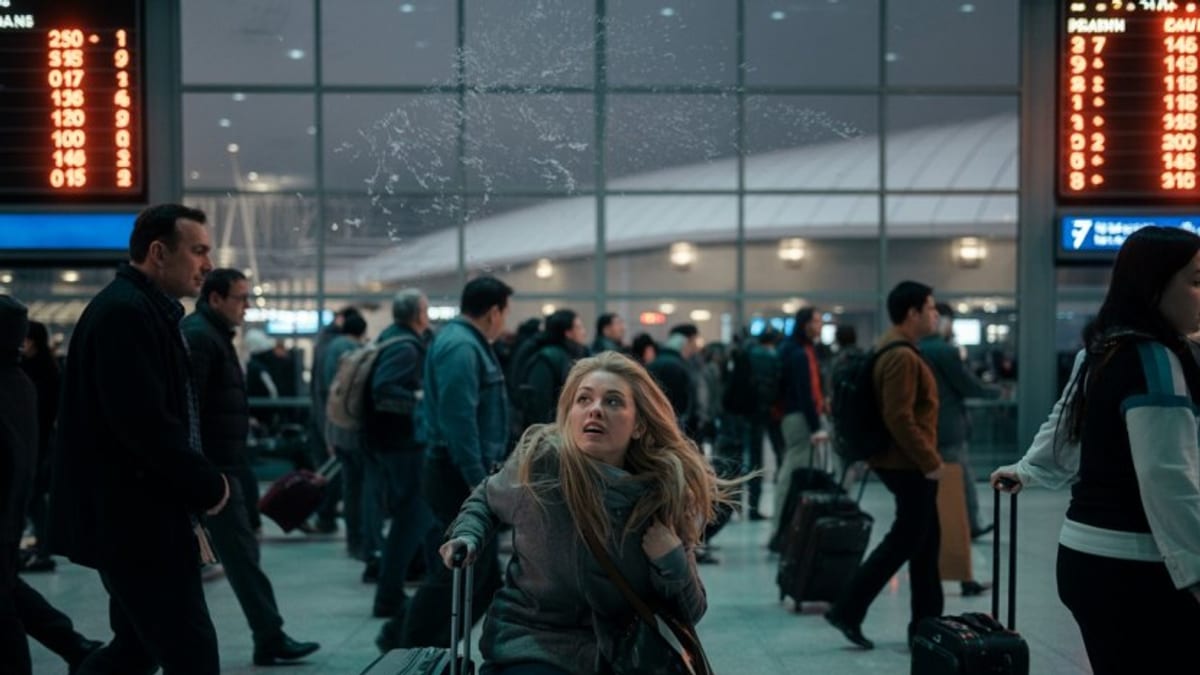
Targeted Turbulence Within a Wider Day of Disruption
The 28 cancellations and 516 delays recorded across the five states represent only a slice of the wider national picture, but they highlight how quickly local issues can trigger broader knock-on effects. Published coverage of today’s network performance indicates that, nationwide, around 100 flights were cancelled and more than 4,500 delayed, showing that the cluster in California, Georgia, New York, New Jersey and Colorado formed a significant share of the overall strain on the system.
Within this group of states, major hubs such as Atlanta, Denver, New York City area airports and key California gateways played an outsized role. Operational data shows that even when outright cancellations remain relatively limited, a concentration of delays at a few congested airports can disrupt airline schedules for hours as aircraft and crews fall out of position and connecting passengers miss onward flights.
The pattern seen today follows several recent days of elevated disruption across the country, suggesting that the network is still sensitive to any combination of summer weather, heavy demand and tight scheduling. Reports from recent weeks already documented thousands of delayed flights on multiple occasions, underscoring that today’s figures are part of a continuing period of volatile operations rather than an isolated incident.
For travelers, the practical impact of 28 cancellations and more than 500 delays is visible in longer lines at rebooking counters, stretched call centers and crowded gate areas. Even when flights ultimately depart, late departures can translate into missed connections at hub airports and a scramble for remaining hotel rooms when onward journeys are pushed into the following day.
Major Airlines Share the Strain
Publicly available tracking information attributes the disruptions to a wide range of domestic and international airlines. Delta Air Lines, United Airlines, Southwest Airlines, American Airlines and JetBlue Airways all reported affected operations within the five states, while long-haul carriers such as Lufthansa and British Airways also encountered schedule changes on transatlantic routes linked to these hubs.
Industry reporting over recent weeks has repeatedly shown the same big network carriers appearing at the top of national delay and cancellation tallies. On other recent high-disruption days in June, airlines such as Southwest, American, United and Delta featured prominently in nationwide statistics, reflecting their heavy reliance on busy hubs and complex, highly interconnected schedules. Today’s pattern, with multiple large brands sharing the burden, fits that wider trend.
International airlines are not immune. When departures from gateways like New York, Newark, Los Angeles or San Francisco are pushed back, inbound aircraft may arrive late to Europe or beyond, where airport nighttime curfews and airspace restrictions can limit flexibility. That in turn can reverberate into the next operating day as crews reach duty time limits and aircraft cycles are compressed.
At the same time, not all carriers are affected equally. Regional operators and low cost carriers with point to point networks may see fewer knock-on delays if their aircraft and crews are less dependent on a single overstretched hub. However, published nationwide figures this month show that on severe days even these airlines can experience rising disruption as congestion spreads between airports.
Weather, Congestion and Operational Pressures Intersect
Weather remains a primary driver of flight disruption, and real time data from federal aviation systems for June 27 shows ground delay programs and traffic management initiatives at several major airports, particularly along the coasts. Thunderstorms, reduced visibility and airspace flow restrictions can prompt temporary pauses or speed reductions in arrivals and departures, quickly leading to a backlog of flights waiting for slots.
Summer travel demand adds another layer of complexity. Airlines have scheduled dense timetables to meet peak-season demand, often with limited slack in fleets and staffing. Industry analyses in recent months have pointed to tight crew availability and stretched maintenance capacity across several major carriers, meaning that any unplanned technical issue or crew time limit can trigger a cancellation or rolling delay.
Infrastructure constraints also play a role. Many of the affected airports in California, Georgia, New York, New Jersey and Colorado operate near capacity during busy periods. When a surge in arrivals or departures coincides with weather restrictions or runway work, the margin for recovery shrinks. Published accounts from previous disruption days this month describe how airports such as Dallas Fort Worth, Miami and Chicago have seen small local issues ripple into large scale delays when schedules are already saturated.
Today’s figures thus reflect a familiar combination of factors rather than a single root cause. While no national safety incident has been cited in connection with the disruptions, the operational strain illustrates how dependent the system remains on consistent weather and precise scheduling, especially during a historically busy summer travel period.
How Today Fits Into a Broader June Pattern
June 27 follows several consecutive days of elevated disruption across the United States. On June 26, various monitoring services and news outlets recorded more than 2,600 delays and around 75 to 80 cancellations nationwide, with significant clusters in Texas, Florida, Illinois, Georgia, Colorado, New York and New Jersey. Earlier this week, coverage highlighted another wave of more than 3,800 disrupted flights nationwide, striking many of the same carriers that appear in today’s tallies.
This sequence indicates that the current disruption is more of a rolling pattern than a one day anomaly. Each day’s delays can complicate the next day’s operations as aircraft and crews begin the schedule out of position. Recovery windows are narrow, and any new storm system or airspace constraint can quickly eat up the available slack.
The focus on today’s 28 cancellations and 516 delays in five states therefore provides a snapshot of a larger story. California and New York in particular host multiple high traffic airports that serve as crucial national and international gateways. When those airports experience persistent delays, travelers across the network, including those departing smaller regional fields, can feel the effects through missed connections and aircraft substitutions.
Analysts tracking on time performance this month note that, while total cancellation numbers have generally remained below the peak levels seen during major winter storms or systemwide outages in past years, the sheer volume of delayed flights still represents a significant erosion of reliability from a passenger perspective.
What Travelers Can Do Right Now
With delays and cancellations continuing to fluctuate through the day, travelers scheduled to depart from airports in California, Georgia, New York, New Jersey and Colorado are being urged by airlines and consumer advocates to monitor flight status closely through official apps and airport information screens. Same day schedule changes have been common throughout June, even for flights that appeared on time earlier in the day.
Transportation consumer guidance from federal agencies explains that passengers may have different options depending on whether their flight is cancelled, significantly delayed or still operating with a modest schedule change. In some cases, airlines may offer free rebooking, travel credits or meal and hotel assistance, particularly when disruptions are linked to factors within the carrier’s control.
Travel experts frequently recommend building extra time into itineraries during periods of heightened disruption, particularly for trips involving tight connections, international departures or time sensitive events. Recent cases described in public forums show that travelers who scheduled longer layovers or arrived a day early for major occasions were better able to absorb rolling delays and rebookings.
As the day progresses and airlines work through the backlog, additional delays or a modest rise in cancellations remain possible if storms redevelop or traffic control programs are extended. For now, the figure of 28 cancellations and 516 delays in five key states underlines how even a relatively contained set of operational challenges can translate into a difficult travel day for thousands of passengers across the United States.