


More news on this day
As Europe absorbs another cycle of summer heatwaves, Switzerland and a band of cooler northern and alpine countries are emerging as the continent’s leading “coolcation” choices, drawing hikers and cyclists seeking fresh air, milder temperatures and high-altitude trails instead of crowded Mediterranean beaches.
Get the latest news straight to your inbox!
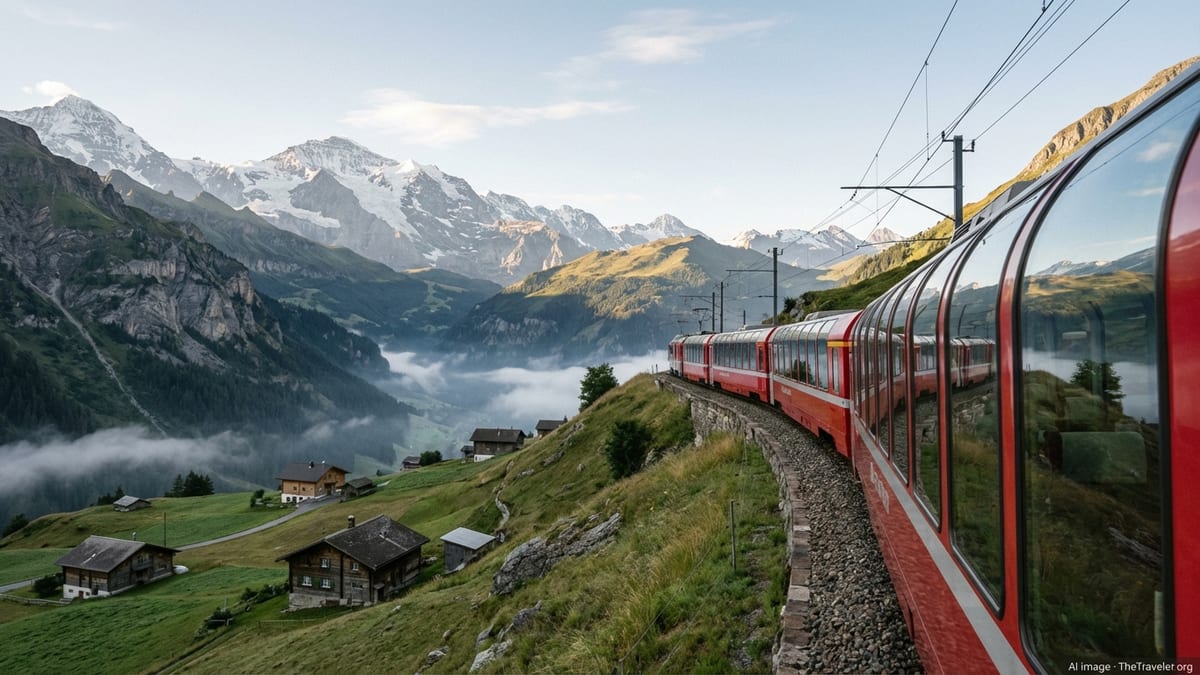
Cooler Climates Reshape Europe’s Peak Summer Travel
Travel data and recent climate analyses indicate that the hottest parts of Europe are seeing increasingly frequent summer heat stress days, while higher-latitude and higher-altitude regions remain comparatively temperate. Industry reports describe a noticeable shift in demand toward destinations where daytime temperatures are more comfortable for outdoor activity and night-time lows allow restful sleep, a pattern that has given rise to the term “coolcation.”
Tourism and climate briefings published in 2024 and 2025 point to a redistribution of summer travel away from Europe’s southern fringe toward its interior mountains and northern coasts. While demand for classic beach destinations remains strong, growth rates are higher in cooler regions, particularly among travelers prioritizing hiking, cycling and other endurance pursuits. These visitors are more sensitive to prolonged heat, and are increasingly selecting itineraries around altitude, shade and water access.
Analysts also underline that affordability and crowding are reinforcing the trend. As hotel prices in some Mediterranean hotspots climb and heatwaves become more disruptive, travelers are broadening their search to include less exposed regions with strong transport links and established outdoor infrastructure. Against this backdrop, Switzerland and several neighboring countries have moved near the top of recommendation lists for summer trips focused on active time outdoors.
Switzerland’s Alps Anchor Europe’s Best Coolcation Trails
Switzerland’s position at the crossroads of several Alpine ranges, combined with its generally moderate summer climate, has placed it at the heart of the coolcation discussion. Tourism material and national strategy documents highlight the country’s mountain regions as an alternative to hotter coastal areas, noting that temperatures drop measurably with elevation and that many popular resorts sit well above valley heat.
Published coverage of Swiss tourism emphasizes that hiking is often described as a national pastime, supported by a dense network of waymarked footpaths, mountain railways and cable cars that link valleys with high plateaus. For cyclists, the country has developed extensive national and regional bike routes, as well as bike-park infrastructure in resorts that double as ski centers in winter. These assets are increasingly being marketed as a summer refuge where visitors can remain active all day without the health concerns associated with extreme heat.
Promotional campaigns for the 2024 and 2025 seasons showcase alpine bases such as the Bernese Oberland, Valais and eastern Switzerland, where guests can combine high-level hikes with lake swims and e-bike touring on valley floors. Swiss regional tourism pages have given extra prominence to “peaceful summer destinations” that promise quieter paths, shaded forests and smaller lakes away from the busiest alpine icons, reflecting a wider shift toward dispersing visitor flows and protecting sensitive high-mountain environments.
Neighboring Alpine Regions and Nordic Nations Join the List
Switzerland is not alone in benefitting from the coolcation effect. Travel features across European and international outlets in 2024 highlight a broader belt of cooler destinations stretching from the Alps to Scandinavia. The Austrian and Italian Alps, including the Dolomites, are frequently cited as attractive stand-ins for traditional seaside holidays, offering similar dramatic scenery to Switzerland, extensive hiking networks and well-developed cycling routes, but often at lower price points for accommodation and dining.
Further north, Nordic countries feature prominently in rankings of Europe’s best coolcations. Reports describe Scandinavia and the Baltic Sea region as increasingly popular with European travelers looking to escape peak heat while maintaining access to outdoor activities. Coastal archipelagos, fjords and vast lake districts in Sweden, Norway and Finland offer long-distance cycling routes, multi-day hiking trails and opportunities to combine touring with kayaking and wild swimming, all within climates that remain relatively mild even during heat spikes elsewhere on the continent.
Emerging coolcation itineraries also include northern Spain, parts of central and northern Germany, the Scottish Highlands and the higher plateaus of Central Europe. While not as consistently cool as the far north, these regions tend to stay below the most oppressive temperature thresholds and are actively developing trail networks, rail connections and cycling infrastructure to capture a share of the growing demand for heat-avoiding summer travel.
Hiking and Cycling Holidays Drive Demand for Higher Ground
Outdoor-focused tour operators and national tourism agencies report that hiking and cycling products are among the strongest beneficiaries of the coolcation trend. Multi-day trekking routes, such as hut-to-hut trails in the Swiss and Austrian Alps, are seeing renewed interest from international visitors who might previously have opted for city breaks or beach stays. Publicly available booking patterns show that guided walking and e-bike tours at altitude are filling earlier in the season, while inquiries about safer temperature windows have become a standard part of trip planning.
In Switzerland, official planning documents and promotional material describe a strategic emphasis on non-motorized mobility, with investment in long-distance cycle paths, mountain-bike parks and upgraded hiking infrastructure. Similar efforts are visible across neighboring Alpine regions, where lift systems, bike shuttles and wayfinding improvements are being packaged together to extend the summer season and encourage guests to explore beyond the main resort centers. These upgrades are intended to make high-altitude adventure accessible to a broader age and fitness range, which in turn supports longer stays.
In the Nordics and across cooler parts of western Europe, regional authorities and tourism boards are pushing rail-to-trail combinations, promoting itineraries that connect night trains or high-speed services with long-distance cycling corridors and national hiking trails. Such products appeal to climate-conscious travelers who wish to reduce flying while still enjoying an active holiday in comfortable temperatures. The growth of gravel and bikepacking communities has also helped popularize routes that string together forest tracks, lakeside paths and coastal roads in countries where mid-summer heat is less intense.
Opportunities and Pressures for Europe’s Cooler Destinations
While the coolcation trend presents clear opportunities, it also brings new pressures to destinations that have historically seen more modest summer visitor numbers. Research published by tourism and climate bodies warns that increased footfall in fragile alpine and northern ecosystems can contribute to erosion, wildlife disturbance and strain on local water resources, particularly as climate change simultaneously alters snowfall patterns and glacier melt.
Some national and regional strategies respond by promoting shoulder-season travel, dispersing visitors to lesser-known valleys and secondary towns, and encouraging the use of public transport over private cars. In Switzerland, for example, many regions bundle free or discounted public transport into overnight stays, encouraging hikers and cyclists to use mountain railways, buses and cable cars rather than rental vehicles. Similar passes and integrated ticket schemes are being rolled out or expanded in parts of Austria, Germany and the Nordic countries.
Analysts argue that if managed carefully, the rise of coolcations centered on hiking and cycling could support more resilient local economies across Europe’s cooler regions. By extending the summer season, boosting demand for guiding, hospitality and maintenance roles, and incentivizing investment in low-impact infrastructure, the trend has the potential to offset some risks facing traditional winter sports tourism. For travelers, it broadens the palette of European summer options beyond the beach, with Switzerland and its cooler neighbors now firmly established among the continent’s most appealing choices for active holidays in a warming climate.