


More news on this day
The United States has issued a rare worldwide caution for its citizens abroad, urging Americans to exercise increased vigilance as geopolitical tensions, regional conflicts and security incidents heighten risks for international travel.
Get the latest news straight to your inbox!
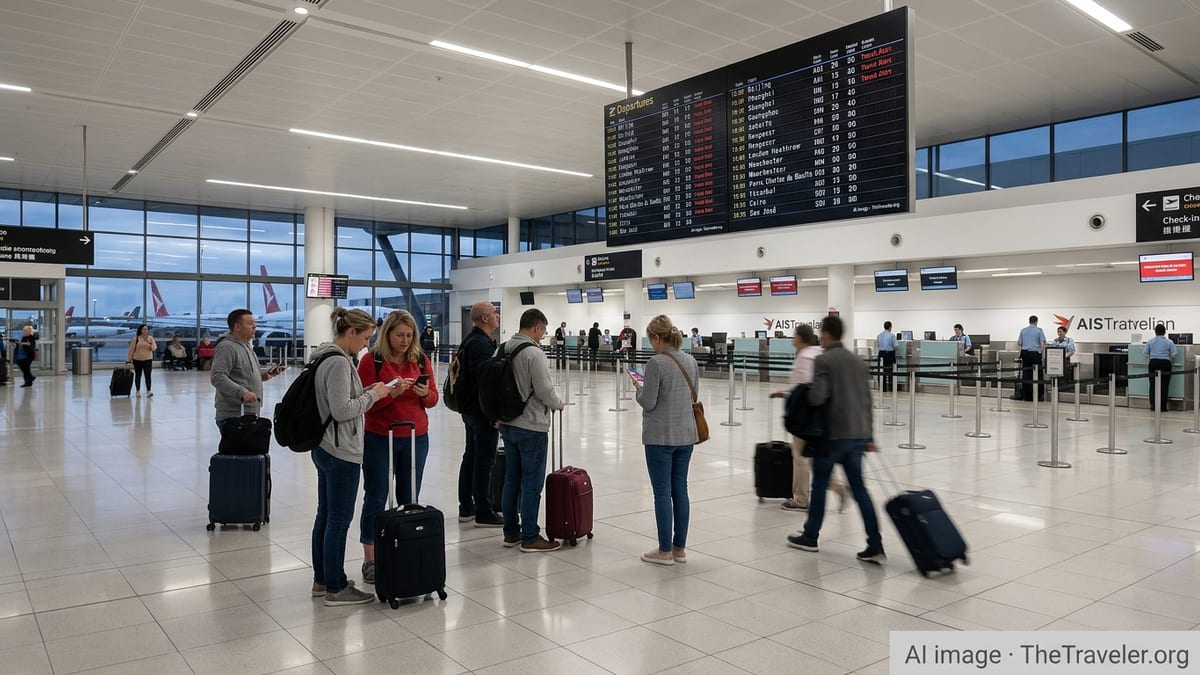
Heightened Global Warning Reflects Shifting Security Landscape
The new alert, described in official notices as a Worldwide Caution, advises Americans traveling or living overseas to be more alert to their surroundings and to monitor local developments closely. Publicly available information from the US government notes that the global security environment is complex and that conditions can change with little warning, particularly in regions affected by conflict and political instability.
According to recent coverage by several US outlets, the latest warning follows a series of developments linked to the ongoing war involving Iran and its regional rivals, as well as broader instability in parts of the Middle East and North Africa. Reports indicate that diplomatic facilities and symbols of US presence abroad are viewed as potential targets, alongside crowded public places and transportation hubs.
The Worldwide Caution does not prohibit Americans from traveling, nor does it impose blanket restrictions on international movement. Instead, it underlines an elevated baseline of risk and encourages US travelers to weigh the necessity of trips, review contingency plans and stay informed about security conditions in their destinations.
Analysts note that similar global alerts have been issued at moments of major geopolitical tension in the past, but the current notice comes amid overlapping crises, including the aftermath of large-scale evacuations from the Middle East earlier this year and persistent unrest in parts of Mexico and other regions.
Key Concerns: Terrorism, Regional Conflict and Civil Unrest
Public advisories highlight several recurring threats that can affect US travelers worldwide, including the risk of terrorism, politically motivated violence and sudden outbreaks of civil unrest. Threat assessments referenced in recent media reports point to potential dangers at transportation hubs, tourist attractions, hotels, places of worship, major events and other crowded public venues that may draw international visitors.
The ongoing conflict involving Iran has been a particular focus of attention. International reporting on the war and its regional spillover has described missile and drone attacks, cyber incidents and threats directed at US and allied interests. Authorities in multiple countries have tightened security around embassies, airlines and critical infrastructure, raising the possibility of localized disruptions at short notice.
Beyond the Middle East, crime and instability in certain parts of Latin America, Africa and Eastern Europe remain a concern. US country-by-country advisories continue to classify some destinations at the highest warning level, urging travelers not to visit due to risks that include armed conflict, kidnapping, organized crime and high levels of violent crime. The broad worldwide notice places these localized risks in a wider context of elevated global tensions.
Observers emphasize that risk is not uniform and that many destinations remain relatively stable, particularly those with strong local security structures and established tourism sectors. However, the global warning underscores that unexpected incidents can occur even far from active conflict zones, and that spillover effects from regional crises may be felt in secondary locations.
Travel Disruptions: Airspace Closures and Flight Cancellations
In addition to direct security threats, the Worldwide Caution draws attention to the possibility of significant travel disruption. Published coverage notes that recent conflicts and security scares have led to temporary closures of airspace, rerouting of long-haul flights and, in some cases, large numbers of cancellations affecting major transit hubs.
During earlier phases of the Iran war, regional aviation networks experienced substantial strain as airlines adjusted routes to avoid contested air corridors and potential missile or drone activity. Similar patterns are visible today in certain parts of the Middle East and adjoining regions, where carriers have altered flight paths or reduced capacity in response to evolving risk assessments.
Separate crises, including cartel-related violence in parts of Mexico this year, have also led to short-notice airport closures and localized suspensions of service. These events, while episodic, illustrate how security incidents can quickly ripple into the travel sector, stranding passengers or forcing abrupt changes in itineraries.
The current guidance encourages US travelers to stay in close contact with their airlines, review ticket conditions for flexibility and be prepared for last-minute schedule changes. Travelers are also urged, through publicly available State Department materials, to maintain access to funds and essential medications in case of unplanned delays.
How the Advisory System Works for US Travelers
The Worldwide Caution sits alongside the US government’s country-specific advisory system, which assigns each destination one of four levels ranging from normal precautions to a strict recommendation not to travel. According to official explanatory documents, these levels are based on a combination of factors, including terrorism, civil unrest, health risks, natural disasters, wrongful detention and crime.
Level 1 countries are categorized as destinations where travelers should exercise normal precautions, while Level 2 involves increased caution. Level 3 advises Americans to reconsider travel due to serious risks, and Level 4 indicates locations where conditions are judged dangerous enough that travel is strongly discouraged. Some countries also include regional distinctions, identifying specific provinces or cities with higher risk than the national average.
In recent months, several countries affected by conflict or widespread violence have remained under Level 4 guidance, particularly in the Middle East. Others have been placed at Level 3 because of ongoing instability, strained infrastructure or elevated crime. The global notice does not change these individual designations, but it reinforces the message that travelers should review the full advisory text for any country they plan to visit.
Travel experts often recommend that US citizens cross-check these government assessments with independent reporting and local news in their destination. Such triangulation can help travelers understand how nationwide advisories translate into conditions on the ground in specific cities, regions or tourist corridors.
Practical Steps for Americans Planning International Trips
The heightened worldwide alert does not mean that international travel must come to a halt, but it does signal a need for more deliberate planning. Public guidance materials encourage Americans to evaluate whether travel is essential, particularly to areas near active conflict zones or locations experiencing widespread unrest.
Travelers are advised in official resources to share detailed itineraries with family or trusted contacts, maintain multiple ways to communicate and keep copies of key documents, such as passports and visas, in secure digital and physical formats. Comprehensive travel insurance that includes medical evacuation and trip interruption coverage is widely recommended in industry commentary, especially when visiting higher-risk regions.
Americans are also encouraged to familiarize themselves with local laws and customs, understand entry and exit requirements and identify the nearest US embassy or consulate at their destination. Simple measures, such as avoiding large demonstrations, limiting time in high-profile public gathering spots and staying alert in transportation hubs, can reduce exposure to potential threats.
For many travelers, the Worldwide Caution serves as a reminder that freedom of movement coexists with a complex and sometimes volatile security environment. As global tensions continue, those planning overseas trips may find that informed decision-making, flexibility and thorough preparation are increasingly essential parts of international travel.