


More news on this day
The United States has raised its travel advisory for Belgium to Level 2, signaling that travelers should exercise increased caution in the country in light of ongoing security and public safety concerns.
Get the latest news straight to your inbox!
Advisory Updated to Level 2 for Belgium
The latest update to the United States Department of State’s global travel advisory list now places Belgium in the Level 2 category, described as “Exercise increased caution.” This level is the second of four advisory tiers and indicates a higher level of vigilance is recommended compared with routine travel conditions.
Publicly available information from the Department of State’s travel advisory list shows Belgium’s entry marked at Level 2 with terrorism, unrest and crime cited as key risk indicators. The advisory was most recently updated on July 23, 2026, reflecting the department’s periodic reassessment of security trends affecting United States citizens abroad.
Level 2 advisories generally apply where there is an elevated risk environment without a blanket call to reconsider or avoid travel. In Belgium’s case, the guidance highlights persistent security concerns in major urban areas and around iconic sites, while still allowing for leisure and business trips with appropriate precautions.
Context: How the US Travel Advisory System Works
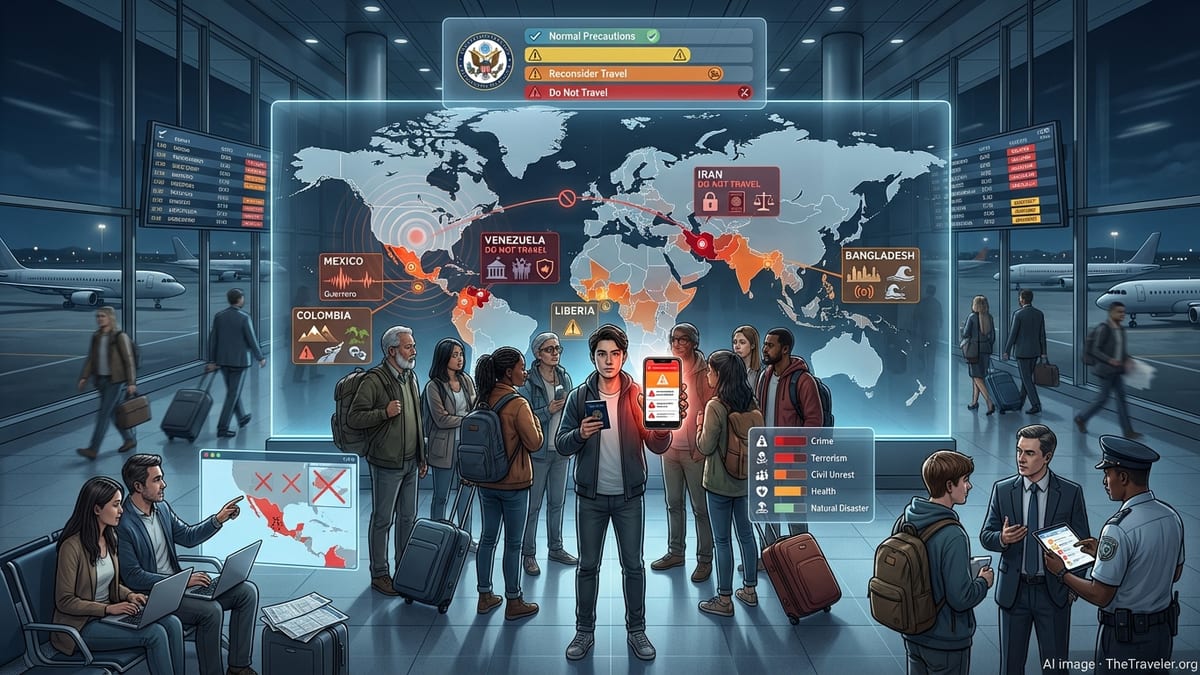
The Department of State’s travel advisory framework uses four standardized levels: Level 1 urges normal precautions, Level 2 calls for increased caution, Level 3 advises travelers to reconsider travel and Level 4 indicates “Do not travel.” Each country is assigned an overall level, supplemented by specific risk factors such as terrorism, crime, civil unrest, health or natural disasters.
According to published explainer documents on the advisory system, the Level 2 category covers destinations where identifiable risks are present but can typically be managed through heightened awareness, advance planning and adherence to local guidance. The same materials indicate that conditions can vary within a country, meaning specific neighborhoods or regions may present different risk profiles from the national advisory level.
Belgium’s placement in Level 2 aligns it with several other Western European destinations where terrorism and crowd-related security risks remain part of the official risk calculus. The advisory level does not impose bans on travel, but it underscores a view that the likelihood or potential impact of security incidents is higher than in Level 1 destinations.
Key Concerns: Terrorism, Unrest and Crime
Public advisory language for Belgium emphasizes a continuing threat of terrorism, noting that potential targets include transportation hubs, tourist locations, shopping districts, places of worship and venues hosting major events. Security assessments referenced in open sources point to past attacks in Brussels and a sustained focus by Belgian and European authorities on monitoring extremist activity.
In addition to terrorism, the Level 2 designation cites unrest and crime as relevant risk indicators. Coverage by international and local media has periodically described demonstrations in Brussels and other cities, some of which have disrupted transport or led to confrontations between protesters and police. While such events are often announced in advance, they may still affect visitors who find themselves near government buildings, large squares or central transport interchanges.
Routine crime also features in the advisory profile. Reports indicate that pickpocketing, bag snatching and theft from vehicles can occur in crowded public spaces, particularly around tourist attractions, train stations and major festivals. Travelers are encouraged, in line with general Department of State advice, to safeguard documents, remain alert in busy areas and avoid displaying valuables.
Implications for Travelers Planning Trips to Belgium
The elevation or reaffirmation of Belgium’s status at Level 2 does not prevent United States citizens from visiting the country, but it does shape recommended behavior before and during travel. Travelers are encouraged to review current advisory language in full, monitor local news coverage and remain alert to instructions from Belgian public safety bodies when attending large events or moving through high-traffic areas.
Practical guidance commonly linked with Level 2 destinations includes registering trips through government traveler enrollment programs, sharing itineraries with family or friends, and verifying that travel and medical insurance are adequate for international trips. Visitors are also often advised to familiarize themselves with local emergency numbers and to understand the layout of major transport hubs they plan to use.
For those transiting Brussels on multi-country itineraries, the Level 2 status may factor into route planning but typically does not require wholesale changes to European travel. Tour operators and airlines serving Belgium have continued normal operations, and there is no indication in public advisories of specific restrictions on commercial travel.
Belgian and European Security Environment
Belgium’s advisory update takes place within a wider European context in which several neighboring countries also appear at Level 2, largely tied to concerns over terrorism and sporadic unrest. Analyses by regional security observers highlight that high-profile institutions in Brussels, including European Union and NATO facilities, contribute to the city’s prominence in global threat assessments.
Belgian authorities maintain a national threat assessment system separate from the United States framework, and past adjustments to that domestic scale have typically followed specific incidents or intelligence assessments. While the two systems are independent, risk descriptions from European and American sources often converge on a common picture of heightened vigilance around symbolic locations, transport infrastructure and crowded venues.
Travel industry commentary notes that Belgium remains a major European tourism and business destination, with cities such as Brussels, Bruges, Antwerp and Ghent continuing to attract visitors. The Level 2 advisory underscores that, alongside the country’s cultural and historical attractions, travelers should factor in an elevated but managed security environment when planning their trips.