


More news on this day
A 43-year-old man from Warsaw was pronounced dead after being struck by a train late Thursday night near a railroad crossing by Argonne Road, according to published local coverage, in an incident that has reignited concern about rail safety in the northern Indiana community.
Get the latest news straight to your inbox!
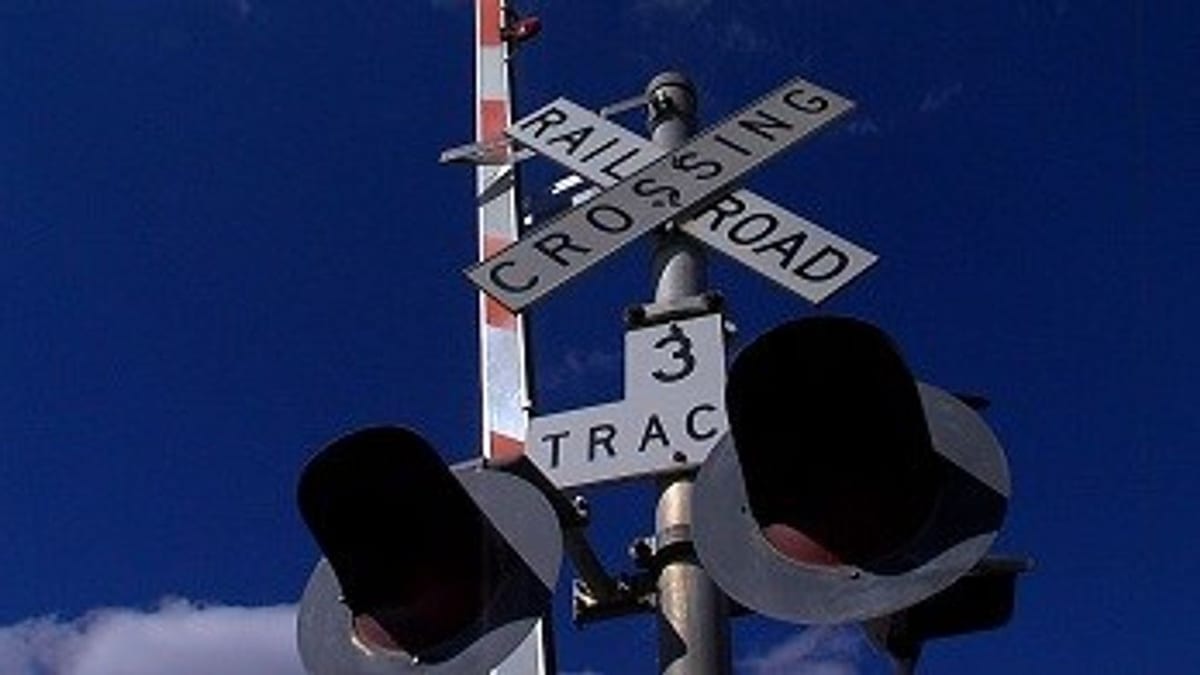
Late-night collision near Argonne Road
Publicly available information indicates that the collision occurred late in the evening near the rail line that runs parallel to Argonne Road on the eastern side of Warsaw. Initial reports suggest the man was on or near the tracks when a freight train approached the crossing, leaving the crew unable to stop in time.
Local media coverage notes that the man was pronounced dead after emergency responders reached the scene, with the impact described as severe. Weather conditions at the time were reported as typical for the season, and there were no immediate indications of mechanical problems with the train.
Rail traffic in the area was halted for several hours following the incident while investigators documented the scene and inspected both the locomotive and track infrastructure. Subsequent reports indicate that services gradually resumed after checks were completed and the line was cleared.
The casualty has been identified in regional news reports as a 43-year-old Warsaw resident, though detailed personal information has generally been limited out of respect for the family and ongoing investigative procedures.
Preliminary findings and unanswered questions
According to published coverage, early findings center on the man’s presence on the tracks shortly before the collision. Reports indicate that he was lying on or extremely close to the rails as the train approached, leaving only a brief window for the crew to respond.
Information released so far does not clarify why the individual was on the tracks at that hour. Local reporting notes that investigators are reviewing available evidence, which may include train event recorder data and any nearby cameras, to better understand the sequence of events.
While toxicology and full forensic results typically take additional time, rail incidents of this nature often involve a combination of human behavior and limited stopping distances for heavy trains. As of the latest updates, no final determination about intent or contributing factors has been made public.
Officials involved in rail safety reviews in similar cases across the country frequently emphasize that freight and passenger trains require long distances to stop and that even emergency braking rarely prevents a collision when a person is already on the tracks.
Impact on rail operations and local travel
The collision immediately disrupted rail movements through the Warsaw area, with freight traffic reportedly held back on both approaches to the crossing. Trains already in the vicinity were either stopped on sidings or instructed to proceed at restricted speeds until the track was confirmed safe.
For nearby residents, the incident meant extended noise and lighting late into the night as emergency vehicles, rail personnel, and support crews worked along the corridor. Some drivers also encountered temporary road closures or diversions around the Argonne Road crossing as responders managed the scene.
Although Warsaw does not rely on heavy commuter rail traffic in the same way as larger metropolitan centers, the line is a significant freight route, and interruptions can ripple across regional schedules. Publicly available updates suggested that normal operations were restored by the following morning, though some trains continued to run out of sequence.
Travelers passing through Kosciusko County by road were largely able to resume their usual routes by early daylight, but the presence of investigation markers and maintenance workers along the right of way served as a visible reminder of the previous night’s events.
Rail safety concerns in a community of intersecting tracks
Warsaw sits at the junction of key regional roadways and rail lines, a geography that brings both economic benefits and elevated exposure to rail-related hazards. Local coverage of this and previous incidents has highlighted that trains move through residential and commercial areas at all hours, sometimes within a short distance of homes, businesses, and walking routes.
While many grade crossings in and around the city are equipped with standard warning infrastructure such as gates, lights, and bells, experts in rail safety often stress that this equipment cannot fully eliminate risk when individuals access tracks outside designated crossings or linger near the rails.
National transportation data consistently show that the majority of fatal rail incidents involving pedestrians occur away from formal stations and platforms. In smaller cities and towns, where tracks can feel like familiar shortcuts or informal gathering spots, the boundary between public space and active rail corridor can be blurred.
This latest death near Argonne Road has prompted renewed discussion among residents and commentators about physical barriers, public education campaigns, and the role of mental health and substance use in track-related fatalities. However, concrete changes typically follow only after full investigative findings are released.
Broader context of train strikes in the United States
Across the United States, incidents in which individuals are struck by freight or passenger trains remain a persistent safety challenge, even as technology and infrastructure improve. Federal statistics compiled by transportation agencies record hundreds of fatalities each year involving pedestrians and occupants of vehicles at or near railroad crossings.
Recent coverage from various regions has drawn attention to similar tragedies, including cases in which people have been hit while walking along tracks, waiting near platforms, or attempting to cross just ahead of an oncoming train. These incidents share common themes of limited reaction time and the immense stopping distances required by heavy rail equipment.
Safety advocates regularly call for a combination of engineering measures, such as improved sight lines and upgraded crossing protection, alongside public-awareness efforts that discourage walking on tracks or treating rail corridors as casual pathways. They also emphasize the importance of crisis support resources for individuals in emotional distress, given that some rail fatalities are later classified as intentional acts.
For communities like Warsaw, the death of a resident in such circumstances becomes part of a wider national discussion about how towns built along rail corridors can balance the economic value of freight movement with a more robust approach to preventing avoidable tragedies.