


More news on this day
Washington Manassas Airport in Northern Virginia has crossed a pivotal regulatory threshold for commercial passenger service, securing critical federal approvals that move the former Manassas Regional Airport into a new era as the Washington area’s next airline gateway.
Get the latest news straight to your inbox!
From General Aviation Hub to Washington’s Newest Passenger Airport
Washington Manassas Airport, still operating under the code HEF and historically known as Manassas Regional Airport, has long been recognized as Virginia’s largest general aviation facility. Located about 28 miles from downtown Washington, it primarily handles corporate, training, and public-service flying, including law enforcement, medical, and military operations, according to Federal Aviation Administration (FAA) information on the field’s current role and traffic mix.
City documents and planning presentations indicate that local leaders have spent several years preparing the airfield for a transition to commercial status, including work on new minimum standards for aeronautical users, updated security requirements, and financial frameworks such as landing fees and passenger facility charges tailored to scheduled service. The effort aims to shift HEF from a reliever airport into a full participant in the region’s airline network while preserving its general aviation base.
The rebranding to “Washington Manassas Airport” was approved by the Manassas City Council in 2026 as the ticketing and marketing name, while Harry P. Davis Field and the HEF identifier remain in place. Public information from the city frames the name change as part of a broader strategy to position the airport more clearly within the competitive Washington-area market as it prepares for commercial flights later this decade.
With recent federal actions now completed, the project is moving from planning and regulatory work into the implementation phase, setting up a multi-year construction and commissioning timetable that targets the start of scheduled passenger operations around 2027.
FAA Part 139 Certification and Environmental Review Mark Turning Point
Reports from industry and local outlets indicate that Washington Manassas Airport has now received its FAA Part 139 Airport Operating Certificate, a prerequisite for airports serving scheduled air carriers with larger passenger aircraft. Under 14 CFR Part 139, the FAA issues such certificates only when airports demonstrate compliance with detailed standards covering runway safety, aircraft rescue and firefighting capabilities, fuel handling, signage and marking, and other operational safeguards.
The certification follows an extended process in which airport staff worked with the agency to develop an Airport Certification Manual addressing emergency planning, wildlife management, snow and ice control, and maintenance obligations associated with passenger operations. Publicly available FAA guidance notes that Part 139 airports must also implement Safety Management Systems that systematically identify and mitigate risks as they add or expand commercial service.
In parallel, the FAA recently completed an environmental review of the Manassas commercial service program, issuing a finding that clears the project to advance. Coverage in aviation trade media describes this federal environmental decision as a key hurdle, since it covers planned terminal upgrades, expanded parking, and other infrastructure necessary to support airline traffic. The review sits alongside a broader portfolio of airport environmental documents the FAA has released for projects across its Eastern Region, including the Washington Manassas initiative.
Together, the Part 139 certificate and environmental clearance form the regulatory backbone for passenger service at HEF. With those approvals now in place, the remaining milestones shift toward design finalization, construction phasing, and coordination with potential airline partners.
Terminal Expansion and Ground Facilities Designed Around New Traffic
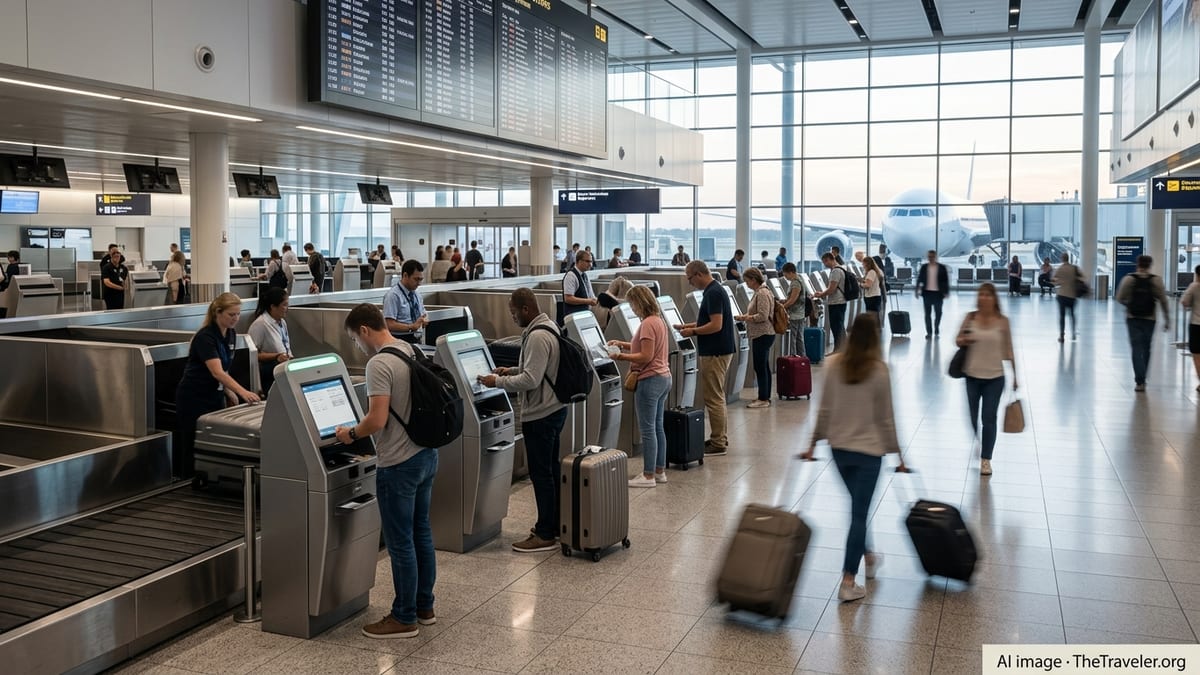
Manassas planning materials and presentations prepared with airport management partner Avports outline a multi-phase terminal development program centered on a new passenger facility. The design includes security screening areas, baggage handling, hold rooms, and curbside and parking improvements sized for an initial slate of regional and narrowbody airline operations.
Project timelines in city budget and capital planning documents show commercial service infrastructure advancing along a schedule that anticipates construction permits, ground-breaking, and phased completion through the mid-2020s. A key milestone is a first-phase terminal opening currently targeted for fall 2027, which is when scheduled passenger flights are expected to begin under the Washington Manassas branding.
Additional investments cover firefighting and safety capabilities consistent with the airport’s Part 139 classification, as well as checkpoint and perimeter enhancements that reflect Transportation Security Administration requirements for commercial service. Publicly available information indicates that the airport has been aligning its operations with Part 139 standards for several years in anticipation of formal certification, easing the transition to a fully compliant commercial facility.
Although HEF will retain its significant base of general aviation activity, the addition of an airline terminal, commercial apron, and road access upgrades is expected to reshape the airfield’s footprint and daily traffic patterns, especially at peak travel times once carriers begin scheduled operations.
Regional Market Impact and Route Prospects for Washington Manassas
With commercial approvals in place, Washington Manassas Airport is poised to become the fourth passenger-serving airport in the Washington metropolitan area, complementing Washington Dulles International, Ronald Reagan Washington National, and Baltimore/Washington International Thurgood Marshall. Local coverage and city presentations suggest that planners see an opportunity to capture demand from western suburbs and exurban communities that currently drive to the larger hubs.
Early discussions summarized in public meetings and media reports point to potential initial routes linking Manassas to major East Coast and Sun Belt destinations often served by low-cost and point-to-point carriers. Examples cited include markets such as New York and Orlando, though no formal route announcements have been made at this stage and no airline has publicly committed to serving the airport.
Analysts following the project note that the airport’s relatively uncongested airspace and proximity to key highway corridors could make it attractive for carriers seeking quick turn times and lower operating costs compared with the region’s slot-constrained or hub-focused facilities. At the same time, the airport’s role as a general aviation center may offer opportunities for hybrid business models, including charter, on-demand, and regional services alongside traditional scheduled flights.
How aggressively airlines embrace Washington Manassas will likely depend on broader market conditions by 2027, including aircraft availability, competitive dynamics with other Washington airports, and the performance of similar secondary-field experiments in other U.S. metro areas.
Next Steps as Washington Manassas Moves Toward First Flights
With federal environmental review complete and Part 139 certification reported in place, the focus now shifts to delivering the physical infrastructure, commercial agreements, and community outreach necessary to launch passenger operations. Construction planning documents show terminal and landside work ramping up through 2025 and 2026, with a goal of bringing core facilities online in time for a 2027 service start.
City materials describe a transition plan that includes updated minimum standards for commercial operators, revised fee schedules, and coordination on passenger facility charge applications, which help fund eligible airport capital projects. These steps are intended to ensure that airline activity contributes to long-term financial sustainability while funding future improvements as demand grows.
Community information sessions and local media coverage indicate ongoing public interest in how new flights will affect noise patterns, road congestion, and economic development near the airport. Environmental documentation associated with the FAA review addresses projected operational impacts and outlines mitigation measures, such as preferred flight tracks and land-use planning considerations, designed to balance growth with neighborhood concerns.
As of now, the timeline points toward several more years of construction and marketing before travelers can book tickets using the Washington Manassas name. Even so, the latest federal approvals mark a decisive shift for HEF, signaling that the project has moved beyond concept and into the execution phase of bringing a new commercial airport option to the Washington region.
AirlineGeeks: FAA Approves Commercial Flights at Washington Manassas Airport
Manassas Journal: Washington Manassas Airport Has Entered the Chat
AviationPros: FAA Environmental Approval for Washington Manassas Airport
City of Manassas: Airport Minimum Standards Update and Commercial Expansion