


More news on this day
With fresh regional tensions, evolving visa rules and another summer of extreme Gulf heat, would-be visitors are asking whether Dubai and the wider United Arab Emirates remain a safe and practical choice for travel right now.
Get the latest news straight to your inbox!
Current security picture and official advisories
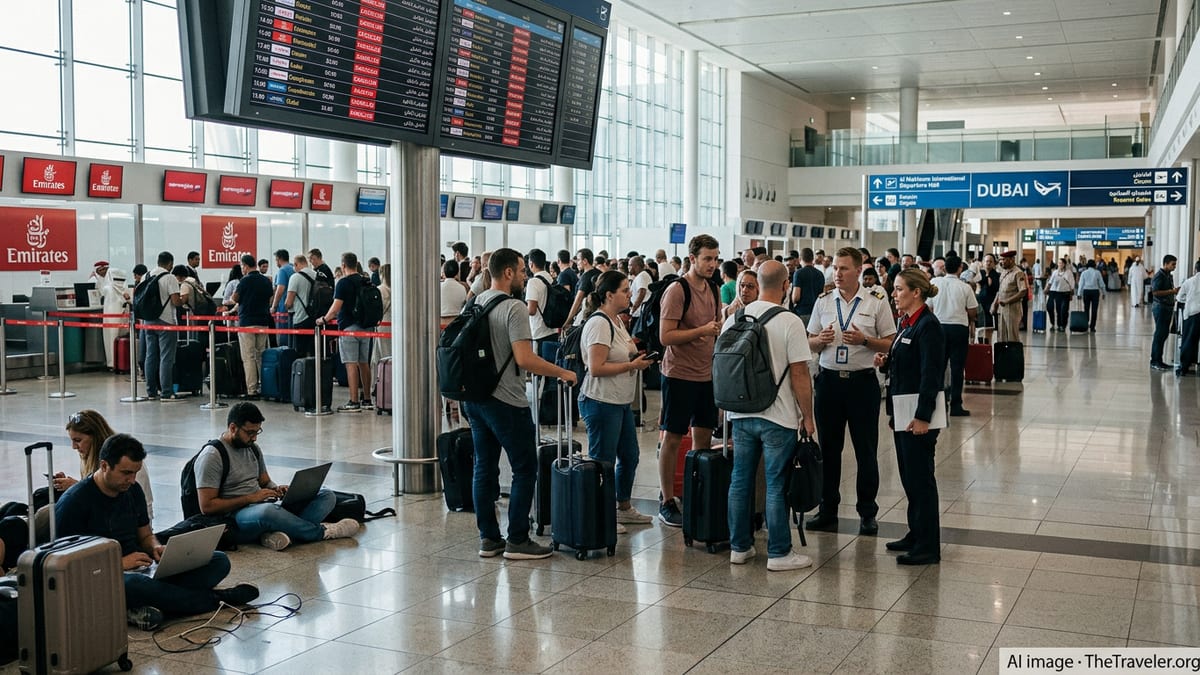
As of early September 2026, most major governments still advise caution for travel to the United Arab Emirates due to the broader regional security environment, even as day-to-day life and tourism continue largely as normal in Dubai. The latest advisory from the United States categorises the UAE at a “reconsider travel” level, citing the risk of terrorism and the potential for armed conflict spillover, while also noting that family members of U.S. government staff are again permitted to live in the country. Similar alerts from European and Asia-Pacific governments highlight that attacks in the wider region could occur with little or no warning, including against places frequented by foreigners.
Despite this elevated language, publicly available information and recent travel reporting indicate that Dubai itself continues to experience a relatively low level of street crime, with incidents against visitors uncommon by global big-city standards. Travel safety briefings typically describe the UAE as having low rates of theft and violent crime, while urging vigilance in crowded public places, transport hubs and high-profile attractions in case of any security incident.
Travel advice sites emphasise that visitors should stay informed through their own government’s alerts and be prepared for rapid changes, including airspace disruptions, in the event of any escalation in the region. Travellers are also encouraged to keep flexible bookings where possible, monitor local news and follow any visible security protocols at airports, malls and hotels, which remain part of daily life in Dubai.
Visas, entry rules and what has changed in 2026
For many nationalities, entry to Dubai in 2026 remains relatively straightforward, with a combination of visa-free access, visas on arrival and short-term tourist visas. The UAE’s official government portals confirm that Gulf Cooperation Council citizens do not need a visa, while a long list of other nationalities can receive 30 or 90 day visas on arrival depending on bilateral agreements. Others need to secure an electronic tourist visa in advance through airlines, approved hotels, travel agencies or government channels, and passports generally must have at least six months’ validity on arrival.
The UAE has continued to refine its visa framework. Federal immigration authorities announced in June 2026 that eligibility for certain entry visas has been expanded to additional nationalities, reflecting a policy of widening access for tourism and short visits. At the same time, Dubai and federal immigration services reiterate that travellers must apply under the correct category and respect stay limits, particularly for 30 and 60 day tourist visas and multiple-entry permits.
Government information platforms also point to longer-stay options that can facilitate repeat travel to Dubai, such as the multi-entry five year tourist visa, which allows multiple visits of up to 90 days each, extendable once per trip. Separate business, study and job-seeker visas cater to other types of stays. Airlines and airport authorities continue to offer 48 or 96 hour transit visas for eligible travellers, although these must generally be arranged in advance through the carrier and are subject to entry conditions.
Recent official updates stress that the most current rules for COVID-19 documentation, health checks or transit conditions are published through airline channels and federal portals. While pandemic-era test and vaccine mandates have largely been rolled back, travellers are advised to check requirements just before departure, especially if connecting through other countries.
Health, climate and seasonal travel risks
Beyond geopolitical considerations, the most immediate safety concern for many visitors to Dubai in 2026 is the climate itself. The city experiences extreme heat and humidity, especially from June through September, with temperatures regularly climbing well above 40 degrees Celsius. International travel advisories warn that such conditions can quickly lead to dehydration, heat exhaustion or heatstroke for unacclimatised travellers, particularly during outdoor activities and sightseeing in the middle of the day.
Publicly available guidance from foreign ministries recommends limiting time outside during peak heat, planning sightseeing for early morning or evening, wearing light clothing and sun protection, and drinking water frequently. Dust and sandstorms can also affect air quality and visibility at times, although these events are typically short-lived and well managed by local infrastructure. Travellers with respiratory or cardiovascular conditions are advised to consult a doctor before travel and monitor local forecasts.
On the medical side, the UAE maintains a well-developed healthcare system, with private hospitals and clinics widely used by visitors. Routine vaccinations are generally considered sufficient for most tourists, although some travel-health sources draw attention to regional respiratory illnesses and advise standard hygiene measures, such as frequent handwashing and avoiding close contact with people who are visibly unwell.
For many visitors, the main practical implication of Dubai’s climate is the need to adapt travel patterns. Indoor attractions, malls, restaurants and air-conditioned transport dominate the summer experience, while outdoor activities such as desert safaris, beach days and walking tours are more comfortable in the cooler months from roughly November to March.
Local laws, social norms and behaviour risks
Dubai’s reputation as a modern, tourism-focused city can sometimes give visitors the impression that local rules are as relaxed as in major Western hubs. However, foreign travel advice consistently stresses that the UAE has strict laws on public behaviour, morality, online activity and speech, and that violations can carry serious penalties. Alcohol consumption is regulated, drugs are illegal with zero-tolerance enforcement, and behaviour that may be tolerated elsewhere, such as public intoxication, aggressive conduct or certain online posts, can lead to arrest, fines or deportation.
Travel guidance from several governments notes that couples should be discreet in public, and that dress standards, while more relaxed in Dubai than in some neighbouring states, still call for modest clothing in government buildings, traditional areas and religious sites. Photography of government facilities, critical infrastructure and some public spaces may be restricted, and the use of drones is tightly controlled.
Reports also highlight that laws on social media, defamation and cybercrime are broad, meaning that critical or offensive comments posted online from within the UAE could potentially fall under local jurisdiction. Visitors are urged to familiarise themselves with up-to-date official information on prohibited items, prescription medicines that require documentation, and customs rules before arrival, and to keep copies of key documents and emergency contact details during their stay.
While these rules do not affect most tourists who behave respectfully, they are an important part of the overall risk picture and help explain why some governments emphasise legal and cultural awareness alongside physical security in their assessments of travel to Dubai.
Practical risk management for visitors in late 2026
For travellers weighing a trip to Dubai now, the emerging consensus from official advisories and independent travel safety assessments is that the city remains a functioning global hub that draws millions of visitors, but within a region that is experiencing elevated tensions and fast-changing dynamics. This creates a layered risk environment rather than a simple “safe” or “unsafe” verdict.
Current guidance suggests that visitors who decide to go should take a more structured approach to preparation than they might have done a few years ago. That includes registering with their embassy or consulate where such services exist, taking out comprehensive travel insurance that covers medical care and trip disruption, and checking both airline and government channels regularly for updates on airspace, entry conditions and any new security developments affecting the Gulf.
On the ground, common-sense measures like staying aware of surroundings, avoiding demonstrations or large politically charged gatherings, and following visible security instructions at airports, hotels and major venues can help reduce exposure to risk. Scheduling outdoor activities outside peak heat, planning transport in advance at night, and using reputable accommodation and tour operators remain standard recommendations.
For many tourists, particularly those visiting on short itineraries focused on Dubai’s established hotel, shopping and entertainment districts, these precautions may feel similar to those taken in other major international cities. What distinguishes Dubai in 2026 is the combination of its strong local infrastructure and relatively low crime rates with an external security backdrop that remains fluid, underscoring the importance of informed, flexible travel planning.
U.S. Department of State – United Arab Emirates Travel Advisory
UK Foreign, Commonwealth & Development Office – UAE travel advice
Australian Smartraveller – United Arab Emirates travel advice
UAE Government – Tourist visa information
UAE Ministry of Economy & Tourism – Travel requirements for the UAE