


More news on this day
Canada’s busiest airports experienced a fresh wave of disruption as more than 200 flight delays and 50 cancellations were recorded across Calgary, Ottawa, Montreal, Toronto, Vancouver, Quebec City and Winnipeg, hindering operations for Air Canada, Jazz, WestJet, PAL, Air Transat and several smaller carriers.
Get the latest news straight to your inbox!
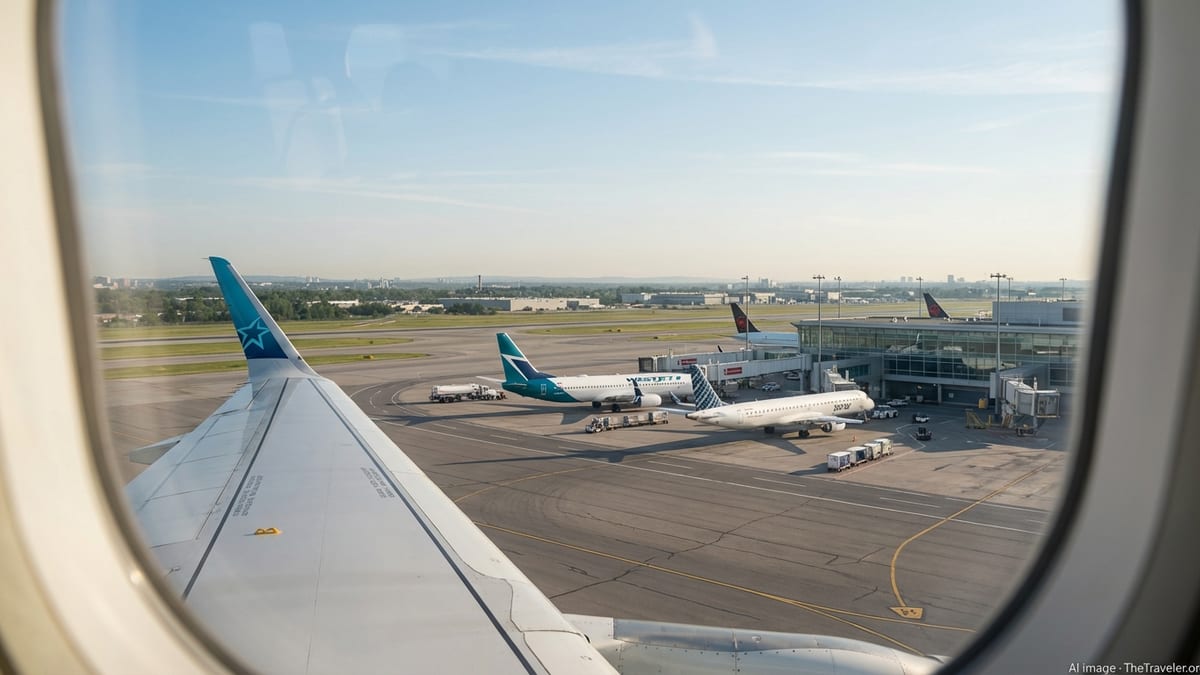
Nationwide Disruptions Across Key Canadian Hubs
Publicly available tracking data from multiple aviation platforms showed a concentrated spike in delays and cancellations across Canada’s primary air travel corridors, with at least 208 flights delayed and 50 cancelled in a single operating window. The disruptions were spread among major hubs including Toronto Pearson, Vancouver International, Montreal Trudeau, Calgary International, Ottawa, Quebec City and Winnipeg.
The figures point to another difficult day for Canadian air travelers, with ripple effects extending across domestic and transborder routes. Much of the disruption clustered at Toronto, Vancouver and Montreal, which function as central nodes in the national network, meaning any schedule problems at those airports quickly impacted services at smaller facilities such as Ottawa and Winnipeg.
According to published coverage and live airport dashboards, delays ranged from relatively short hold ups at the gate to multi hour pushbacks that forced rebookings and missed connections. Some airports reported dozens of late departures in the morning and early afternoon peak, before operations gradually began to stabilize later in the day.
While the total number of cancellations remained modest compared with the overall daily schedule, the concentration of 50 scrubbed flights at a handful of major hubs significantly magnified the impact, particularly for passengers traveling on regional connections with fewer alternative options.
Air Canada, WestJet and Regional Partners Under Strain
Air Canada and its regional affiliate Jazz once again carried a substantial share of the disruption, reflecting their dominant presence on domestic routes through Toronto, Montreal and Vancouver. Tracking services indicated that Air Canada mainline, Air Canada Express flights operated by Jazz, and partner services experienced a mix of late arrivals, late departures and outright cancellations as the day progressed.
WestJet was also heavily affected, particularly at its Calgary base and on routes linking western Canada with Toronto and Montreal. Consolidated schedules and tighter fleet utilization across the industry meant that any technical or crew related issue on a single aircraft had the potential to cascade into a series of downstream delays.
Smaller and leisure focused carriers such as PAL Airlines and Air Transat were not immune. PAL, which serves regional communities primarily in Atlantic Canada and Quebec, faced knock on delays as inbound aircraft arrived late from larger hubs. Air Transat, concentrated on leisure and transatlantic flying, saw some departures shift later into the day as aircraft and crews were repositioned to keep key long haul services operating.
Across all carriers, publicly available information suggested that same day rebooking remained challenging on some domestic sectors, especially for travelers originating from Ottawa, Quebec City and Winnipeg who rely on frequent but relatively small capacity flights into Toronto and Montreal for onward connections.
Weather, Congestion and Operational Pressures Combine
Industry analysts have pointed to a recurring mix of factors behind the latest day of widespread disruption, including seasonal weather systems, congestion at major hubs and ongoing operational pressures on airlines still adjusting capacity and staffing after several volatile years for aviation.
Even when conditions appear relatively stable at departure airports, storms or low visibility at key hubs can trigger traffic management initiatives that reduce arrival and departure rates. This often results in ground holds, airborne holding patterns and revised departure slots, which in turn lengthen turnaround times and create bottlenecks throughout the day.
Operationally, Canadian carriers are also contending with tighter fleet margins, as high fuel costs and evolving demand patterns lead airlines to optimize aircraft usage. Publicly accessible industry commentary notes that this leaves less slack in the system to absorb unplanned maintenance issues or crew constraints. When an aircraft is pulled from service, replacement options are limited, increasing the likelihood of cancellations rather than short delays.
Reports from recent months further indicate that some carriers have proactively trimmed capacity on select routes to contain costs, which can inadvertently intensify the effect of day of operations problems. With fewer daily frequencies and fuller cabins, any single cancellation or long delay leaves more passengers competing for fewer remaining seats.
Passenger Impact From Missed Connections to Overnight Stays
The disruption across Canada’s major airports translated into a broad range of passenger impacts, from relatively minor inconveniences to significant schedule upheaval. Travelers on short hop domestic flights often faced prolonged waits at departure gates or onboard aircraft, while those with tight connections at Toronto, Montreal or Vancouver reported missed onward flights and forced itinerary changes.
In some cases, cancellations on late evening departures left passengers stranded overnight, particularly on routes where the disrupted service was the final flight of the day between two cities. Based on airline policy documents and consumer guidance, travelers in these situations may be eligible for assistance such as hotel and meal vouchers depending on the cause of the disruption, the length of delay and whether it is deemed within the carrier’s control.
Consumer advocates frequently highlight the importance of monitoring flight status and maintaining flexible travel plans when possible. Public resources and travel advice columns consistently recommend allowing extra time for connections at large hubs like Toronto Pearson and Vancouver International, particularly during peak travel seasons when both terminals and airspace are heavily utilized.
While many passengers were ultimately able to reach their destinations, the cumulative effect of 208 delays and 50 cancellations across a single day underscored the fragility of the current system. For travelers planning upcoming trips, the latest disruptions serve as a reminder to build contingency time into itineraries and to familiarize themselves with carrier specific policies on rebooking and compensation.
Ongoing Scrutiny of Reliability in Canada’s Aviation Network
The latest wave of disruptions is adding to ongoing public scrutiny of reliability across Canada’s aviation network. Over the past year, regular bouts of delays and cancellations have sparked debate about whether carriers and airports are investing sufficiently in resilience, including staffing, maintenance and infrastructure.
Policy discussions in Canada have increasingly focused on transparency around the causes of delays and cancellations, as well as on how passenger protection regulations are applied in practice. Advocacy groups and travel commentators continue to call for clearer reporting of disruption statistics by route and airline so that travelers can make more informed choices when booking.
Industry observers note that airlines are operating in a challenging environment shaped by high operating costs, volatile fuel prices and competitive pressure on fares. At the same time, traveler expectations for punctuality and clear communication remain high, especially on routes that serve as essential links between smaller communities and major urban centers.
With the summer travel period approaching, carriers and airports are likely to face further tests of their operational resilience. The day that saw 208 delays and 50 cancellations across Calgary, Ottawa, Montreal, Toronto, Vancouver, Quebec City and Winnipeg illustrates how quickly issues at a few key hubs can ripple across the entire country, affecting airlines from full service flag carriers to regional and leisure operators.