


More news on this day
Air travel across Europe faced a fresh wave of disruption this week as airports in Portugal, the United Kingdom, Switzerland, Poland, Sweden, Finland and several other countries reported more than 1,700 delayed flights and at least 65 cancellations, affecting major carriers and regional airlines alike.
Get the latest news straight to your inbox!
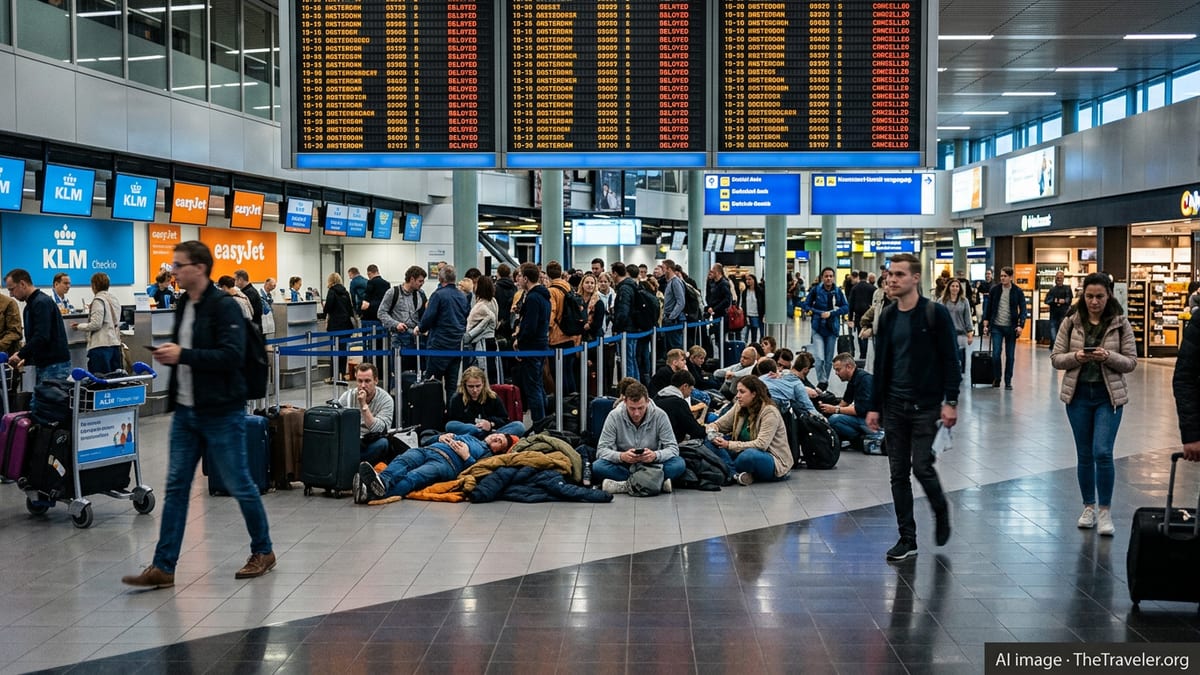
Widespread Delays From Lisbon To Helsinki
According to publicly available operational data and industry reporting for June 23 and June 24, a broad swath of European airspace has been affected by knock-on delays. Reports indicate that more than 1,700 services were delayed and at least 65 were cancelled, hitting both short haul and long haul routes serving business and leisure travelers at the start of the summer peak.
Coverage in European travel media highlights disruptions in countries including Portugal, the United Kingdom, Switzerland, Poland, Sweden and Finland, with additional impacts noted in Italy, Germany, Denmark and the Netherlands. The pattern points to a mix of reactionary delays, weather related constraints and capacity pressures that are compounding across the network rather than a single isolated failure.
Eurocontrol traffic and delay overviews for recent weeks show that hubs such as Zurich, Lisbon and Copenhagen have been particularly exposed to reactionary and weather related delays, which can quickly cascade across connecting banks of flights. Once rotation schedules are knocked off balance, late arriving aircraft and crew tend to propagate delays to subsequent sectors.
Key Airports Reporting Operational Strain
Major European airports including Zurich, Copenhagen, Warsaw and Porto are among the locations where travelers are experiencing the most visible disruption. Live airport information platforms for Warsaw Chopin and Porto show crowded schedules and rolling status changes as airlines adjust departure and arrival times and, in some cases, cancel services outright.
In Zurich, passenger accounts and local reporting over the last several days indicate that arriving flights have frequently been held, diverted or subject to extended tarmac waits before reaching gates. Earlier Eurocontrol updates for the spring period already flagged Zurich as an airport facing episodes of significant reactionary delay, and current operational patterns suggest those pressures have continued into late June.
Copenhagen, another key Nordic hub, has seen multiple recent bouts of disruption linked to strong winds and runway constraints, which have triggered single runway operations and contributed to earlier waves of cancellations and delays. While the latest figures reflect a broader Europe wide issue, Copenhagen’s position as a transfer point for Scandinavia means any local bottlenecks there are quickly felt in Sweden and Finland.
In Southern Europe, Porto and other Portuguese airports remain busy gateways for both intra European and transatlantic traffic. Real time departure boards from Porto on June 24 show a dense schedule of services, with delays affecting a portion of departures and arrivals as airlines work through the wider system imbalance.
Airlines Most Affected Across The Network
The disruption has affected a wide mix of carriers rather than a single airline group. According to travel industry coverage summarizing operational data, LOT Polish Airlines, Virgin Atlantic, Air Baltic and Swiss are among the brands experiencing schedule changes on routes touching Zurich, Copenhagen, Warsaw and Porto, alongside low cost and charter operators.
LOT Polish, which relies heavily on Warsaw Chopin as its primary hub, is particularly exposed when reactionary delays build up across Central and Western Europe. Late arriving aircraft from Western European cities can cause missed connections and re timings on onward flights to Scandinavia, the Baltics and long haul destinations.
Swiss has also been prominent in recent reports of disruption, reflecting Zurich’s role as a central European hub with extensive connections to the United Kingdom, Southern Europe and intercontinental destinations. When Zurich experiences arrival or departure flow restrictions, Swiss and its codeshare partners often have to retime or consolidate services, adding to the count of delayed and cancelled flights.
Air Baltic and Virgin Atlantic, while operating very different networks, have similarly seen knock on effects as delays at major hubs ripple into their own schedules. For passenger facing brands, even a relatively small number of cancellations can translate into lengthy queues at customer service desks and complex rebooking tasks when aircraft are already heavily booked for summer.
What Passengers Are Experiencing On The Ground
Passenger reports from across Europe describe longer than usual waits both in terminals and onboard aircraft. In some cases, travelers have reported being held on planes on the ground for extended periods while awaiting departure slots or available gates, particularly at congested airports such as Zurich and Copenhagen.
Publicly accessible discussions and community forums referencing operations at Zurich over the weekend of June 21 point to multiple delayed arrivals, missed connections and a shortage of available seats on alternative flights. Similar accounts from other hubs describe crowded departure halls, rapidly changing information displays and limited hotel availability near major airports as travelers seek overnight accommodation after missed last flights of the day.
For those already in the air, downstream disruption can mean unplanned diversions or missed connections at transfer points such as Warsaw or Porto. Passengers reaching these hubs late in the evening often find that their onward options are constrained, with rebookings pushed to the following day and baggage deliveries subject to additional delays.
Airlines across the continent are encouraging travelers to check their flight status frequently on the day of travel and to allow extra time at the airport, particularly when traveling through known congestion points. With schedules running tight heading into the peak summer holiday period, even small operational shocks can have outsized effects on passenger journeys.
Summer Outlook And Passenger Rights
Eurocontrol’s most recent network reports show that average delay minutes per flight in Europe have been trending above pre pandemic norms in recent months, driven by a combination of weather, air traffic management constraints and reactionary factors. As traffic levels climb further with the summer holiday rush, industry observers expect the system to remain vulnerable to fresh bouts of large scale disruption.
Passenger advocacy groups and consumer publications are reminding travelers that European regulations provide certain protections when flights are significantly delayed or cancelled for reasons within an airline’s control. Under these rules, eligible travelers may be entitled to care, rerouting and compensation based on flight distance and length of delay, although severe weather and some air traffic restrictions can fall outside the compensable categories.
Travel experts advising through public channels are recommending that passengers build extra buffer time into itineraries that involve tight connections, especially when routing through Zurich, Copenhagen, Warsaw, Porto or other major hubs that are currently experiencing elevated delay levels. Flexible tickets, comprehensive travel insurance and a willingness to consider alternative routings can all help mitigate the risk of severe disruption.
With more busy summer weekends still ahead, operational data and recent events suggest that Europe’s aviation system is likely to face further stress. Travelers planning journeys over the coming weeks are being urged by airlines and airports to monitor information channels closely and to prepare for the possibility of last minute changes to their plans.