


More news on this day
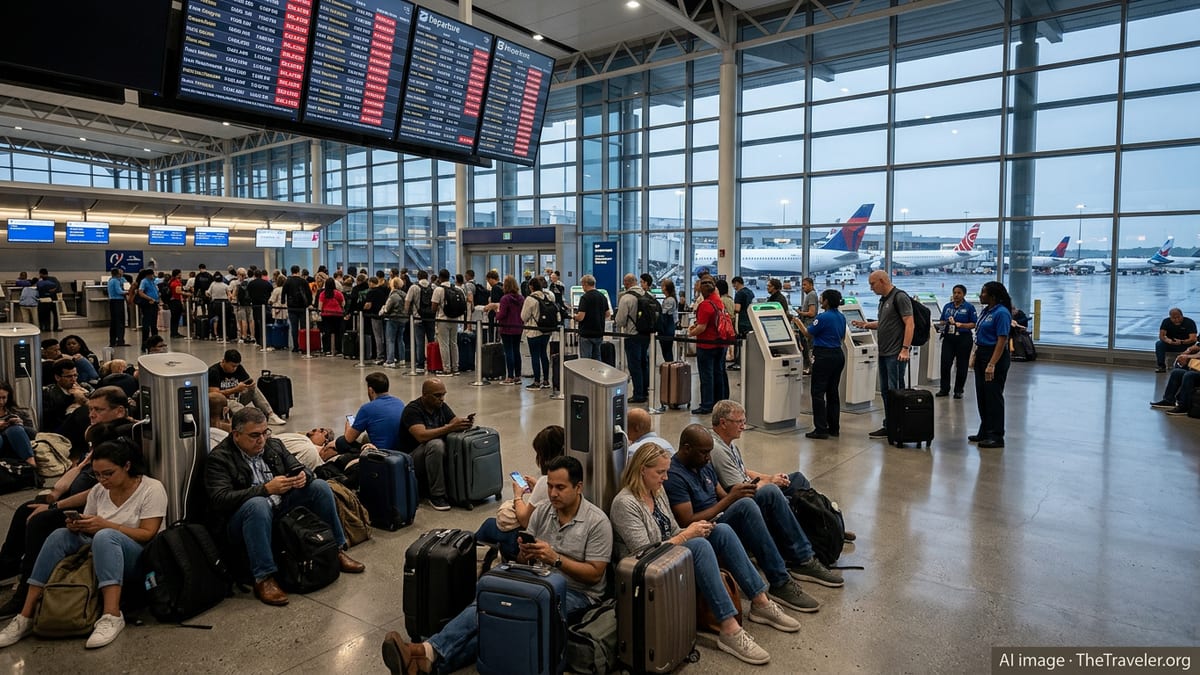
Travelers at San Francisco International Airport faced mounting disruptions on June 24, as real-time tracking showed 213 flights delayed and three canceled, snarling domestic and international operations and leaving terminals crowded with stranded passengers.
Get the latest news straight to your inbox!
Delays Ripple Across Major U.S. Carriers
The wave of disruption at San Francisco International Airport affected a broad cross-section of airlines, including large network carriers and smaller operators. Publicly available tracking boards showed delays stacking up across United Airlines, Alaska Airlines, Delta Air Lines and American Airlines, among others, as schedule pressures built through the day.
United, the largest carrier at the airport, experienced a significant share of the delayed departures and arrivals as congestion spread through Terminal 3 and the International Terminal. Flights to major hubs such as Los Angeles, New York and Honolulu showed late pushbacks and revised arrival times, forcing passengers into protracted waits at gates and customer service counters.
Alaska Airlines, Delta and American Airlines also appeared prominently on delay lists, with multiple departures to West Coast, Midwest and East Coast destinations leaving later than scheduled. Some of these flights remained in holding patterns on the ground while crews and aircraft awaited new departure slots. The three recorded cancellations were spread among carriers, affecting both domestic and longer-haul routes.
Regional and international services were not spared. Connections to popular transpacific and transatlantic gateways departed behind schedule, while short-haul hops up and down the West Coast faced rolling delays as aircraft arrived late from earlier legs.
Weather, Airspace Limits and Runway Rules Combine
Operational data and recent coverage of conditions at San Francisco International Airport point to a combination of weather, airspace management and runway-use rules as key contributors to the latest disruption. Low cloud ceilings and shifting winds frequently force arriving aircraft to adopt more conservative approach procedures, which reduce the number of landings the airport can safely handle each hour.
In addition to the day’s weather pattern, air traffic advisories indicated that flights bound for the airport were being held at their departure points at various times, further compressing schedules once restrictions eased. When multiple delayed flights converge on the airport in a tight window, the result can be crowded taxiways, extended gate holds and a rapid accumulation of late departures.
The current constraints come on top of previously reported federal limits on parallel landings at the airport’s closely spaced runways. That restriction, introduced earlier in the year, has already been linked in public reporting to a sharp increase in average delay times, particularly during busy afternoon and evening banks when arrival and departure flows typically peak.
As those structural limitations intersect with routine coastal weather systems and seasonal traffic growth, the margin for absorbing even minor disturbances has narrowed, leaving the operation more vulnerable to the kind of large-scale delay pattern seen on June 24.
Domestic Hubs and International Gateways Affected
The impact of the disruption extended far beyond the Bay Area, touching major domestic hubs and long-haul routes in both directions. Flights between San Francisco and Los Angeles, one of the busiest city pairs in the United States, showed a string of delays as aircraft cycled late through the route during the day.
Services to the New York area, including John F. Kennedy International Airport and Newark Liberty International Airport, also faced schedule slippage. Passengers on these transcontinental flights experienced boarding holds and late-night arrivals as departures from San Francisco crept back from their original slots.
International routes felt the knock-on effects as well. Eastbound long-haul departures left later than planned, compressing crew duty windows and prompting some aircraft to arrive at overseas destinations closer to local morning rush periods. Westbound arrivals into San Francisco from Asia and Europe encountered gate congestion and runway sequencing challenges, adding further minutes to already lengthy flight times.
With San Francisco serving as a key connection point for travelers heading to destinations across the Pacific and throughout the Americas, delays at the airport can trigger missed connections and last-minute rebookings at outstations around the world.
Travelers Face Crowded Terminals and Changing Plans
Inside the terminals, the operational strain translated into extended lines, busy seating areas and a steady stream of passengers refreshing airline apps for updates. Real-time airport information platforms and airline status tools showed revised departure times updating throughout the day as carriers adjusted to air traffic control programs and gate availability.
Reports from previous disruption days at the airport indicate that travelers often respond by seeking earlier departures, switching to nearby Bay Area airports or altering their trips entirely when prolonged delays appear likely. The pattern on June 24 fit into a broader year in which many passengers have built extra buffer time into itineraries involving San Francisco, particularly during afternoon and evening travel windows.
Families beginning vacations, business travelers on tight schedules and international visitors facing customs and onward connections all confronted the same uncertainty. Some opted to remain in the gate areas to stay close to boarding calls, while others moved between concourses on the AirTrain in search of quieter spaces and additional seating.
The congestion highlighted the importance of flexible ticketing policies and digital communication tools, as passengers weighed options such as same-day flight changes, standby lists and rerouting through alternative hubs to reach final destinations.
What the Disruption Signals for Summer Travel
The June 24 delays at San Francisco International Airport arrive at the outset of the peak summer travel season, when passenger volumes typically climb and schedule networks run near full capacity. The scale of the disruption underscores how sensitive operations have become to a mix of local weather and structural airspace constraints in the Bay Area.
Recent public documents and airport briefings have already flagged an upward trend in delay metrics tied to runway and airspace changes. The latest episode provides a fresh example of how those underlying factors can evolve into headline-grabbing disruptions when layered onto a busy travel day.
For airlines, repeated days of heavy delays can increase costs and strain crew scheduling, aircraft utilization and customer service resources. Carriers may respond by adjusting departure banks, building longer scheduled block times into certain routes, or shifting some flying to off-peak hours in an effort to improve on-time performance.
For travelers planning upcoming trips through San Francisco, the situation reinforces the value of monitoring flight status early and often, considering longer connection times, and preparing for the possibility of last-minute gate or schedule changes at one of the West Coast’s busiest international gateways.